Is your car feeling a bit off when you drive? Maybe it’s bouncing too much or making strange noises over bumps.
These could be signs that your suspension needs a check. Knowing how to check the suspension on your car can save you from costly repairs and keep your ride smooth and safe. You’ll discover simple steps to inspect your suspension like a pro—even if you’re not a mechanic.
Keep reading, and you’ll gain the confidence to spot problems early and protect your car’s performance.
Signs Of Suspension Problems
Noticing signs of suspension problems early can save you from costly repairs and keep your car safe on the road. Suspension issues affect how your vehicle handles and feels while driving, so staying alert to these signals is crucial.
Unusual Noises
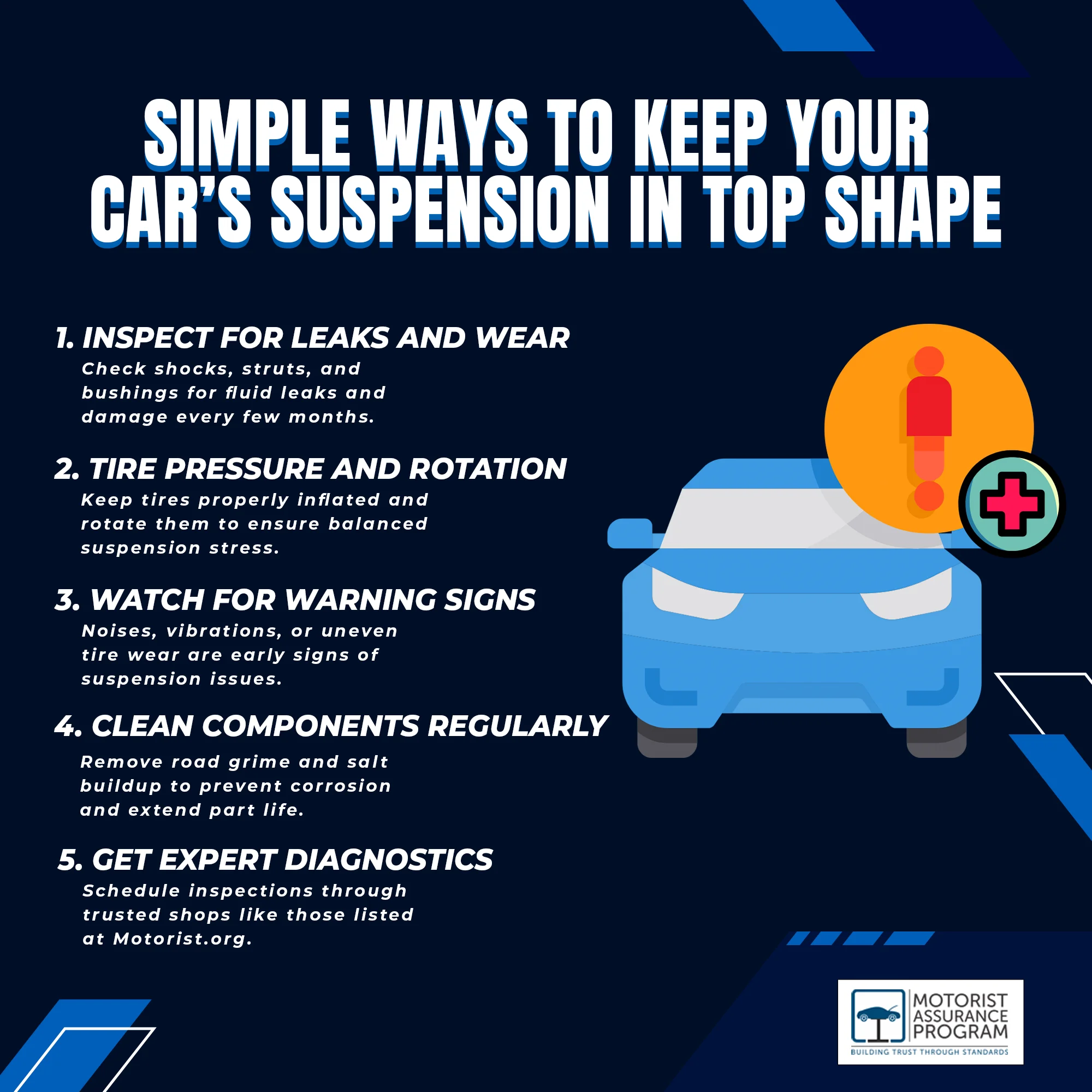
Have you heard clunking or banging sounds when driving over bumps? These noises often indicate worn-out or damaged suspension parts like shock absorbers or bushings. If your car sounds like it’s rattling more than usual, don’t ignore it—those sounds mean your suspension needs checking.
Uneven Tire Wear
Look closely at your tires. Are some areas more worn than others? Uneven tire wear usually points to suspension problems affecting wheel alignment. This uneven wear can cause your tires to wear out faster, making your rides less smooth and less safe.
Poor Handling
Do you feel your car swaying or pulling to one side during turns? Poor handling, including excessive bouncing or instability, is a clear sign your suspension isn’t doing its job. If your steering feels loose or your car dips forward when braking, it’s time to have your suspension checked.
Credit: www.mbloveland.com
Basic Suspension Check
Checking your car’s suspension is important for safety and comfort. A basic suspension check helps spot issues early. You can do simple tests at home without special tools. These checks save money and avoid bigger problems later.
Visual Inspection
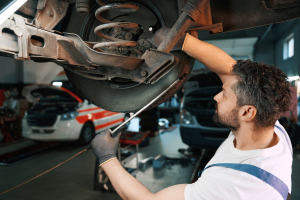
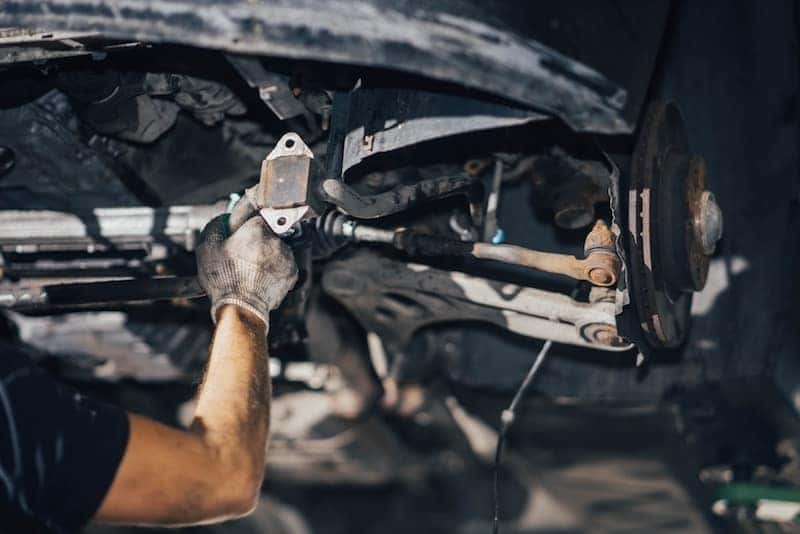
Start by looking closely at the suspension parts. Check the shocks and struts for dents or cracks. Look at the springs for breaks or rust. Inspect bushings and mounts for wear or damage. Make sure no parts are loose or missing. A flashlight helps to see hard spots clearly.
Bounce Test
Press down hard on one corner of the car. Let go and watch how it moves. The car should bounce up and settle quickly. If it keeps bouncing, the shocks or struts may be bad. Try this on all four corners. Uneven bouncing shows uneven suspension wear.
Check For Leaks
Look under the car for fluid leaks near suspension parts. Oil or fluid near shocks means a leak. Leaking shocks cannot absorb bumps properly. Check around seals and joints for wet spots. Leaks can cause poor ride quality and damage other parts.
When To Visit A Mechanic
Knowing when to visit a mechanic for your car’s suspension can save you from costly repairs and ensure your safety on the road. Sometimes, minor issues might seem manageable, but certain signs indicate that professional help is necessary. Paying attention to these warning signals will help you decide the right time to get expert suspension care.
Persistent Symptoms
If you notice that your car continues to bounce excessively after hitting a bump, it’s a clear sign the suspension isn’t working properly. Unusual noises like clunks or squeaks while driving over uneven roads shouldn’t be ignored either.
Also, if your vehicle pulls to one side or the steering feels loose, these symptoms often point to suspension problems. Have you been pushing through these issues hoping they’ll fix themselves? Persistent symptoms mean it’s time to stop guessing and see a mechanic.
Professional Suspension Testing
Mechanics use specialized tools to check your suspension system’s condition thoroughly. They might perform a “bounce test” or use diagnostic machines that measure shock absorber performance and spring tension.
These tests reveal hidden problems you might not notice while driving. Would you want to guess your suspension’s health, or rely on precise testing? The difference can impact your vehicle’s handling and safety.
Repair And Replacement Options
Once the mechanic diagnoses the issue, they’ll explain the best repair or replacement options. This could range from replacing worn shock absorbers to fixing broken springs or ball joints.
Sometimes, simple repairs can restore your suspension’s function, but other times full replacement is necessary to maintain safety and comfort. Don’t wait until a small problem becomes a major repair bill—getting professional advice early can save money and stress.

Credit: www.youtube.com
Credit: motorist.org
Frequently Asked Questions
How Do I Test Car Suspension At Home?
To test car suspension, press down on each corner of the car. If it bounces more than twice, the suspension may be worn. Listen for unusual noises while driving over bumps, and visually inspect shock absorbers for leaks or damage.
This helps identify suspension issues early.
What Are Signs Of Bad Car Suspension?
Signs include excessive bouncing, uneven tire wear, pulling to one side, and unusual noises. You may also feel poor handling or a rough ride. Noticing these symptoms means your suspension system might need inspection or repair to maintain vehicle safety and comfort.
Why Is Suspension Check Important For My Car?
Suspension ensures a smooth, stable ride and controls vehicle handling. Regular checks prevent costly repairs and improve safety by maintaining tire contact with the road. It also enhances braking efficiency and overall driving comfort, making suspension maintenance essential for car performance.
How Often Should Car Suspension Be Inspected?
Suspension should be inspected at least once a year or every 12,000 miles. Also, check it after hitting large potholes or rough terrain. Regular inspections help detect wear early and ensure your vehicle remains safe and comfortable to drive.
Conclusion
Checking your car’s suspension helps keep your ride safe and smooth. Watch for signs like uneven tire wear or strange noises. Test by pushing down on each corner and feeling the bounce. Regular checks catch problems early and save money.
Don’t wait until the car feels off or unsafe. Simple steps can protect your vehicle and your passengers. Stay alert and maintain your suspension for better driving comfort and control.