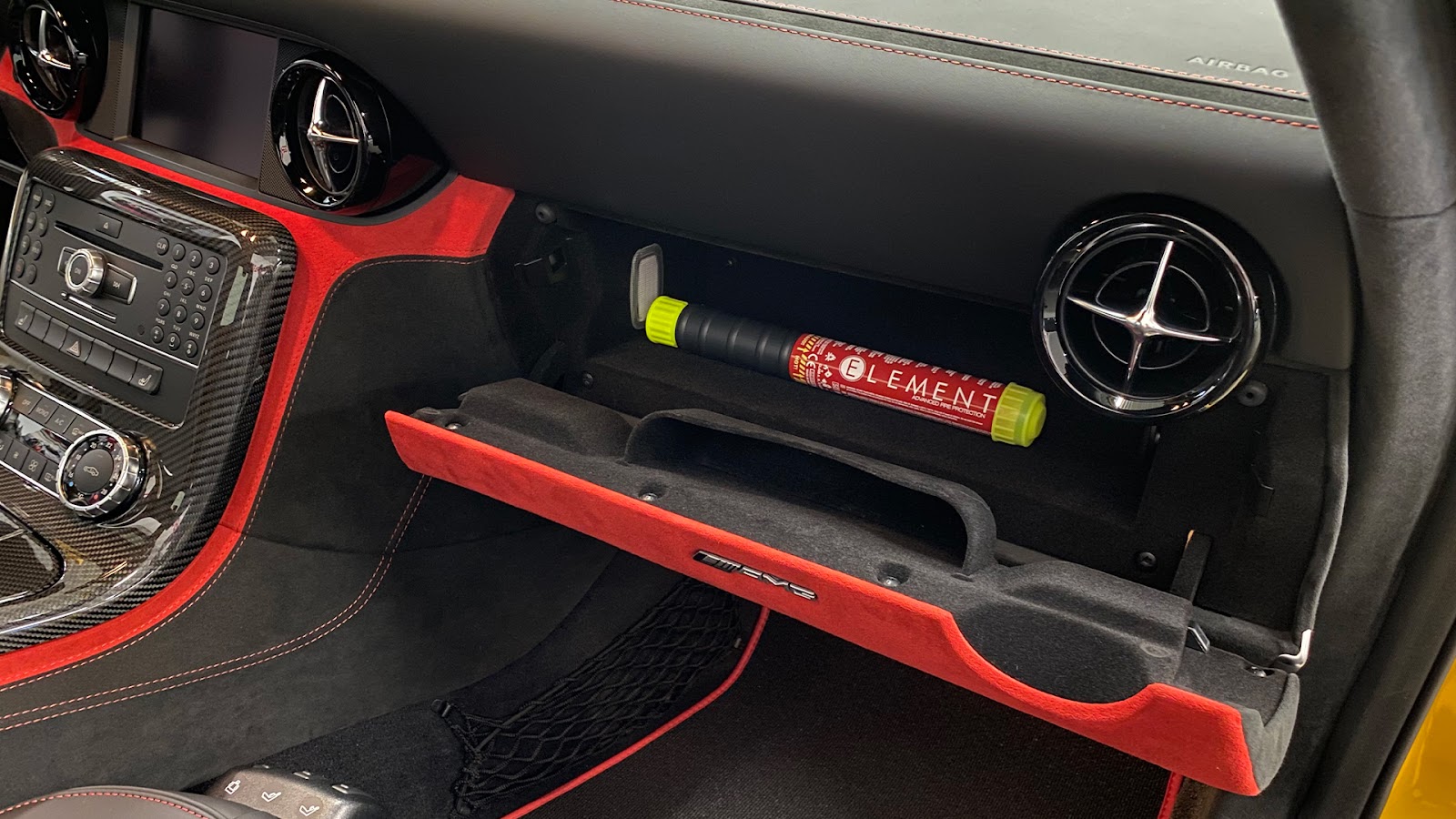
Have you ever wondered if keeping a fire extinguisher in your car is really safe? You might think it’s a smart idea for emergencies, but there are important things you need to know before you decide.
Your safety and the safety of those around you could depend on it. You’ll discover the truth about car fire extinguishers—how they work, what risks they might bring, and the best ways to keep them without putting yourself in danger.
Keep reading to find out if having a fire extinguisher in your car is the right choice for you.

Credit: elementfire.com
Types Of Car Fire Extinguishers
Choosing the right fire extinguisher for your car is important. Different types work better on different fires. Knowing the types helps you pick the safest option for your vehicle. Here are the common types of car fire extinguishers.
Dry Chemical Extinguishers
Dry chemical extinguishers use a powder to stop fires. They work on gasoline, oil, and electrical fires. These extinguishers are popular for cars because they handle many fire types. The powder can leave a mess but is effective and quick.
Co2 Extinguishers
CO2 extinguishers release carbon dioxide gas to put out flames. They remove oxygen that fire needs to burn. These are clean and leave no residue. CO2 types are good for electrical fires but less effective on fuel fires.
Foam Extinguishers
Foam extinguishers cover the fire with a thick layer to cool it down. They work well on liquid fires like gasoline. Foam stops the fire from spreading but may not be best for electrical fires. These are less common for cars but still useful.
Safety Precautions For Storing
Storing a fire extinguisher in your car is a smart safety move, but it requires careful attention to how and where you keep it. Without the right precautions, the extinguisher might not work when you need it most or could even become a hazard itself. Paying attention to mounting, temperature, and maintenance ensures your extinguisher is ready for action.
Proper Mounting And Accessibility
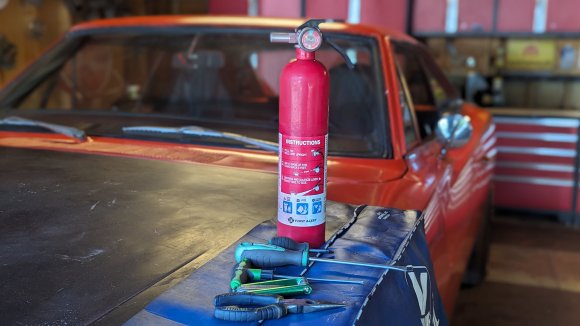
Your fire extinguisher should be securely mounted to prevent it from rolling around or becoming a projectile during sudden stops. Choose a spot that’s easy to reach quickly, like near the driver’s seat or inside the glove compartment, but make sure it doesn’t block access to controls or emergency tools.
Imagine trying to grab an extinguisher that’s buried under bags or loose in the trunk during a fire—would you be able to act fast enough? Easy accessibility could make all the difference.
Temperature And Pressure Considerations
Cars can experience extreme temperatures, from freezing cold to scorching heat. These fluctuations can affect the pressure inside the extinguisher, potentially causing it to malfunction or even rupture.
Check the extinguisher’s label for recommended storage temperatures. Avoid placing it in direct sunlight or near heat sources like the engine or heater vents. A temperature-controlled spot inside the car is best to maintain consistent pressure.
Regular Maintenance Checks
Just storing an extinguisher isn’t enough—you need to inspect it regularly. Check the pressure gauge monthly to ensure it’s in the green zone, and look for any signs of damage or corrosion on the cylinder.
Have you ever ignored a simple check only to find your safety device useless in an emergency? Testing the pull pin and hose for blockages is also essential. Replace or service the extinguisher immediately if you spot any issues.
Using Extinguishers During Emergencies
Using a fire extinguisher during a car emergency can save lives and limit damage. Knowing the right moment and method to use it is critical. Quick and calm actions help control small fires before they spread.
When To Use A Fire Extinguisher
Use a fire extinguisher only if the fire is small and manageable. It must be safe to approach the fire without risking harm. If the fire is too large or smoke is heavy, leave immediately. Always call emergency services first. Use the extinguisher for fires caused by fuel, electrical faults, or small engine fires.
Step-by-step Usage Guide
- Pull the safety pin to unlock the extinguisher.
- Aim the nozzle at the fire’s base, not the flames.
- Squeeze the handle to release the extinguishing agent.
- Sweep the nozzle side to side across the fire’s base.
- Keep spraying until the fire is out or the extinguisher is empty.
Always stand back a few feet while using it. Move closer only if the fire shrinks. After use, watch the area for any signs of re-ignition.
Avoiding Common Mistakes
- Do not use on large fires beyond your control.
- Never turn your back on the fire.
- Avoid inhaling smoke or fumes while using the extinguisher.
- Do not hold the extinguisher too close to the fire.
- Ensure the extinguisher is regularly checked and fully charged.
These steps keep you and others safer during emergencies. Fire extinguishers in cars are useful only with proper knowledge and care.

Credit: www.usatoday.com
Credit: www.thedrive.com
Frequently Asked Questions
Are Fire Extinguishers Effective In Car Emergencies?
Yes, fire extinguishers can quickly control small car fires. They reduce damage and improve safety when used promptly and correctly.
What Type Of Fire Extinguisher Suits A Car?
A Class B or multipurpose ABC extinguisher is best. It handles fuel, electrical, and common fires found in vehicles.
How Should I Store A Fire Extinguisher In My Car?
Store it securely within easy reach, like under a seat or in the trunk. Avoid extreme heat or direct sunlight exposure.
Are Fire Extinguishers Safe To Keep Inside Cars?
Yes, modern extinguishers are safe if properly maintained. Regular checks ensure they remain effective and ready during emergencies.
Conclusion
Keeping a fire extinguisher in your car can save lives and property. It offers quick action during small fires before they grow. Choose the right type, and check it often for safety. Store it where you can reach it fast in an emergency.
Knowing how to use it is just as important. A fire extinguisher adds an extra layer of protection on the road. Stay prepared, stay safe, and drive with peace of mind.