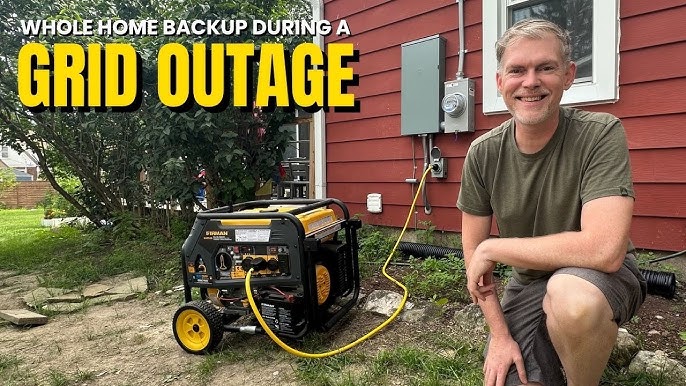
Power outages can happen without warning, leaving you in the dark and disrupting your daily life. You might have a portable generator ready, but do you know how to connect it safely and effectively to your house?
Getting this right is crucial—not just for keeping your lights on, but also for protecting your home and ensuring your family’s safety. In this guide, you’ll learn simple, step-by-step instructions to hook up your portable generator like a pro. Keep reading to avoid costly mistakes and stay powered up when you need it most.
Credit: www.powerequipmentforum.com
Choosing The Right Generator
Choosing the right portable generator is crucial for ensuring your home stays powered during an outage without risking damage or danger. The generator you pick must match your energy needs, the type of devices you want to run, and include essential safety features. Understanding these factors helps you avoid common pitfalls and keeps your home safe and functional when power goes out.
Power Requirements For Home Use
Start by calculating how much power you really need. Add up the wattage of essential appliances like your refrigerator, lights, and sump pump. Don’t forget to include the starting watts for devices with motors—they require more power at startup than while running.
Think about your priorities. Do you want to power your entire home or just a few critical items? A generator that’s too small will overload and shut down, while one that’s too large can waste fuel and cost more upfront.
Types Of Portable Generators
There are mainly two types: conventional and inverter generators. Conventional models are often less expensive and provide steady power but tend to be noisier and heavier. Inverter generators produce cleaner power, which is safer for sensitive electronics like laptops and smartphones.
Your choice depends on your lifestyle. If you want something quiet for camping or working at home, an inverter generator is ideal. For heavy-duty backup power, a conventional model might be better. Consider portability too—do you need wheels or a compact size?
Safety Features To Look For
Safety can’t be an afterthought. Look for generators with automatic shut-off features that activate when oil levels are low or the unit overheats. This prevents damage and fire hazards.
Carbon monoxide (CO) is a silent killer. A generator with built-in CO detectors that shut the unit off if dangerous levels are detected adds a vital layer of protection. Also, make sure the generator has proper grounding options and circuit breakers to prevent electrical shocks.

Credit: truegear.com.au
Preparing Your Home For Connection
Preparing your home for connection to a portable generator is a crucial step that ensures safety and efficiency. Before you plug in your generator, you need to set up the right equipment and make sure your home’s electrical system is ready to handle the power source. Skipping this preparation can lead to dangerous backfeeds or damage to your electrical devices.
Selecting The Proper Transfer Switch
A transfer switch acts as a bridge between your generator and your home’s electrical panel. It prevents electricity from flowing back into the grid, which can harm utility workers and damage your generator. Choose a transfer switch that matches your generator’s power output and your home’s electrical load to avoid overloading.
Think about how many appliances you want to power during an outage. A manual transfer switch is common and cost-effective, but an automatic transfer switch provides seamless power transfer without manual intervention. What level of convenience do you want during an emergency?
Setting Up A Generator Power Inlet Box
The power inlet box is the safe entry point for your generator’s power into your home. It should be installed on an exterior wall, close to where you’ll position your generator. This setup keeps the generator outside, reducing carbon monoxide risks inside your home.
Make sure the inlet box is weatherproof and compatible with your generator’s plug type. It’s a good idea to position it where the generator’s power cord can reach easily without stretching or creating tripping hazards. Have you checked how far your generator will be from your house?
Essential Tools And Materials
Having the right tools and materials ready saves time and prevents frustration during installation. Common essentials include:
- Screwdrivers and wire strippers
- Voltage tester
- Appropriate gauge electrical wire
- Mounting screws and anchors
- Conduit and fittings for wiring protection
Safety gear such as insulated gloves and safety glasses is equally important. Do you have everything on hand before starting to avoid interruptions?
Connecting And Operating Safely
Connecting and operating a portable generator to your house needs careful steps and safety. Improper use can cause serious harm or damage. Follow clear instructions to keep your home and family safe. Always respect electrical codes and local rules.
Step-by-step Connection Process
- Turn off all main power switches in your home.
- Place the generator outside, far from windows and doors.
- Use a heavy-duty extension cord rated for outdoor use.
- Connect the extension cord from the generator to your house inlet or transfer switch.
- Start the generator and let it run for a few minutes.
- Turn on the main power switch to supply electricity to the house.
- Check that essential appliances are running properly.
Avoiding Common Hazards
- Never plug the generator directly into a wall outlet.
- Keep the generator dry and on a flat surface.
- Use carbon monoxide detectors inside your home.
- Do not overload the generator with too many devices.
- Keep children and pets away from the generator.
- Turn off the generator before refueling it.
- Store fuel in approved containers and away from heat.
Maintaining And Testing Your Setup
- Run the generator monthly for 10 to 15 minutes.
- Check oil and fuel levels before each use.
- Inspect cords and connections for damage or wear.
- Clean or replace air filters regularly.
- Test carbon monoxide alarms often to ensure they work.
- Practice connecting and disconnecting the generator safely.
- Keep a maintenance log to track service dates and repairs.

Credit: www.renogy.com
Frequently Asked Questions
How Do I Safely Connect A Portable Generator To My House?
Use a transfer switch to connect your generator safely. Turn off the main breaker before hooking up. Avoid backfeeding to protect utility workers and your equipment. Follow manufacturer instructions and local electrical codes for proper setup.
What Equipment Is Needed To Hook Up A Portable Generator?
You need a transfer switch, generator power inlet box, and proper extension cords. A transfer switch isolates your home’s wiring from the grid. This setup ensures safe power distribution and prevents electrical hazards during outages.
Can I Connect A Portable Generator Directly To My Home’s Wiring?
No, direct connection is dangerous and illegal. Always use a transfer switch or manual interlock kit. This prevents backfeeding, protecting utility workers and your electrical system from damage or injury.
How Much Power Can A Portable Generator Supply To My House?
Portable generators typically supply 3,000 to 7,500 watts. This power supports essential appliances like refrigerators, lights, and fans. Check your generator’s wattage rating and your home’s power needs before connecting.
Conclusion
Connecting a portable generator to your house requires care and safety. Always follow the steps to avoid risks. Use the right tools and check your generator’s power limits. Turn off the main power before starting the hookup. Test the connection carefully before using your appliances.
This helps keep your home safe and powered during outages. Stay prepared and keep your generator maintained. Power backup made simple and safe.