Have you ever noticed a high-pitched squeak every time you press your car’s brakes? That annoying noise can catch you off guard and make you wonder if something is wrong.
You might worry about your safety or the cost of repairs. Understanding why your brakes squeak is the first step to solving the problem and driving with confidence. Keep reading to discover the common reasons behind that squeaky sound and what you can do to fix it before it turns into a bigger issue.
Common Causes Of Brake Squeaking
Brake squeaking is a common issue that many drivers notice. It often signals a problem with the braking system. Understanding the common causes helps you take action quickly. Here are some frequent reasons brakes squeak.
Worn Brake Pads
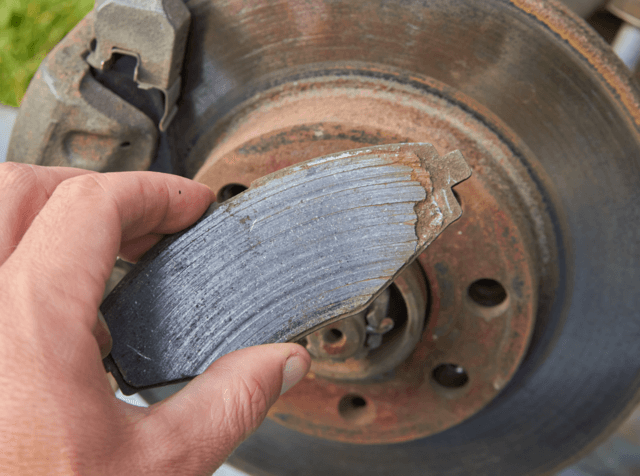
Brake pads wear down over time due to constant friction. Thin or worn pads can cause a high-pitched squeak. This noise warns you that pads need replacing soon. Ignoring worn pads can damage other brake parts.
Glazed Rotors
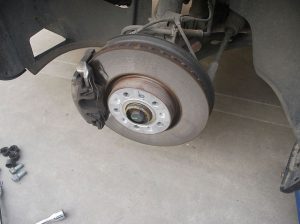
Rotors can become glazed from excess heat or hard braking. This creates a smooth, shiny surface that reduces friction. Glazed rotors often cause squeaking or squealing sounds. They also reduce braking performance and safety.
Loose Brake Components
Loose parts inside the brake system can vibrate and create noise. This includes clips, calipers, or screws that are not tight. Loose components cause uneven brake pad contact and squeaking sounds. Regular checks can prevent this problem.

Credit: www.youtube.com
Environmental And Usage Factors
Environmental and usage factors often cause brake squeaking. These factors affect the brake parts and how they work. Understanding these can help reduce or stop the noise.
Moisture And Rust
Moisture from rain or dew can settle on brake parts. It causes a thin layer of rust to form on the rotors. This rust leads to a squeaking sound when brakes apply. The noise usually stops after driving a short distance. The heat from braking cleans the rust off the rotors.
Driving Habits
Aggressive braking can cause brakes to wear out faster. Hard stops create more heat and friction. This can make brake pads and rotors squeak. On the other hand, gentle braking keeps parts cooler and lasts longer. Frequent short stops may also increase brake noise.
Brake Dust Accumulation
Brake pads create dust as they wear down. Dust builds up between the pad and rotor. This dust can cause a high-pitched squeak when brakes apply. Cleaning brake dust regularly helps reduce noise. Brake dust can also make brakes less effective if ignored.
Preventive Measures And Solutions
Preventing brake squeak improves driving comfort and safety. Simple steps can reduce noise and extend brake life. These solutions help keep brakes quiet and efficient.
Regular Maintenance
Check brake pads and rotors often. Worn pads cause noise and reduce stopping power. Replace pads before they wear out completely. Inspect rotors for grooves or damage. Clean brake components to remove dust and debris. Regular checks catch problems early.
Proper Brake Pad Selection
Choose brake pads that suit your car and driving style. Some pads make more noise than others. Ceramic pads produce less noise and dust. Semi-metallic pads are louder but last longer. Avoid cheap pads with low-quality materials. Quality pads reduce squeaking and improve safety.
Lubrication And Cleaning Tips
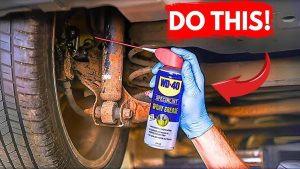
Apply brake grease to pad contact points. This reduces friction and stops squeaks. Clean calipers and slides regularly to prevent sticking. Avoid using too much grease near braking surfaces. Use brake cleaner spray to remove dirt and grime. Proper lubrication keeps brakes moving smoothly.

Credit: www.crcindustries.com
Credit: masterauto.tech
Frequently Asked Questions
Why Do Car Brakes Make Squeaking Noises?
Car brakes squeak mainly due to worn brake pads, dirt buildup, or lack of lubrication. This noise signals the need for inspection or maintenance to ensure safe braking performance.
Can Wet Weather Cause Brake Squeaking?
Yes, wet weather can cause temporary brake squeaking. Moisture on brake components creates a thin rust layer or causes pads to stick, leading to noise that usually stops after driving a short distance.
Is Brake Squeaking A Sign Of Brake Failure?
Brake squeaking is not always a sign of failure but should not be ignored. Persistent noise may indicate worn pads or other issues needing prompt attention to avoid brake damage.
How Can I Stop My Brakes From Squeaking?
To stop brake squeaking, clean the brake components, apply anti-squeal lubricant, or replace worn pads. Regular maintenance helps prevent noise and ensures effective braking.
Conclusion
Brake squeaks often signal a need for care or repair. Ignoring the noise can lead to bigger issues. Regular brake checks keep your car safe and smooth. Clean, replace, or adjust parts when needed. Quiet brakes improve your driving experience and safety.
Stay alert to sounds your car makes. Taking action early saves money and stress later. Keep your brakes in good shape for peace of mind.