Have you ever felt your car shake or vibrate when you press the brake pedal? It’s not just annoying—it could be a warning sign that something’s wrong with your vehicle.
You might wonder if it’s safe to keep driving or if the problem will get worse over time. Understanding why your car vibrates when you brake can help you avoid costly repairs and keep you safe on the road. Keep reading to discover the common causes and what you can do to fix this unsettling issue.
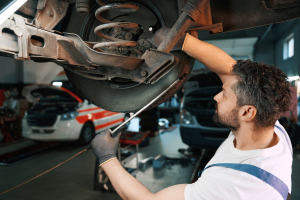
Credit: www.auctiondirectusa.com
Common Brake System Issues
Feeling your car shake or vibrate when you hit the brakes can be unsettling. Often, this vibration signals a problem within your brake system. Understanding the common issues can help you spot trouble early and keep your rides smooth and safe.
Worn Brake Pads
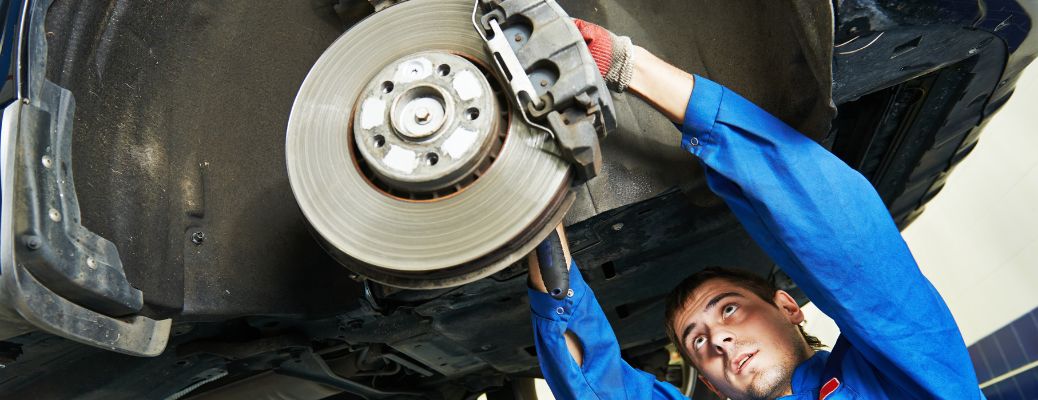
Brake pads wear down over time, especially if you drive frequently in stop-and-go traffic. When they get too thin, they can’t grip the rotors properly, causing vibrations when braking. Have you checked your brake pads recently? If you hear squealing noises or feel a pulsation in the brake pedal, worn pads might be the cause.
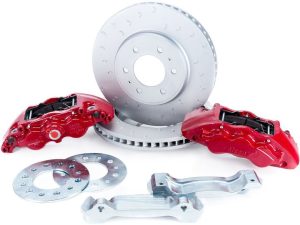
Warped Brake Rotors
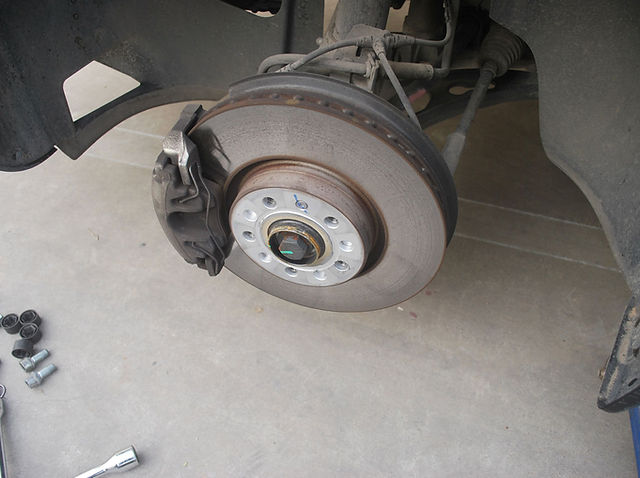
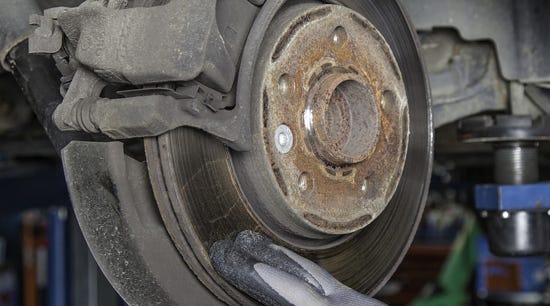
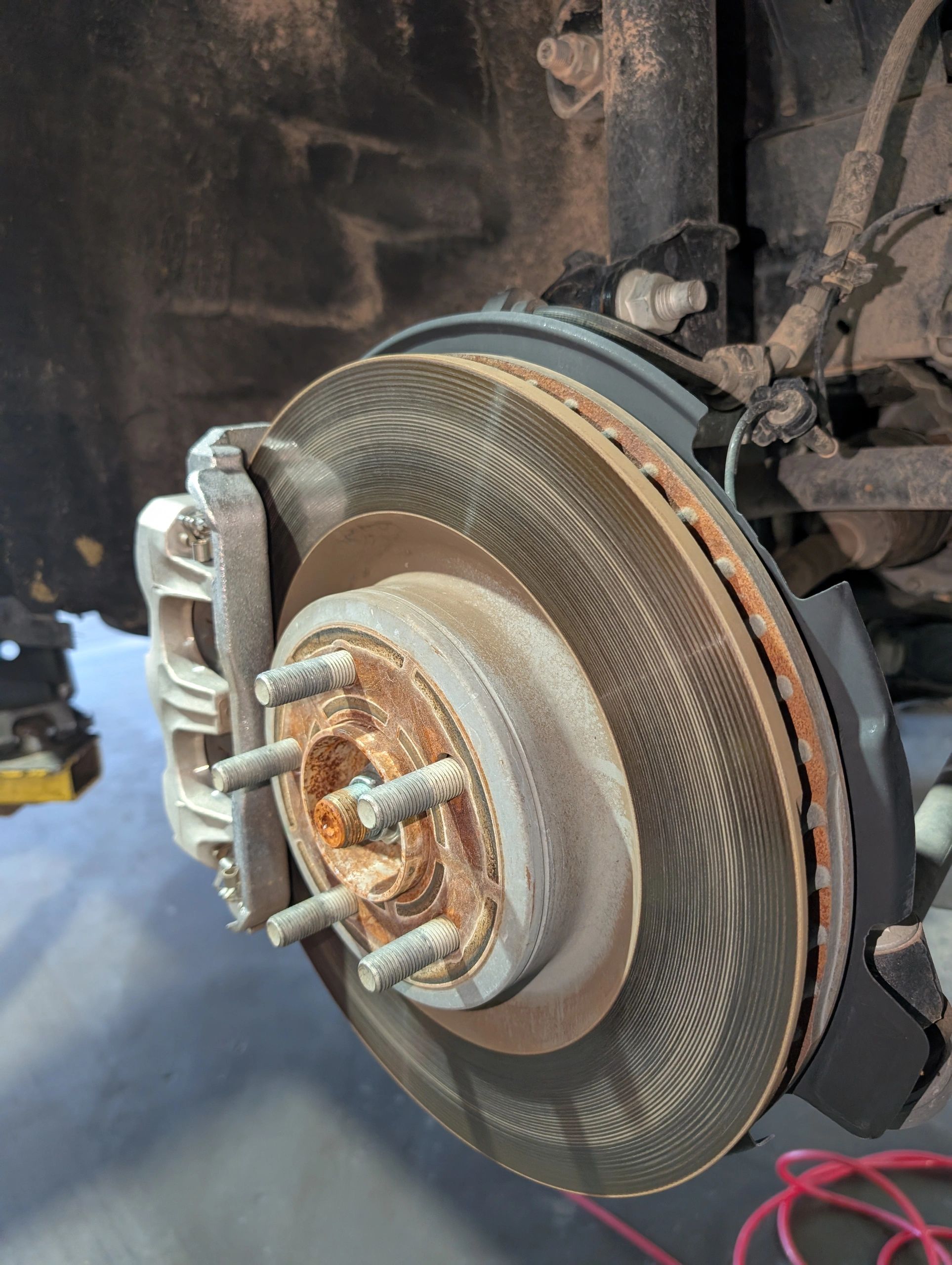
Warped rotors often cause a noticeable shaking sensation during braking. This warping usually happens from excessive heat buildup, like during sudden stops or long downhill drives. Imagine driving on a rough road and then feeling that wobble when you slow down—that’s a classic sign of rotor issues.
Loose Brake Components
Sometimes, the problem isn’t the pads or rotors but loose parts in the brake system. Components like calipers, bolts, or suspension parts can loosen over time, leading to vibration. Have you ever tried tightening something yourself to stop a rattle? With brakes, though, it’s best to have a professional check for loose components before they cause bigger problems.
Tire And Wheel Problems
Tire and wheel problems often cause vibrations during braking. These issues affect your vehicle’s safety and driving comfort. Understanding common tire and wheel problems helps identify the cause of shaking. Below are some key problems to check.
Imbalanced Tires
Imbalanced tires cause uneven rotation. This creates vibrations felt in the steering wheel or brake pedal. Tires lose balance due to wear or missing wheel weights. Balancing tires restores smooth rotation. This reduces shaking while braking or driving.
Damaged Wheel Bearings
Wheel bearings allow wheels to spin smoothly. Damaged bearings cause noise and vibration. You may feel a wobble or shaking when braking. Bearings wear out over time or from rough roads. Replacing worn bearings stops the vibration and improves safety.
Tire Wear Patterns
Uneven tire wear creates vibration during braking. Common patterns include cupping, feathering, or bald spots. These wear signs indicate alignment or suspension problems. Inspect tires regularly for unusual wear. Replacing worn tires ensures a smooth, vibration-free drive.
Suspension And Alignment Factors
Suspension and alignment play a crucial role in your car’s braking performance. If your vehicle vibrates when you brake, these factors might be the hidden culprits. Understanding how misaligned wheels, worn suspension parts, and steering system issues contribute can help you spot the problem early and avoid costly repairs.
Misaligned Wheels
Misaligned wheels can cause uneven tire wear and affect how your car grips the road. When you brake, the uneven contact between tires and pavement can create vibrations that shake the steering wheel or the entire car.
Have you ever noticed your car pulling to one side when braking? This often points to alignment issues. Getting a professional wheel alignment can improve your car’s stability and reduce vibrations during braking.
Worn Suspension Parts
Your suspension absorbs shocks and keeps the car steady. Over time, parts like shocks, struts, and bushings wear out. This wear can cause your car to bounce or vibrate when you hit the brakes.
Think about how your car feels over bumps—if it feels loose or overly bouncy, worn suspension parts might be the reason behind your brake vibrations. Replacing these components can restore smoothness and control.
Steering System Issues
The steering system connects your hands to the wheels, and any problems here can affect braking feel. Loose or damaged steering components might cause vibrations that become especially noticeable when you brake.
Does your steering wheel shake or feel loose during braking? This could signal worn tie rods or a failing steering rack. Addressing steering issues promptly ensures safer handling and minimizes brake-related vibrations.
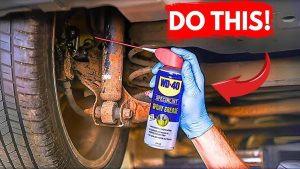
Credit: medium.com
Credit: higleyfamilyautocare.com
Frequently Asked Questions
Why Does My Car Vibrate When Braking Suddenly?
Car vibration during sudden braking often indicates warped brake rotors. Warped rotors cause uneven contact with brake pads, leading to shaking. It’s important to inspect and resurface or replace the rotors to restore smooth braking and ensure safety.
Can Worn Brake Pads Cause Car Vibrations?
Yes, worn brake pads can cause vibrations. When pads wear unevenly, they create inconsistent pressure on the rotors. This imbalance leads to shaking or pulsation in the steering wheel or brake pedal during braking.
How Does Wheel Alignment Affect Brake Vibrations?
Poor wheel alignment can cause uneven tire wear, which leads to vibrations when braking. Misaligned wheels do not make proper contact with the road, resulting in shaking that feels more pronounced during braking.
Is Tire Imbalance Responsible For Brake Vibrations?
Tire imbalance can cause vibrations, especially at higher speeds. While it may not directly relate to braking, uneven tire weight distribution can cause shaking that worsens when you apply brakes.
Conclusion
Car vibrations when braking are not normal and need attention. Worn brake parts or uneven rotors often cause this issue. Ignoring the problem can lead to bigger, costly repairs. Regular brake checks keep your car safe and smooth. Fixing vibrations early helps you avoid accidents.
Always listen to your car’s signals for a better drive. Don’t wait—get your brakes inspected by a professional soon. Safe driving starts with a car that stops right.