
Have you ever wondered what happens to the fumes your car produces? Understanding how a car exhaust system works can change the way you think about your vehicle’s performance and the environment.
Your exhaust system does much more than just push out smoke—it controls harmful gases, reduces noise, and even boosts engine power. By learning how this system functions, you’ll gain valuable insights that can help you maintain your car better and keep it running smoothly.
Keep reading to discover the simple yet fascinating process behind your car’s exhaust system.
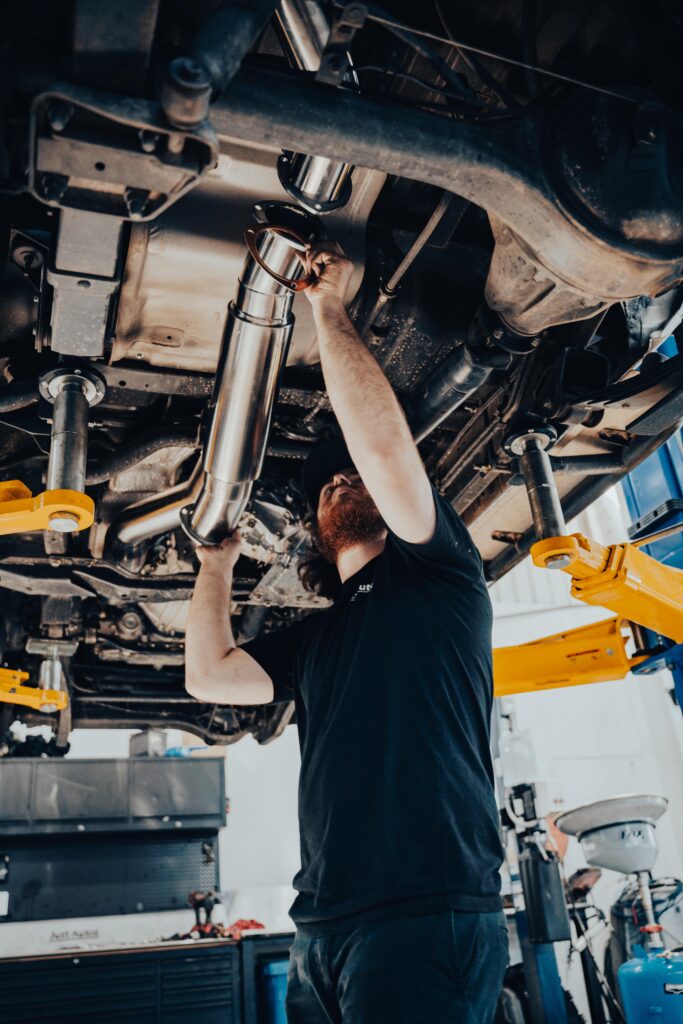
Credit: www.justdieselperformance.com.au
Exhaust System Components
The car exhaust system has several key parts. Each part plays a special role. Together, they remove harmful gases from the engine. They also reduce noise and pollution. Understanding these parts helps you know how your car stays safe and clean.
Manifold And Headers
The manifold collects exhaust gases from the engine cylinders. It directs these gases into one pipe. Headers work like manifolds but improve gas flow. They help the engine breathe better. This can boost performance and fuel efficiency.
Catalytic Converter
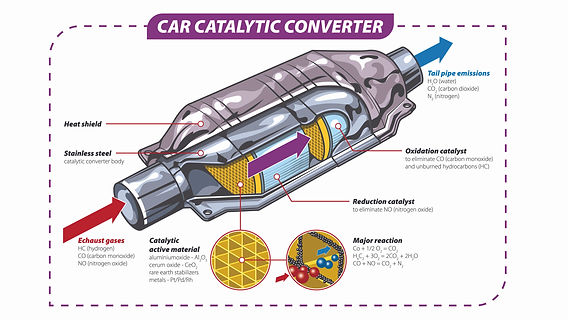
The catalytic converter cleans the exhaust gases. It changes harmful chemicals into less dangerous ones. It uses a special catalyst inside, usually made of metals. This part helps reduce air pollution. It is important for meeting emission standards.
Muffler And Resonator
The muffler lowers the noise from exhaust gases. It uses chambers and tubes to absorb sound. The resonator works with the muffler. It removes certain sound frequencies. Together, they make the car quieter and more pleasant to hear.
Tailpipe
The tailpipe is the last part of the exhaust system. It releases the cleaned exhaust gases into the air. Tailpipes come in many shapes and sizes. Some add style to the car’s look. They must be strong to handle hot gases safely.

Credit: adelaideexhaustcentre.com.au
Exhaust Flow And Emission Control
The exhaust flow and emission control system plays a key role in a car’s performance. It moves harmful gases safely out of the engine. It also reduces pollution released into the air. Understanding how this system works helps you appreciate its design and importance.
Gas Flow Path
Exhaust gases start from the engine’s combustion chamber. They travel through the exhaust manifold, collecting gases from each cylinder. Then, gases move to the catalytic converter. This device treats the gases before they exit the tailpipe. Finally, gases pass through the muffler to reduce noise. The flow path ensures gases leave the car efficiently and quietly.
Emission Reduction Technologies
The catalytic converter uses special materials to change harmful gases. It converts carbon monoxide, nitrogen oxides, and hydrocarbons into less harmful substances. Common technologies include:
- Three-way catalysts
- Diesel particulate filters
- Selective catalytic reduction
These technologies help cars meet strict emission standards. They keep the air cleaner and protect the environment.
Oxygen Sensors And Feedback
Oxygen sensors monitor the amount of oxygen in exhaust gases. They send data to the engine control unit (ECU). The ECU adjusts the fuel-air mix for better combustion. This feedback loop improves fuel efficiency and reduces emissions. Proper sensor function keeps the exhaust system running smoothly.
Impact On Performance
The car exhaust system plays a key role in the vehicle’s overall performance. It affects how the engine breathes and runs. A well-designed exhaust system improves power, fuel efficiency, and engine life. Poor exhaust flow can restrict engine output and reduce efficiency. Understanding how exhaust impacts performance helps in choosing the right upgrades.
Backpressure Effects
Backpressure is the resistance exhaust gases face when leaving the engine. Some backpressure is necessary for smooth engine operation. Too much backpressure reduces engine power by making it harder to push out gases. This causes lower fuel efficiency and sluggish acceleration. Too little backpressure can also cause problems, such as poor torque at low speeds. Balancing backpressure is critical for engine health and performance.
Upgrading Exhaust Systems
Upgrading to a high-flow exhaust system can boost engine power. These systems have larger pipes and smoother bends to reduce backpressure. Performance mufflers and headers also help exhaust gases escape faster. Upgrades improve horsepower, torque, and throttle response. They often result in better fuel economy too. However, not all upgrades fit every vehicle or meet emission rules, so choose wisely.
Balancing Noise And Efficiency
Exhaust systems control engine noise as well as emissions. Removing too much muffling creates loud noise that may be illegal or annoying. Keeping noise levels balanced helps maintain comfort and avoid fines. Manufacturers design exhausts to meet noise limits while still allowing efficient gas flow. Some aftermarket systems use special mufflers or resonators to reduce noise without hurting performance. Finding the right balance is key for a smooth, quiet ride that still performs well.
Credit: www.autoxcel.net
Frequently Asked Questions
How Does A Car Exhaust System Reduce Emissions?
A car exhaust system uses a catalytic converter to convert harmful gases into less toxic substances. It reduces carbon monoxide, nitrogen oxides, and hydrocarbons, helping lower pollution and meet environmental standards.
What Are The Main Parts Of An Exhaust System?
The main parts include the exhaust manifold, catalytic converter, muffler, and tailpipe. Each part directs, treats, and reduces noise from engine gases to ensure safe and efficient emission release.
Why Is The Muffler Important In An Exhaust System?
The muffler reduces engine noise by using chambers and perforated tubes. It controls sound waves from exhaust gases, providing a quieter and more comfortable driving experience.
How Does The Catalytic Converter Work In A Car?
The catalytic converter uses catalysts like platinum to trigger chemical reactions. These reactions transform harmful gases into water vapor, carbon dioxide, and nitrogen, significantly reducing vehicle emissions.
Conclusion
A car’s exhaust system moves gases safely out of the engine. It helps reduce harmful pollution and noise. Each part plays a role in keeping the car clean and quiet. Regular checks keep the system working well. A working exhaust means a healthier car and cleaner air.
Understanding this system makes you a smarter car owner. It shows how simple parts work together for a big job. Keep your exhaust in good shape for smooth driving. Simple care leads to better performance and safety on the road.