
Have you ever wondered if your car tires have the right amount of air? The psi, or pounds per square inch, in your tires can make a big difference in how your car drives, how safe you feel, and even how much money you spend on fuel.
If your tires are underinflated or overinflated, you might be risking your safety without even knowing it. You’ll discover exactly what psi your car tires should have and why it matters so much. Keep reading to learn how a simple check can save you from costly repairs and keep your ride smooth and safe.
Recommended Tire Pressure
Maintaining the right tire pressure is essential for safe driving and better fuel efficiency. The recommended tire pressure keeps your car stable and your tires lasting longer. It also affects how well your car handles on the road.
Knowing the correct PSI for your tires helps prevent accidents and saves money on repairs. Let’s explore how to find the right tire pressure and what factors can change it.
Finding The Correct Psi
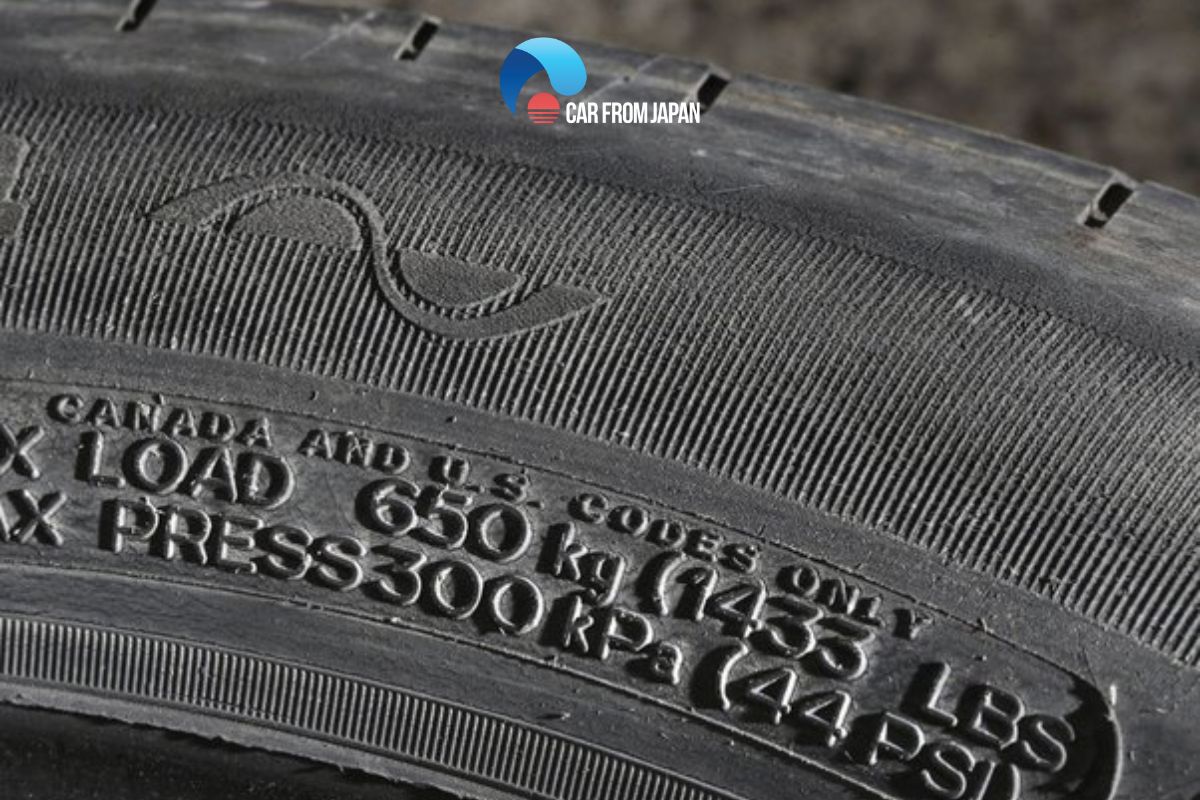
Check the tire sidewall for the maximum PSI, but do not use it as the regular pressure. The maximum PSI shows the highest pressure the tire can handle safely. Instead, find the recommended PSI inside the car door frame or in the owner’s manual. These values are set by the car manufacturer for the best balance of safety and performance.
Manufacturer Guidelines
Car makers test and set tire pressures to fit each vehicle model. They consider weight, size, and driving style. Following these guidelines ensures your tires wear evenly and your car drives smoothly. Ignoring them may lead to poor handling or tire damage. Always trust the pressure numbers from your car’s maker over the tire’s max PSI.
Factors Affecting Tire Pressure
- Temperature changes cause tire pressure to rise or fall.
- Heavy loads require higher tire pressure for support.
- Driving speed and road conditions can impact pressure needs.
- Leaks or damage may cause pressure loss over time.
Regularly check your tire pressure, especially before long trips or in changing weather. Proper care helps keep your tires in good shape and your drive safe.
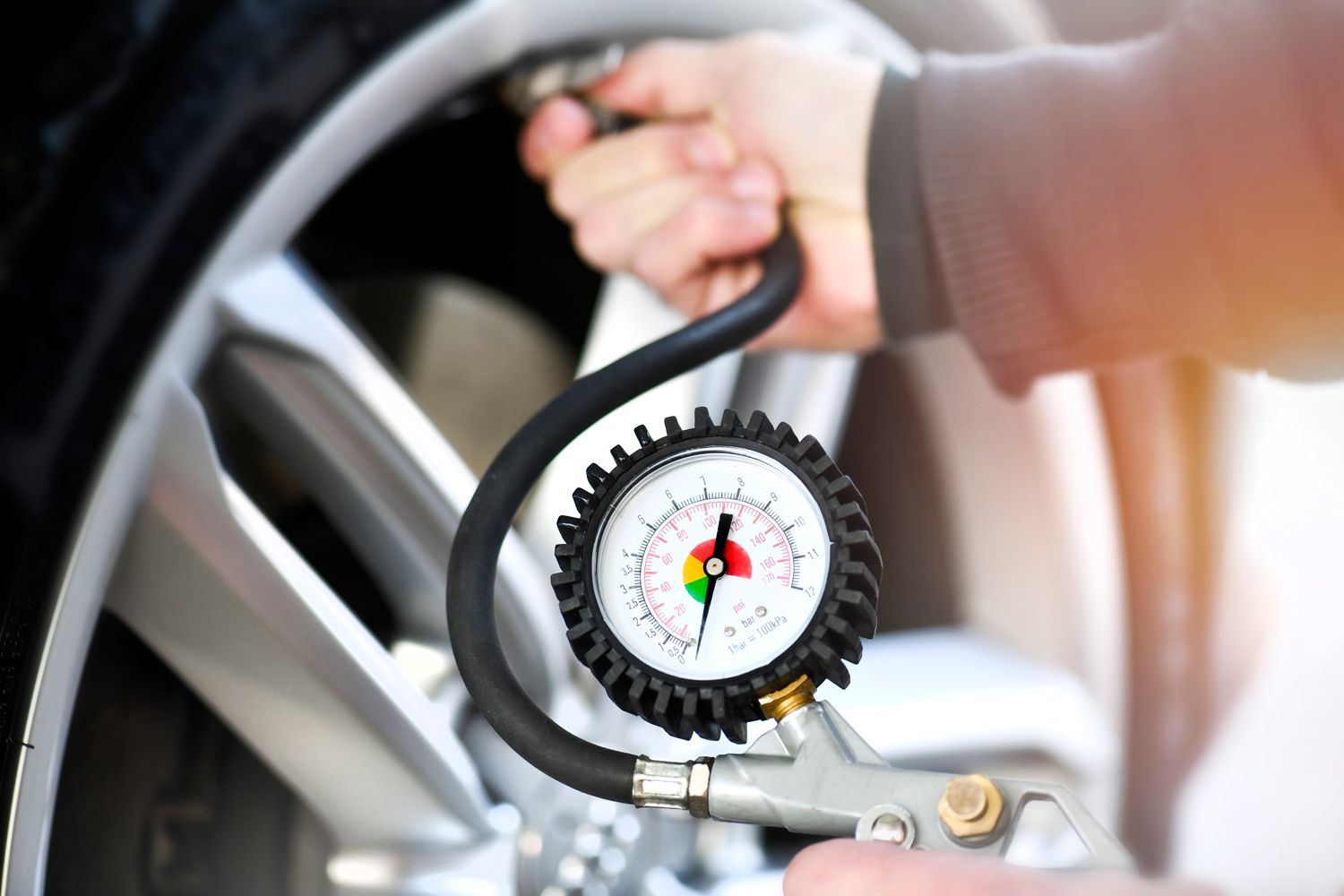
Credit: www.carparts.com
Checking And Adjusting Psi
Checking and adjusting the PSI (pounds per square inch) of your car tires is essential for safety, fuel efficiency, and tire longevity. Maintaining the correct pressure can prevent unexpected blowouts and improve your car’s handling. Knowing how to check and adjust tire pressure yourself saves time and money, and puts you in control of your vehicle’s performance.
Tools Needed
- Tire Pressure Gauge:A simple device to measure tire pressure. Digital gauges offer easy-to-read displays, while analog ones are reliable and straightforward.
- Air Compressor or Pump:For adding air to your tires. Many gas stations have air compressors, or you can buy a portable one for home use.
- Valve Stem Caps:Ensure you keep valve caps on your tires after adjusting pressure to protect from dirt and moisture.
When To Check Tire Pressure
Check your tire pressure at least once a month to keep your tires in optimal condition. Cold tires provide the most accurate readings, so measure pressure before driving or after your car has been parked for a few hours.
Also, check tire pressure before long trips or when carrying heavy loads, as these conditions affect tire pressure significantly. Have you noticed your car pulling to one side or a rough ride? Low or uneven tire pressure might be the culprit.
Steps To Inflate Or Deflate Tires
- Remove the valve capfrom the tire you want to check or adjust.
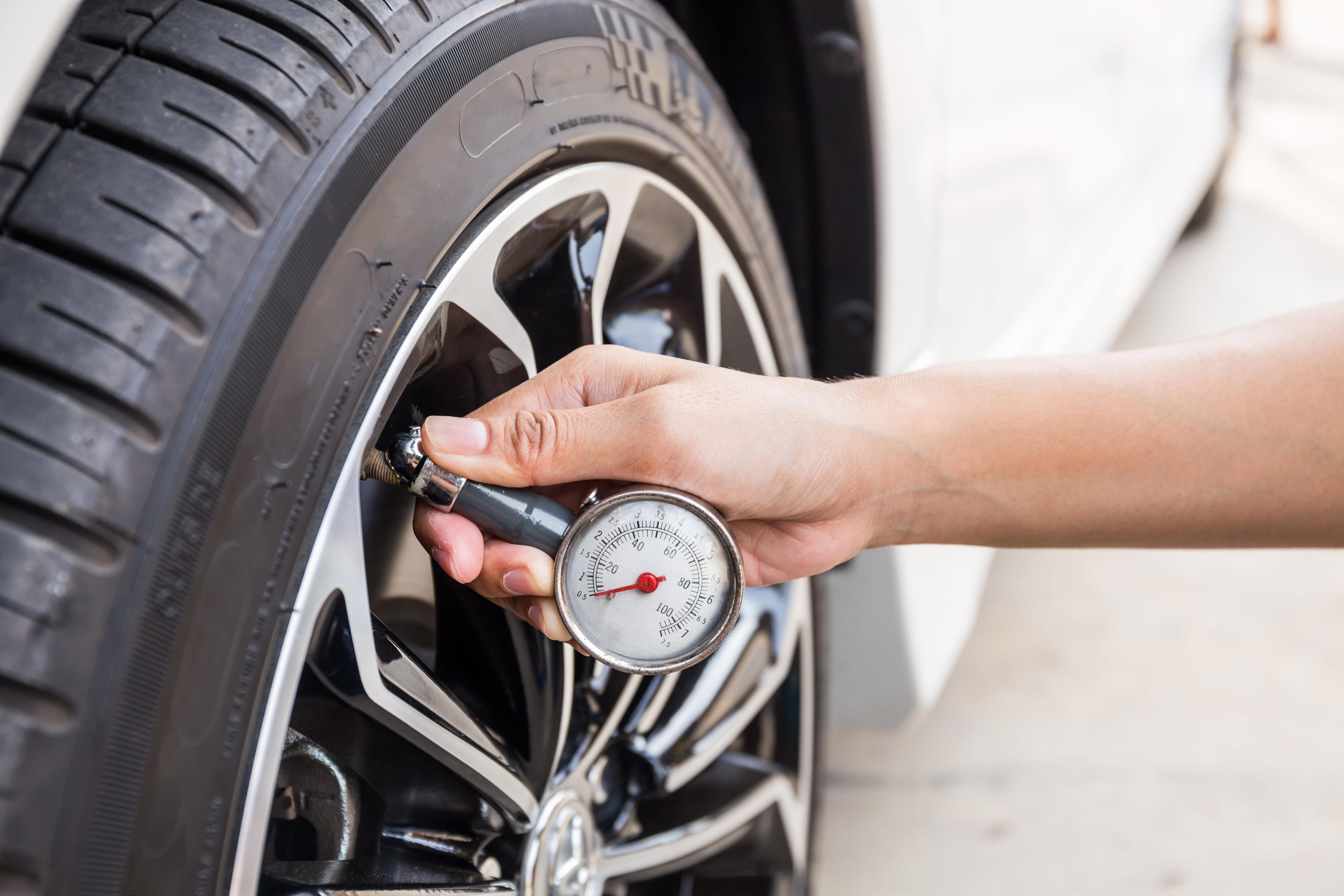
- Press the tire pressure gaugeonto the valve stem firmly to get a reading.
- Compare the readingto your car manufacturer’s recommended PSI, usually found on a sticker inside the driver’s door or in the owner’s manual.
- To inflate:Attach the air compressor nozzle to the valve stem and add air in short bursts, checking pressure often.
- To deflate:Press the small pin inside the valve stem with a tool or your fingernail to release air slowly until you reach the desired PSI.
- Replace the valve capsecurely to keep out dirt and moisture.
Adjusting your tire pressure might seem minor, but it directly affects your safety and driving comfort. How often do you take a moment to check your tires? It’s one habit that pays off every time you hit the road.
Impact Of Incorrect Psi
Incorrect tire pressure can harm your car’s performance and safety. Tires with wrong PSI affect driving stability and control. Maintaining the right PSI ensures the vehicle handles as designed. Below are key impacts of having the wrong tire pressure.
Effects On Safety
Too low or too high PSI reduces tire grip on the road. This causes poor handling and longer stopping distances. Underinflated tires increase the risk of blowouts during travel. Overinflated tires can lead to uneven contact, causing skidding. Proper tire pressure helps maintain vehicle stability and control.
Fuel Efficiency Concerns
Incorrect tire pressure causes the engine to work harder. Low PSI increases rolling resistance, making the car use more fuel. Overinflated tires reduce the contact area, affecting fuel economy too. Keeping tires at recommended PSI helps save fuel and lowers emissions.
Tire Wear And Longevity
Wrong PSI leads to uneven tire wear patterns. Underinflated tires wear out on the edges faster. Overinflated tires wear more in the center tread area. Uneven wear shortens tire life and increases replacement costs. Proper inflation extends tire durability and performance.
Credit: carfromjapan.com
Credit: simpletire.com
Frequently Asked Questions
What Is The Recommended Psi For Car Tires?
The recommended PSI varies by vehicle and is found on the driver’s door jamb. Maintaining this PSI ensures safety, fuel efficiency, and tire longevity. Always check your car manual or tire placard for the exact pressure.
How Often Should I Check My Tire Psi?
Check tire PSI at least once a month and before long trips. Tires lose pressure naturally over time. Regular checks prevent uneven wear and improve vehicle handling.
Can Incorrect Psi Affect Car Performance?
Yes, incorrect PSI can cause poor handling, increased tire wear, and reduced fuel efficiency. Overinflated tires may lead to a harsh ride, while underinflated tires increase rolling resistance.
What Happens If Tire Psi Is Too Low?
Low tire PSI causes increased tire wear, higher fuel consumption, and poor vehicle handling. It can also lead to tire overheating and possible blowouts, compromising safety.
Conclusion
Proper tire pressure keeps your car safe and saves fuel. Check the psi regularly on your tires. Use the number found on the driver’s door or manual. Avoid guessing or using too much air. Correct psi helps your tires last longer too.
Drive smoothly and stop often to check tire pressure. Good tire care means better control and fewer problems. Small steps make a big difference in safety and cost. Keep your tires at the right psi for a smooth ride.