
Want your car to shine like it just rolled out of the showroom? Waxing your car with a buffer is one of the best ways to get that deep, lasting shine—and it’s easier than you think.
You might have heard that using a buffer is tricky or can damage your paint, but with the right steps, you can protect your car’s finish and save time. In this guide, you’ll learn exactly how to wax your car with a buffer, avoid common mistakes, and get professional results at home.
Ready to make your car look stunning? Keep reading and discover the simple secrets to a flawless wax job.
Choosing The Right Buffer
Choosing the right buffer can make a huge difference in the results you get when waxing your car. The right tool not only saves time but also protects your car’s paint from damage. Before you even pick up the wax, think about the buffer that fits your needs and skill level.
Types Of Buffers
Buffers come in several types, each designed for specific tasks. Here are the most common ones you might consider:
- Rotary Buffers:These spin in one direction and are powerful but can be risky if you’re not experienced. They can remove scratches quickly but may cause swirl marks if used incorrectly.
- Dual-Action (DA) Buffers:These combine spinning and orbital motions, making them safer for beginners. They are less likely to damage the paint and are great for applying wax evenly.
- Random Orbital Buffers:These create a random spinning pattern, reducing the chance of leaving marks. They offer a professional finish and are easier to control.
Think about how much control you want and how comfortable you feel handling the buffer. If you’re new to car waxing, a dual-action buffer is usually the best choice. It gives you power without the risk of ruining your paint.
Selecting The Best Wax
Your buffer’s effectiveness also depends on the type of wax you use. Different waxes react differently when applied with a machine.
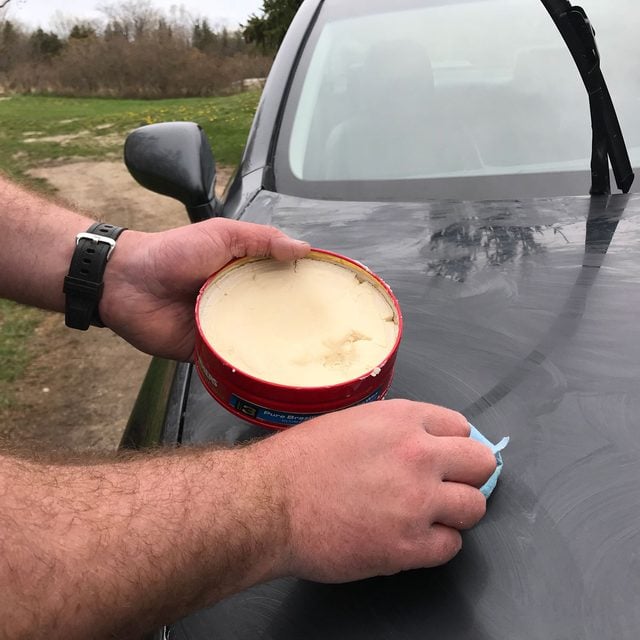
- Paste Wax:Offers long-lasting protection but requires more effort to apply and buff out. Ideal if you want a deep shine and don’t mind a bit of elbow grease.
- Liquid Wax:Easier to spread and works well with buffers. It allows for faster application but might not last as long as paste.
- Carnauba Wax:Known for its rich shine and warmth. It works beautifully with buffers but can be a bit softer and needs more frequent application.
- Synthetic Sealants:These provide durable protection and are often easier to apply with a buffer. They can give a glossy finish and protect your paint for months.
Would you rather spend more time on a deep, glossy finish or get a quick, easy shine? Your answer will guide your wax choice. Match your wax to your buffer and your desired outcome for the best results.
Credit: www.familyhandyman.com
Preparing Your Car
Preparing your car properly before waxing with a buffer sets the stage for a flawless finish. Skipping this step can lead to uneven results and even damage your paint. Taking time to clean, dry, and inspect ensures the wax adheres well and brings out the shine you want.
Cleaning And Drying
Start by washing your car thoroughly to remove dirt, dust, and grime. Use a gentle car shampoo and plenty of water to avoid scratching the paint. Pay special attention to areas like wheel wells and lower panels where buildup tends to hide.
After washing, dry your car completely using a microfiber towel or chamois cloth. Water spots can interfere with the waxing process, so make sure every surface is dry before moving on. Have you ever noticed how even a small water droplet can leave marks after waxing?
Inspecting The Surface
Once your car is clean and dry, check the paint for any imperfections like scratches, swirl marks, or oxidation. These flaws can affect the final look and may need correcting before waxing. Use good lighting—natural daylight works best—to spot what your eyes might miss indoors.
If you find rough patches or minor damage, consider using a polish or compound with your buffer first. Ignoring these can cause the wax to settle unevenly. How often do you take a close look at your car’s paint before applying wax?
Waxing Technique
Waxing your car with a buffer can deliver a shiny, professional finish much faster than applying wax by hand. However, mastering the right technique is key to avoid streaks, swirls, or uneven layers. Let’s focus on how to use your buffer effectively to spread wax smoothly and evenly over your car’s surface.
Applying Wax With A Buffer
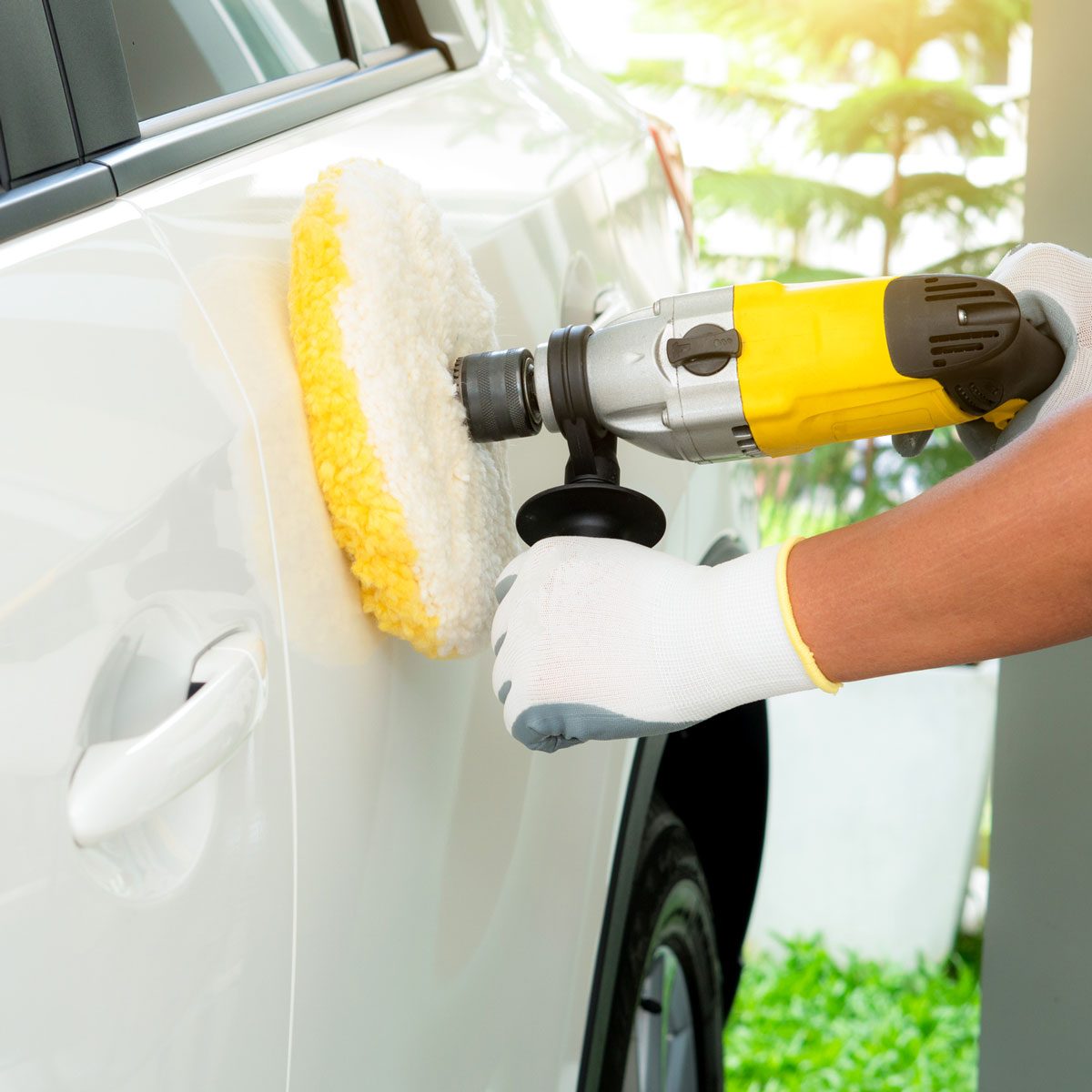
Start by attaching a clean, soft foam pad to your buffer. Use a small amount of wax—about the size of a golf ball—to avoid overloading the pad. Spread the wax gently on the pad before turning the buffer on to prevent splatter.
Place the buffer flat against the car’s surface and move it in slow, overlapping circles. This ensures even coverage and helps the wax bond well with the paint. Avoid rushing; patience here means a better shine later.
Maintaining Proper Speed And Pressure
Keep the buffer speed moderate—too fast can cause heat buildup and damage the paint, too slow means uneven application. A speed around 3,000 to 4,000 RPM works well for most buffers.
Apply light to medium pressure; pressing hard won’t make the wax work better but can leave swirls or marks. Let the buffer’s weight do most of the work. Can you feel the difference when you adjust pressure slightly? That subtle control makes all the difference.

Credit: www.youtube.com
Finishing Touches
Finishing touches are what transform your car’s wax job from good to spectacular. After applying wax with a buffer, the way you handle the final steps makes all the difference in achieving a smooth, glossy finish. Paying close attention now ensures your car looks professionally detailed and the wax lasts longer.
Buffing To A Shine
Once the wax has hazed over, it’s time to buff it off with the buffer set to a low speed. Move the pad in overlapping, circular motions to evenly remove the residue without damaging the paint. Press gently—too much pressure can create swirl marks instead of a shine.
Using a clean, soft microfiber towel after buffing helps lift any remaining wax particles. Have you noticed how certain spots catch light better after buffing? That’s the sign your car’s paint is truly polished.
Aftercare Tips
After waxing, avoid washing your car for at least 48 hours to let the wax fully cure. Using harsh soaps or automatic car washes too soon can strip away the protective layer you just applied. Instead, opt for gentle hand washes with pH-neutral shampoo.
Regular maintenance keeps the shine alive. Wiping down your car with a quick detailer spray in between washes refreshes the wax and prevents buildup. How often you do this depends on your environment, but a quick weekly touch-up makes a big difference.
- Park in shaded areas to protect the wax from UV damage.
- Use separate towels for drying and buffing to avoid scratches.
- Inspect your wax job under different lighting to spot missed areas.
Credit: www.familyhandyman.com
Frequently Asked Questions
How Do You Prepare A Car Before Waxing With A Buffer?
Clean and dry your car thoroughly before waxing. Remove dirt and grime to avoid scratches. Use a good car shampoo and microfiber towels for the best results.
What Type Of Wax Is Best For Buffing A Car?
Use a high-quality, buffer-friendly wax, such as a liquid or paste wax. These types spread evenly and provide a glossy, long-lasting finish.
How Do You Apply Wax Using A Buffer Machine?
Apply a small amount of wax to the buffer pad. Work in small sections with slow, overlapping motions. Avoid pressing too hard to prevent swirl marks.
How Long Should You Wait After Buffing Before Driving?
Wait at least 30 minutes to let the wax cure properly. This ensures maximum protection and shine before exposing your car to elements.
Conclusion
Waxing a car with a buffer can save time and effort. Take your time and work in small sections. Use light pressure and keep the buffer moving to avoid damage. Always choose the right wax and pad for your car’s paint.
Clean the surface before starting to get the best results. Regular waxing protects your car and keeps it shiny. With practice, your car will look smooth and bright. Simple steps, good tools, and patience make a big difference. Enjoy the process and the shiny finish it brings.