Are you worried that using tire cleaner might harm your car’s paint? You’re not alone.
Many car owners face this dilemma every time they want to give their wheels a shine. You want your tires spotless, but you also want to protect your paint job from damage. You’ll discover the truth about tire cleaners and how they interact with your paint.
By the end, you’ll know exactly what to do to keep both your tires and paint looking perfect. Keep reading to protect your car and get that showroom shine!

Credit: www.reddit.com
How Tire Cleaners Work
Tire cleaners are designed to remove tough grime, brake dust, and road dirt from your tires. Understanding how these cleaners work helps you choose the right product and avoid damage to your vehicle’s paint. Let’s break down the science behind tire cleaners and what happens when you use them.
How Chemical Formulas Break Down Dirt
Tire cleaners usually contain strong chemicals that dissolve dirt and brake dust. These ingredients react with the grime, loosening it from the tire’s surface so it can be rinsed away easily.
Some formulas use acids or alkaline substances. The pH level in the cleaner determines how aggressive it is. Acidic cleaners can be very effective but may harm delicate surfaces if not used carefully.
Role Of Surfactants In Cleaning
Surfactants are key players in tire cleaners. They reduce the surface tension between dirt and the tire, allowing the cleaner to lift and wash away stubborn residues.
This is similar to how soap works on grease. Surfactants surround dirt particles, making them easier to rinse off with water.
Potential Risks To Paint
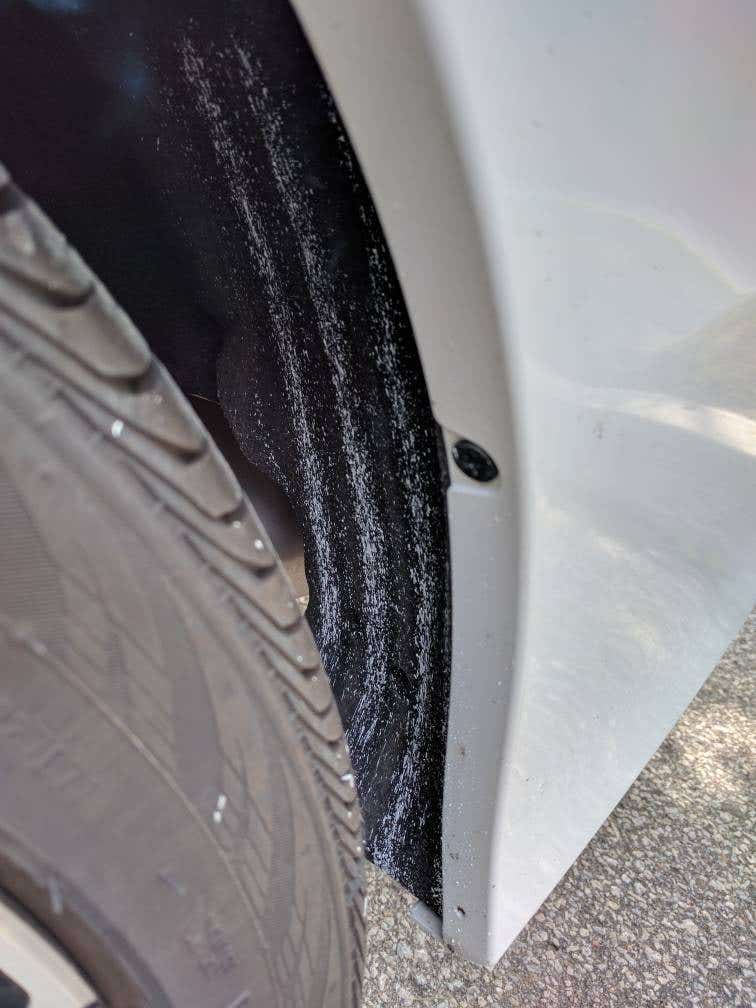
Some tire cleaners can splash onto your car’s paint during application. If the cleaner contains harsh acids or strong alkalis, it can etch or dull the paint surface.
Using a tire cleaner with a balanced formula and applying it carefully reduces the risk. Always test a small area first and avoid spraying directly near painted surfaces.
How To Use Tire Cleaner Safely
- Apply the cleaner only on tires, avoiding rims and body panels.
- Use a brush to scrub the tire, not the car’s paint.
- Rinse thoroughly to prevent residue buildup.
- Wear gloves to protect your skin from chemicals.
Have you ever noticed spots or streaks on your paint after cleaning your tires? That’s often caused by tire cleaner overspray. Taking precautions can save you from that headache.

Credit: www.youtube.com
Common Ingredients In Tire Cleaners
Tire cleaners contain various ingredients to remove dirt and grime effectively. Knowing these components helps understand their effects on car paint. Some ingredients are safe, while others might harm the paint if used incorrectly.
Most tire cleaners include chemicals that break down tough stains and brake dust. They also contain agents to lift dirt from tire surfaces. The balance of these ingredients determines the cleaner’s strength and safety.
Surfactants
Surfactants reduce surface tension, allowing water to spread and clean better. They help lift dirt and grease from tires. Most tire cleaners use mild surfactants to avoid damage to rubber and paint.
Acids And Alkalis
Some tire cleaners contain acids or alkalis to dissolve brake dust and road grime. Acids like glycolic or citric acid are common. Alkalis such as sodium hydroxide can be stronger but risk damaging paint if overused.
Solvents
Solvents dissolve oily and greasy residues on tires. They help clean stubborn stains. Some solvents can harm paint if they come in contact with the car’s body.
Foaming Agents
Foaming agents create bubbles that hold dirt and contaminants. They make the cleaning process easier and more effective. These agents are usually gentle on surfaces.
Water And Fillers
Water acts as the main carrier for all ingredients. Fillers adjust the cleaner’s thickness and texture. They do not affect cleaning power but improve application.
Risks To Paint From Tire Cleaners
Tire cleaners are great for getting your wheels spotless, but they can pose hidden dangers to your car’s paint. Many formulas contain harsh chemicals designed to break down tough grime on tires, but these same chemicals can accidentally touch your paint and cause damage. Understanding these risks helps you protect your vehicle’s finish while keeping your tires clean.
Harsh Chemicals And Their Impact On Paint
Many tire cleaners use strong acids or alkalis to dissolve brake dust and road grime. These substances can eat away at your paint’s clear coat if they come into contact with it. Even a brief splash can leave dull spots or discoloration that’s hard to fix.
Have you ever noticed a faded patch near your wheels after cleaning? That’s likely due to chemical overspray from a tire cleaner.
Mechanical Damage From Improper Application
Using abrasive brushes or scrubbing too hard while cleaning tires can also harm nearby paint. Dirt and grit trapped in brushes can scratch the surface, especially around wheel arches where paint is exposed. This kind of damage weakens the paint and makes it more vulnerable to corrosion.
Think about how often you accidentally touch your wheel arch with a rough sponge—small scratches add up over time.
Poor Dilution And Residue Risks
Not diluting tire cleaners according to instructions increases their strength and potential to damage paint. Leftover chemical residue can continue to eat at the paint even after washing off the tire. Rinsing thoroughly and following the product guidelines can prevent this ongoing harm.
Have you checked the label lately to see if you’re using too much cleaner? It’s a simple mistake with serious consequences.
Preventing Paint Damage While Cleaning Tires
- Use tire cleaners designed to be safe on paint or labeled pH-balanced.
- Apply carefully with a sponge or brush confined to the tire surface.
- Rinse immediately if any cleaner touches the paint to avoid chemical burns.
- Wear gloves and use gentle pressure to avoid scratches.
Protecting your paint while cleaning tires takes a little extra attention but saves you from costly repairs. How carefully do you handle your tire cleaning routine?
Safe Practices For Using Tire Cleaners
Using tire cleaners safely protects your car’s paint and finish. Some tire cleaners contain harsh chemicals. These can harm your paint if used wrongly. Follow simple steps to keep your vehicle safe while cleaning tires.
Choose A Ph-balanced Tire Cleaner
Pick a tire cleaner that is pH-balanced. These cleaners are gentler on your car’s paint. They remove dirt without causing damage. Avoid acidic or highly alkaline cleaners as they can eat away paint.
Apply Tire Cleaner Carefully
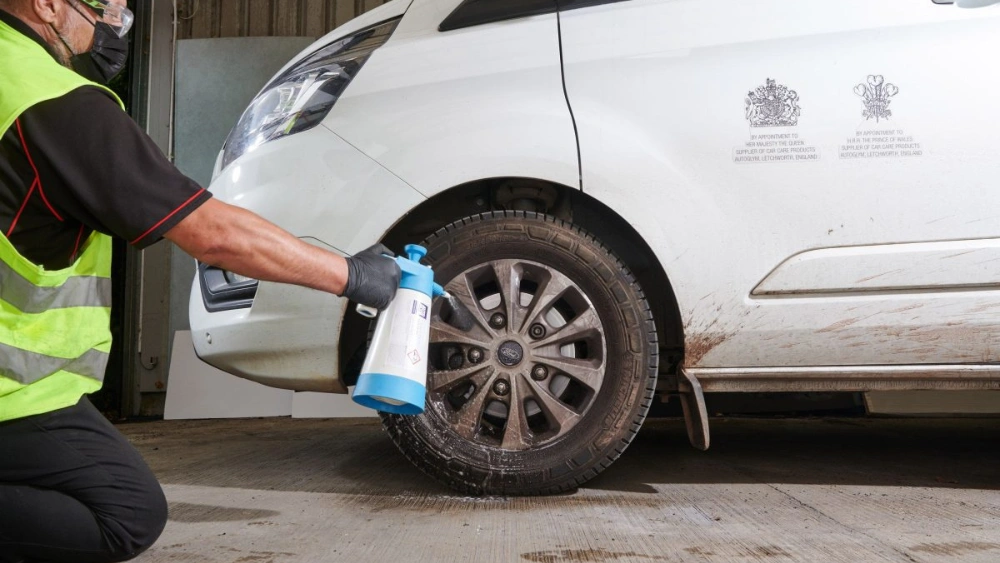
Spray the cleaner only on the tire surface. Avoid spraying on the car’s body or rims. Use a brush or sponge to scrub just the tire. This prevents cleaner from touching the paint.
Rinse Thoroughly After Cleaning
Rinse tires and nearby areas well with water. This removes leftover cleaner that might drip on paint. Clean water prevents chemical buildup and stains on your car’s finish.
Test Cleaner On A Small Area First
Try the cleaner on a small hidden spot first. Watch for any paint reaction or discoloration. Testing helps ensure the cleaner is safe for your car’s paint.
Wear Protective Gear
Use gloves and eye protection when handling tire cleaners. Some chemicals can irritate skin or eyes. Safety gear keeps you safe during cleaning.
Follow Manufacturer’s Instructions
Read and follow all instructions on the tire cleaner label. Using the product as directed reduces risks. Proper use ensures effective and safe tire cleaning.
Credit: www.driveaccord.net
Frequently Asked Questions
Can Tire Cleaner Harm My Car’s Paint?
Tire cleaner can damage paint if it contains harsh chemicals. Always use a cleaner labeled safe for paint. Avoid direct contact and rinse immediately if accidental.
How To Protect Paint When Using Tire Cleaner?
Use painter’s tape to cover paint near tires. Apply cleaner carefully to avoid splashes. Rinse the area promptly to prevent chemical buildup.
Are All Tire Cleaners Safe For Painted Surfaces?
No, not all tire cleaners are safe for paint. Choose pH-balanced, non-acidic formulas specifically designed for vehicles. Read product labels and reviews before use.
What Should I Do If Tire Cleaner Touches Paint?
Rinse the affected paint area immediately with water. Use a mild soap if residue remains. Avoid scrubbing harshly to prevent scratches.
Conclusion
Tire cleaner usually does not harm paint if used carefully. Choose a product made for cars and follow instructions. Avoid strong chemicals that can wear off paint. Rinse the area well after cleaning tires. Test on a small spot before full use.
Keeping tires clean helps your car look fresh. Protect paint by using gentle, safe cleaners regularly. Clean tires and paint with care to keep your car shining. Simple steps prevent damage and keep your car looking good.