
Are all micro USB car chargers the same? You might think so since they look alike and do the same job—charging your device on the go.
But what if your charger is actually slowing you down or even damaging your phone? Choosing the right charger matters more than you realize. You’ll discover the hidden differences that can affect your charging speed, safety, and overall experience. Keep reading to make sure you’re not settling for less when it comes to powering up in your car.
Types Of Micro Usb Car Chargers
Micro USB car chargers come in various types, each designed to meet different charging needs and preferences. Understanding these types can help you pick the right charger that works efficiently with your devices and fits your driving lifestyle. Let’s look at the main differences among micro USB car chargers so you know what to expect.
Standard Vs Fast Charging
Standard chargers supply a basic current, usually around 1 amp, which is enough for slow and steady charging. Fast chargers, on the other hand, deliver higher currents—often 2 amps or more—to charge your devices much quicker.
Think about times when you needed to charge your phone quickly before running errands. A fast charger can save you valuable time, but it might cost more and generate extra heat. Does your device support fast charging? If not, a standard charger might be all you need.
Single Port Vs Multiple Ports
Some micro USB car chargers come with just one port, while others offer two or more. If you often travel alone, a single port charger might be enough.
However, if you frequently have passengers who also need to charge devices, a multiple port charger is more practical. Imagine a family road trip—everyone can keep their devices powered without taking turns or swapping chargers.
Build Quality And Materials
The quality of materials affects both the durability and safety of your charger. Cheap plastic chargers may break easily or overheat, risking damage to your device or car.
Look for chargers with sturdy casings made from fire-resistant materials and secure connectors. A well-built charger not only lasts longer but also protects your gadgets better during bumpy rides.

Credit: www.amazon.ca
Compatibility And Charging Speed
Compatibility and charging speed are key factors for micro USB car chargers. Not all chargers work the same with every device. Charging speed depends on the output power and device needs. Understanding these points helps pick the right charger for your car and gadgets.
Device Compatibility
Micro USB chargers fit many older smartphones, tablets, and accessories. Some devices need specific charging standards. Using a charger that matches your device avoids slow or no charging. Check your device’s charging port and supported voltage before buying.
Output Power Ratings
Chargers come with different output power levels. Common outputs are 5V/1A, 5V/2A, or higher. Higher amps mean faster charging, but only if the device supports it. Low power chargers may work but charge very slowly. Choose a charger with output power that fits your device’s needs.
Impact On Charging Time
Charging time depends on charger power and device battery size. A powerful charger fills the battery faster. Using a low power charger can double or triple charging time. Poor compatibility may cause the device to draw less power, slowing charging even more.
Safety Features And Durability
Not all micro USB car chargers are created equal when it comes to safety features and durability. Choosing a charger without these protections can risk damage to your device and even your vehicle’s electrical system. Knowing what to look for can save you from headaches and costly repairs down the line.
Overcharge And Short Circuit Protection
Overcharging can shorten your phone’s battery life or cause it to overheat. The best micro USB car chargers have built-in overcharge protection to stop power flow once your device is fully charged.
Short circuit protection is equally important. It prevents electrical surges that could fry your device or charger. Always check if the charger explicitly states these protections—it’s a simple feature that makes a huge difference.
Heat Resistance
Car chargers often operate in hot environments, especially during summer. A charger with poor heat resistance can overheat, melt, or fail prematurely.
Look for models that mention heat-resistant materials or certifications. Some chargers use fire-retardant plastic or have vents designed to keep the temperature down. Your safety depends on how well the charger handles heat under real-world conditions.
Longevity And Warranty
Durability matters. A cheap charger might save money upfront but break within weeks. Higher quality chargers use robust materials and solid construction to last longer.
Check the warranty offered. A longer warranty often indicates confidence from the manufacturer in their product’s durability. Would you rather replace a charger every month or invest in one that lasts for years?
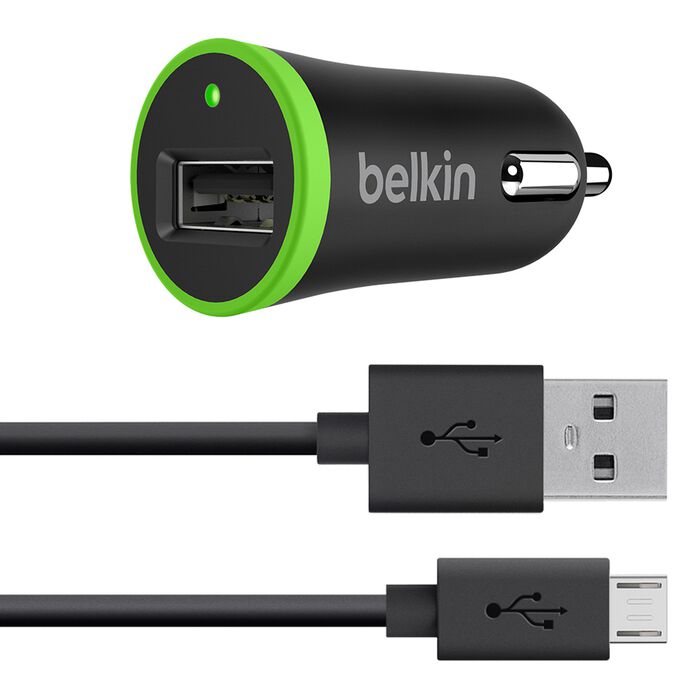
Credit: www.belkin.com
Frequently Asked Questions
Are All Micro Usb Car Chargers Compatible With Every Car?
No, not all Micro USB car chargers are universally compatible. Compatibility depends on your car’s power outlet and charger specifications. Always check your vehicle’s voltage and the charger’s output to ensure safe and efficient charging.
Do Micro Usb Car Chargers Differ In Charging Speed?
Yes, charging speeds vary among Micro USB car chargers. Some support fast charging with higher amperage, while others provide standard speeds. Choosing a charger with Quick Charge or Power Delivery features can significantly reduce your device’s charging time.
Can All Micro Usb Car Chargers Damage My Device?
Not all Micro USB car chargers cause damage, but low-quality ones can. Poorly made chargers may deliver unstable power, risking battery health. Always use certified chargers from reputable brands to protect your device and ensure reliable performance.
Is Price An Indicator Of Micro Usb Charger Quality?
Price can reflect quality but is not the only factor. Higher-priced chargers often use better materials and safety features. However, some affordable chargers also provide good performance. Research and reviews help find the best value for your needs.
Conclusion
Not all micro USB car chargers work the same way. Some charge faster, while others protect your device better. Quality and features can vary a lot. Choosing the right charger saves time and keeps your phone safe. Always check the charger’s power output and brand reputation.
A good charger lasts longer and charges more reliably. Remember, small differences make a big impact on your charging experience. Don’t settle for just any charger. Pick one that fits your needs and works well with your device.