
Have you ever wondered if those quick, automatic car washes might be harming your car’s paint? You want your vehicle to look its best, but could a simple wash be doing more damage than good?
You’ll discover the surprising truth about automatic car washes and what they really mean for your car’s finish. Keep reading to find out how to protect your paint and keep your car shining like new.
Credit: www.hallmarkhyundaibirmingham.com
How Automatic Car Washes Work
Understanding how automatic car washes work can help you decide if they are safe for your vehicle’s paint. These systems use different technologies and cleaning methods to remove dirt quickly and efficiently. Knowing the details behind the process can reveal why some washes might cause damage while others are gentle on your paint.
Types Of Automatic Wash Systems
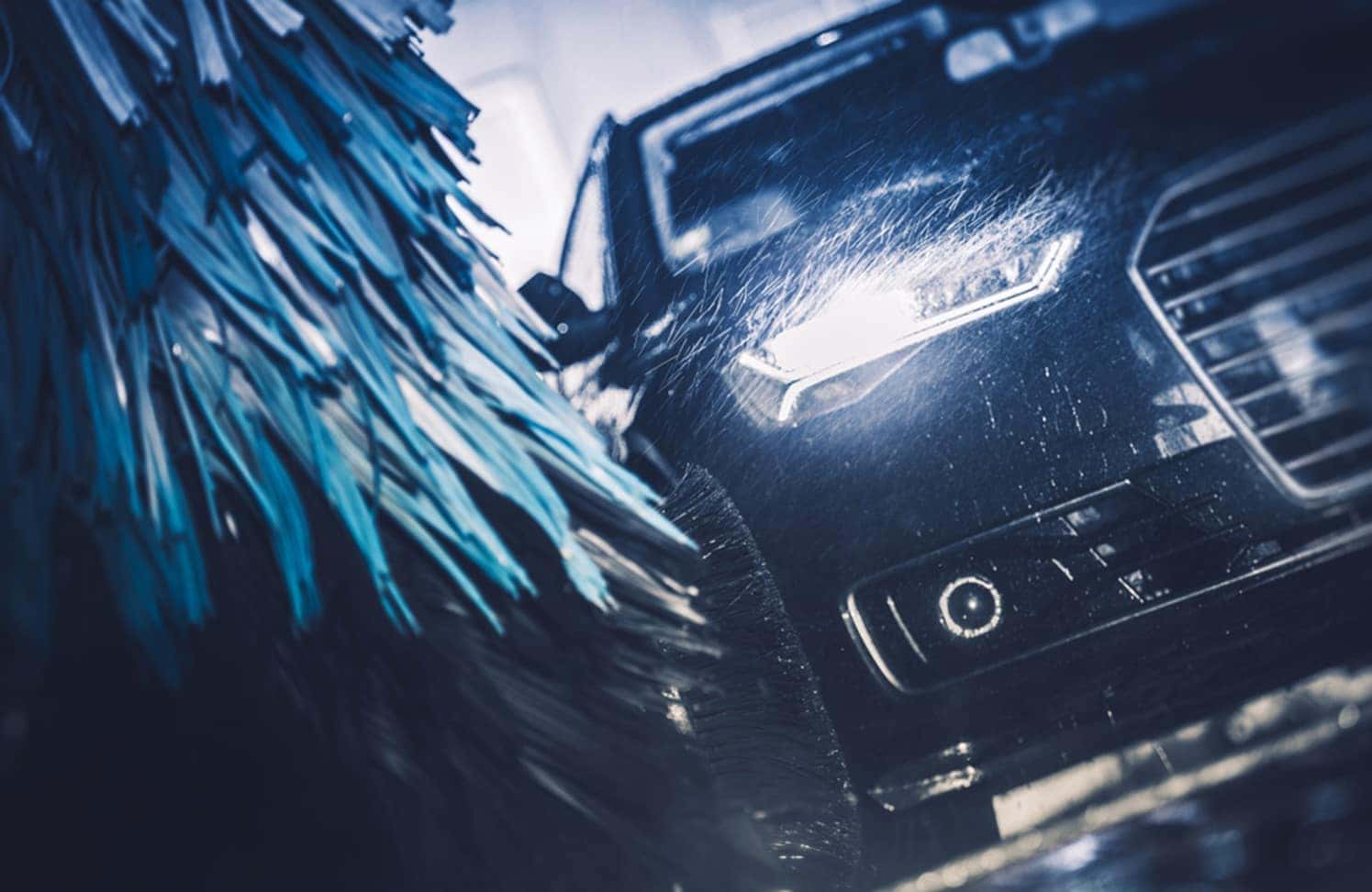
Automatic car washes generally fall into two categories: touchless and soft-touch systems. Touchless washes use high-pressure water and strong detergents to clean without any brushes touching your car. This reduces the risk of scratches but may not remove all grime effectively.
Soft-touch washes use spinning brushes or cloth strips that physically scrub your vehicle. These can clean more thoroughly but might cause tiny scratches or swirl marks if the brushes aren’t well maintained. Have you ever noticed fine scratches after a visit to a brush wash? That’s often why.
Common Cleaning Techniques
Most automatic car washes follow a similar cleaning sequence. First, your car gets sprayed with water to loosen dirt. Then, soap or detergent is applied to break down grease and grime.
Next, brushes or high-pressure jets scrub the surfaces. Finally, strong water jets rinse off the soap, and air blowers help dry your car. Some washes add wax or protectants at the end for extra shine and paint protection.
Think about the last time you washed your car yourself. Did you use gentle motions or aggressive scrubbing? Automatic washes do the scrubbing for you—but not all are equally careful with your paint’s delicate surface.
Potential Paint Damage Risks
Automatic car washes offer convenience, but they come with certain risks to your vehicle’s paint. Understanding these risks can help you decide if this quick cleaning option is worth it for your car’s finish. Let’s look closely at the common ways your paint might suffer damage during an automatic wash.
Scratches And Swirl Marks
Have you ever noticed tiny scratches or swirl marks after an automatic wash? These often happen because the brushes or cloth strips used can trap dirt and grit from previous washes. When these particles rub against your car, they act like sandpaper, scratching the surface.
Even soft brushes can cause micro-abrasions over time. If your car’s paint already has small imperfections, these scratches become more visible. You might want to ask: Is the speed of an automatic wash worth the slow build-up of damage?
Harsh Chemicals And Abrasives
Some automatic car washes use strong detergents and chemicals to remove tough grime. While effective at cleaning, these substances can eat away at your car’s clear coat if used too frequently. This clear coat is what protects your paint from fading and corrosion.
Additionally, certain washes add abrasive agents to boost cleaning power, which can dull your paint’s shine. If you care about maintaining a vibrant finish, check what chemicals the car wash uses. Could a gentler, hand wash be a better choice for your vehicle’s long-term appearance?
When Automatic Washes Are Safe
Automatic car washes can be safe for your paint under certain conditions. Not all automatic washes harm the car’s surface. It depends on the technology used and how well the equipment is cared for. Knowing these factors helps you protect your car’s finish.
Modern Gentle Technologies
New automatic car washes use soft cloth or foam brushes. These materials are less likely to scratch paint. Some washes use touchless systems with high-pressure water and cleaning agents. These avoid direct contact with the car’s surface. They reduce the risk of swirl marks and scratches. Choosing a wash with gentle technology protects your paint better.
Proper Maintenance Of Equipment
Well-maintained car wash machines keep brushes and cloths clean. Dirty or damaged equipment can trap dirt and grit. This can cause scratches during washing. Regular cleaning and replacement of parts prevent this issue. Staff who inspect and fix machines often help maintain quality. A clean and cared-for automatic wash is safer for your paint.
Credit: ceramicpro.com
Tips For Protecting Your Car’s Paint
Protecting your car’s paint keeps it looking fresh and new. Small actions help avoid scratches and dullness. Proper care extends your vehicle’s life and resale value. Simple tips make a big difference for paint safety.
Choosing The Right Wash Option
Select a wash type that is gentle on paint. Avoid automatic car washes with harsh brushes. Look for soft cloth or touchless washes instead. These reduce the risk of scratches and swirl marks.
Check if the wash uses clean water and fresh soap. Dirty brushes or recycled water can harm the paint. Choose places with good reviews for paint care.
Use a pre-wash rinse to remove loose dirt. This step prevents rubbing grit against the paint. Always dry the car with a soft microfiber towel after washing.
Alternative Cleaning Methods
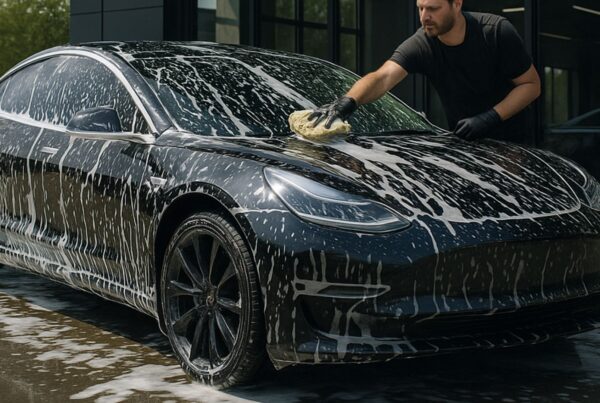
Hand washing offers better control and care for paint. Use a soft sponge or mitt with car soap. Avoid household detergents that strip wax and damage paint.
Rinse the car thoroughly before and after washing. Work in shade to prevent soap spots from drying too fast. Use two buckets: one for soap, one for rinsing.
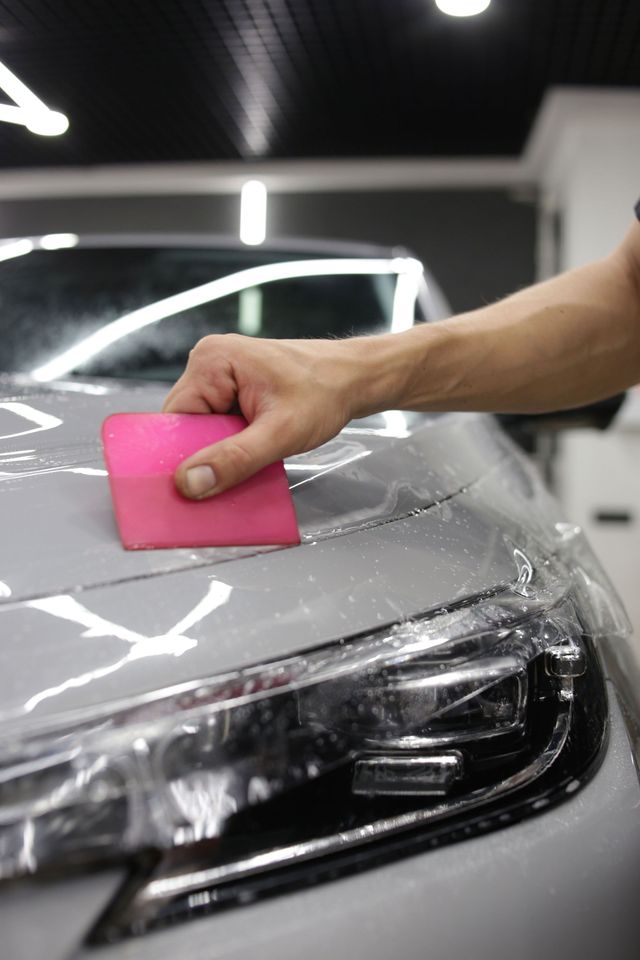
Apply a quality wax or sealant every few months. This protects paint from UV rays and dirt. Regular waxing keeps the surface smooth and shiny.
Credit: www.fortworthautodetail.com
Frequently Asked Questions
Are Automatic Car Washes Harmful To Car Paint?
Automatic car washes can sometimes cause minor paint scratches. Brushes and harsh chemicals may wear down clear coats over time. However, modern touchless car washes reduce this risk significantly. Regular washing is important; just choose gentle, well-maintained automatic car washes for paint protection.
How Do Automatic Car Washes Affect Paint Quality?
Automatic car washes may use abrasive brushes that create swirl marks on paint. Chemicals used can strip wax and protective coatings. Touchless systems use high-pressure water and detergents, minimizing direct contact and paint damage. Proper maintenance and choosing soft cloth or foam washes help protect paint quality.
Can Automatic Car Washes Remove Protective Wax Coatings?
Yes, many automatic car washes use detergents that can strip wax layers. Frequent washing without reapplying wax may leave paint vulnerable to environmental damage. To maintain protection, reapply wax regularly after automatic washes or opt for hand washing with gentle products.
Are Touchless Car Washes Safer For Car Paint?
Touchless car washes avoid brushes, using high-pressure water jets and detergents instead. This reduces the risk of scratches and swirl marks on paint. However, harsh chemicals can still affect wax protection. Overall, touchless washes are generally gentler and safer for paint than traditional brush systems.
Conclusion
Automatic car washes can cause small scratches on your paint. Brushes and harsh chemicals may wear down the finish over time. Hand washing or touchless washes usually protect paint better. Regular waxing helps keep your car shiny and safe. Choose a wash method that fits your car’s needs.
Taking care of paint keeps your vehicle looking good longer. Simple steps make a big difference in paint health. Protect your car’s finish with smart washing habits.