
Have you ever wished your older car had a backup camera to make parking and reversing safer? You’re not alone.
Adding this handy feature can give you extra confidence behind the wheel, reduce blind spots, and help prevent accidents. But is it really possible to install a backup camera on a car that didn’t come with one? If you want to upgrade your ride without buying a new vehicle, keep reading.
This guide will show you exactly how you can add a backup camera to your older car—and why it’s easier than you might think.
Credit: www.odyclub.com
Benefits Of Adding A Backup Camera
Adding a backup camera to an older car brings many benefits. It improves safety and makes parking easier. This simple upgrade helps drivers see blind spots behind the vehicle. It reduces the risk of accidents and protects pedestrians, especially children and pets.
Backup cameras also increase convenience. They save time by making reversing faster and more precise. Drivers gain confidence in tight spaces or crowded parking lots. The technology is affordable and easy to install in most older cars.
Improved Safety For Drivers And Pedestrians
A backup camera shows a clear view behind the car. It helps spot obstacles that mirrors miss. Drivers can avoid hitting objects or people while reversing. This reduces accidents and injury risks.
Easier Parking In Tight Spaces
Parking becomes less stressful with a backup camera. It guides the driver with real-time video. Maneuvering in small spots or busy areas becomes simpler. Less guesswork leads to better parking accuracy.
Increased Vehicle Value
Adding modern features like a backup camera can boost car value. Buyers often look for safety upgrades in used cars. A backup camera makes an older car more appealing.
Cost-effective Safety Upgrade
Backup cameras are affordable and widely available. Installation does not require major changes to the car. This upgrade provides good safety benefits for a low price.
Credit: blog.tadibrothers.com
Choosing The Right Backup Camera
Choosing the right backup camera for your older car can make all the difference in safety and convenience. It’s not just about picking any camera but finding one that fits your car’s setup and your needs. Let’s break down what you should consider before making your choice.
Wired Vs Wireless Cameras
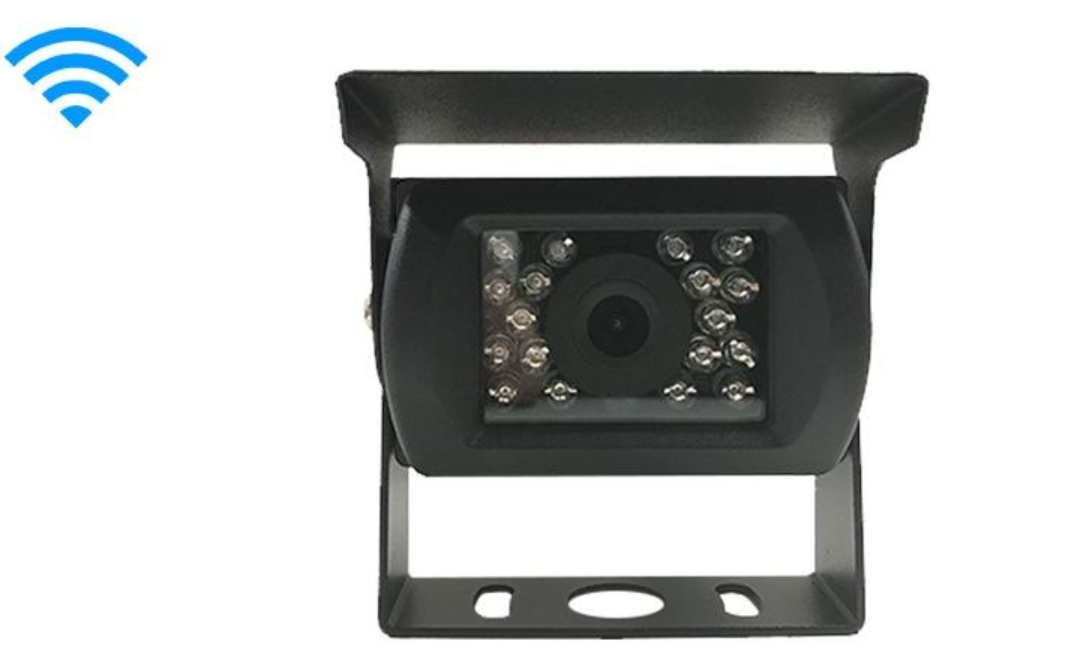
Wired cameras offer a stable connection and usually better image quality. They can be tricky to install since you’ll need to run cables through your car, but the result is often more reliable.
Wireless cameras are easier to install, especially if you want a quick upgrade. However, they might face interference or occasional signal drops, especially in areas with many wireless devices.
Think about your comfort with installation and how much you value a consistent signal. Would you rather spend a bit more time installing for reliability, or prefer a simpler setup even if it means occasional hiccups?
Camera Placement Options
Where you place the camera impacts what you see on the screen. Common spots include above the license plate, inside the rear window, or on the bumper.
Mounting the camera too high or too low can limit visibility or cause blind spots. Experiment with placement to find a balance between a clear view and protection from road debris.
Have you checked how your car’s shape might affect the camera’s view? A small trial with a temporary mount can save frustration later.
Compatibility With Older Cars
Older cars often lack the wiring and display screens that modern backup cameras require. You might need additional adapters or an aftermarket display to make everything work together.
Some cameras come with their own screens, which simplifies installation but adds to the dashboard clutter. Others integrate with existing radios or infotainment systems, if your car has one.
Check the power supply options and video input compatibility before buying. Does the camera you want support your car’s electrical system and display capabilities?
Installation Tips For Older Vehicles
Adding a backup camera to an older car can boost safety and convenience, but the installation requires some care. Older vehicles often lack the modern wiring and mounting points newer models have. Understanding the right tools and steps can save you frustration and ensure the camera works flawlessly.
Tools And Materials Needed
- Backup camera kit:Choose one compatible with your vehicle’s make and model.
- Power drill and drill bits:For creating mounting holes if necessary.
- Screwdrivers:Both flathead and Phillips for removing and securing panels.
- Wire strippers and crimpers:Essential for clean and secure electrical connections.
- Electrical tape and zip ties:To organize and protect wiring.
- Multimeter:Helps you find the correct power source and check connections.
- Trim removal tools:To safely remove interior panels without damage.
Step-by-step Installation Guide
First, decide where to mount the camera—usually above the rear license plate. You might need to drill a small hole, so check for any hidden wiring or structural parts before drilling.
Next, run the camera’s wiring through the trunk or tailgate, taking care to avoid sharp edges. Use zip ties to keep wires secure and prevent wear over time.
Locate a 12V power source that turns on with your ignition, like the reverse light circuit. Test this with a multimeter to confirm before connecting.
Connect the camera’s power wires to the reverse light wires using wire strippers and crimp connectors. Then, route the video cable to your dashboard screen or rearview mirror display.
Finally, test the camera by putting the car in reverse. Adjust the camera angle if needed and secure all panels back in place.
Troubleshooting Common Issues
If the camera doesn’t turn on, recheck your power connections. Is the reverse light circuit providing power? Use your multimeter again to verify.
Blurry or no image? Check if the video cable is properly connected and not damaged. Sometimes, older cars’ electrical systems create interference, so try repositioning the cable away from other wiring.
Also, inspect the camera lens for dirt or water. Even slight smudges can ruin the view.
Have you ever tried installing electronics in your car and faced unexpected wiring challenges? Older vehicles demand patience and careful attention to detail, but the improved safety is worth the effort.
Credit: www.chryslerminivan.net
Frequently Asked Questions
Can I Install A Backup Camera On Any Older Car?
Yes, most older cars can have backup cameras installed. You need a compatible camera, monitor, and sometimes wiring adapters. Professional installation ensures proper function and safety.
What Types Of Backup Cameras Fit Older Vehicles?
Older cars can use wired or wireless backup cameras. Wireless cameras are easier to install but may have interference. Wired cameras offer a stable connection but require more installation work.
How Much Does Adding A Backup Camera To An Older Car Cost?
The cost varies between $50 to $300 for parts. Professional installation can add $100 to $200. DIY installation lowers costs but requires technical skills.
Will A Backup Camera Improve Safety In My Older Car?
Yes, backup cameras help reduce blind spots and prevent accidents. They provide a clear rear view when reversing, enhancing parking accuracy and pedestrian safety.
Conclusion
Adding a backup camera to an older car is possible and helpful. It improves safety by showing what’s behind the vehicle. Many kits are easy to install with basic tools. Choose a camera that fits your car’s style and needs.
Take your time to follow instructions carefully for best results. This small upgrade can make parking and reversing much safer. It’s a smart choice for anyone driving an older car today.