Have you ever turned your key, only to find your car won’t start? It’s frustrating, especially when you’re in a hurry.
You might wonder if something as simple as an overdue oil change could be the reason. Could skipping that routine maintenance really stop your car from starting? You’ll discover the surprising ways an overdue oil change can affect your engine’s performance—and what you can do to avoid being stranded.
Keep reading to protect your car and save yourself from unexpected headaches.
Credit: www.tateboys.com
How Oil Affects Engine Performance
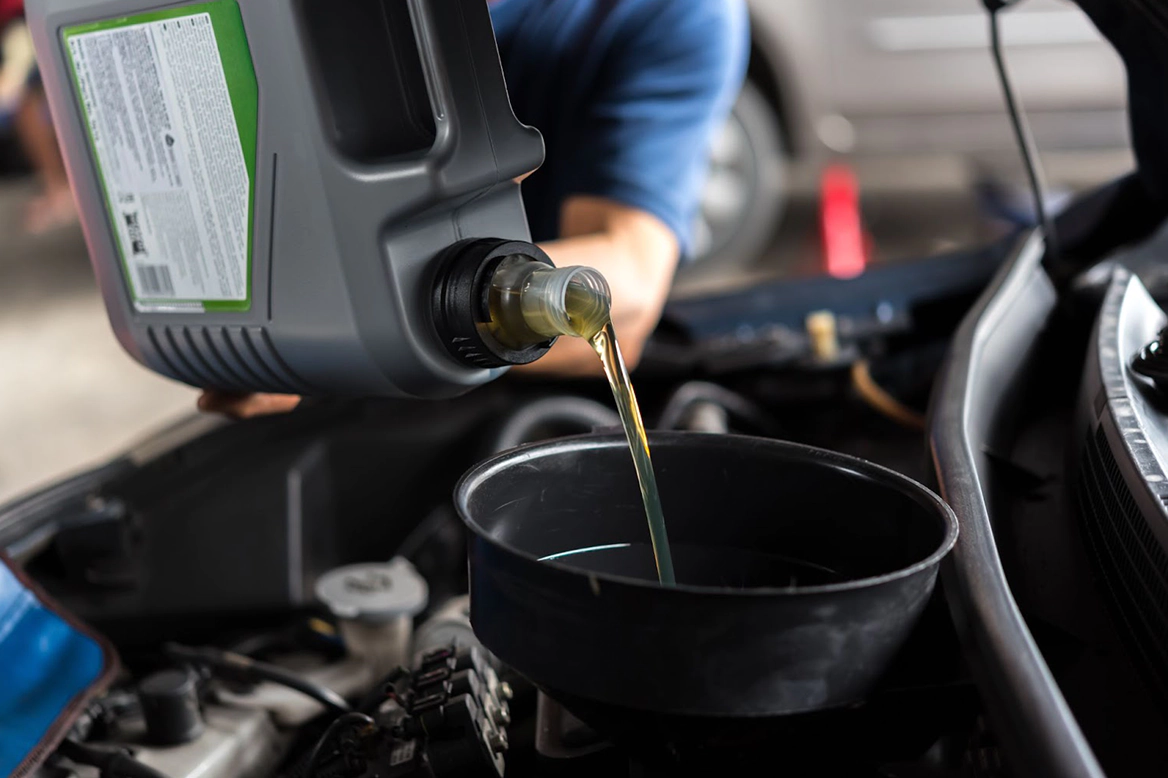
Engine oil is more than just a lubricant in your car’s engine. It plays a crucial role in keeping the engine parts moving smoothly and preventing wear. Understanding how oil affects engine performance can help you see why skipping an oil change might lead to serious issues, including your car not starting.
Oil Lubrication And Friction Reduction
Engine oil creates a thin film between metal parts, reducing friction as they move against each other. Without fresh oil, this film breaks down, causing increased friction and wear. Have you ever noticed your engine making unusual noises? That’s often a sign the oil isn’t doing its job well.
Oil’s Role In Heat Dissipation
Besides lubrication, oil carries heat away from engine parts. When oil becomes old or dirty, it loses its ability to absorb and transfer heat efficiently. Overheated components can seize up, making it hard or impossible for your engine to start.
Keeping Engine Parts Clean
Oil also traps dirt and tiny metal particles that accumulate inside the engine. Fresh oil helps carry these impurities away to the oil filter. If oil isn’t changed regularly, sludge and deposits build up, blocking oil flow and harming engine performance.
Impact On Engine Starting
Thick, degraded oil requires more effort for engine parts to move, especially during cold starts. This extra strain can prevent the engine from turning over properly. If you’ve ever struggled to start your car after skipping an oil change, you’ve experienced this firsthand.
Consequences Of Neglecting Oil Changes
Neglecting oil changes can cause serious problems for your car. Oil keeps the engine parts moving smoothly and cool. Old, dirty oil loses its ability to protect the engine. This can lead to engine damage and poor performance. Overdue oil changes may even stop your car from starting.
Engine Wear And Tear
Oil lubricates engine parts and reduces friction. Without clean oil, parts grind against each other. This causes faster wear and possible engine damage. Over time, the engine can break down or seize.
Oil Breakdown And Sludge Buildup
Old oil breaks down and loses its flow. It turns thick and sticky, forming sludge. Sludge blocks oil passages and starves the engine of lubrication. This can cause overheating and engine failure.
Reduced Engine Efficiency
Dirty oil makes the engine work harder. This lowers fuel efficiency and reduces power. The car may struggle to start or run smoothly. Engine noise and vibrations may increase as well.
Risk Of Engine Seizing
Without proper lubrication, engine parts overheat and expand. This can cause the engine to seize. A seized engine will not start and needs costly repairs or replacement.
Signs Of Oil-related Engine Issues
Oil is essential for your engine’s smooth operation. When oil changes are overdue, it can cause serious engine problems. These problems may prevent your car from starting at all. Recognizing the signs of oil-related engine issues can save you time and money.
Engine oil loses its ability to lubricate and protect parts over time. Dirty or low oil leads to increased friction and wear. Your engine may struggle to turn over or run properly as a result.
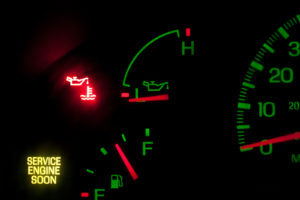
Low Oil Pressure Warning Light
The oil pressure warning light on your dashboard signals trouble. It usually means oil is too low or oil pump is failing. Ignoring this light can cause severe engine damage.
Engine Knocking Or Ticking Noise
Strange noises like knocking or ticking often come from poor oil lubrication. These sounds happen when metal parts rub without enough oil. This can damage your engine’s internal components.
Engine Overheating
Old or low oil fails to cool engine parts properly. Overheating causes the engine to seize and stop running. This is a serious sign of oil-related problems.
Difficulty Starting The Engine
Thick, dirty oil makes it harder for the engine to turn over. Your car may crank slowly or not start at all. This is common when oil changes are long overdue.
Excessive Exhaust Smoke
Burning oil can cause thick, blue or gray smoke from the exhaust. This indicates oil is leaking into the combustion chamber. It often follows poor oil maintenance.
Credit: fixautousa.com
Steps To Fix Starting Problems From Oil Neglect
Starting problems can stem from neglecting regular oil changes. Old, thick oil strains your engine and can cause it to stall or not start at all. Fixing these issues requires careful steps to restore engine health. Acting quickly helps prevent further damage and costly repairs.
Check And Replace The Engine Oil
Old oil loses its ability to lubricate engine parts. Drain the dirty oil completely. Replace it with fresh, recommended oil. Use the correct oil grade for your car model. Clean oil reduces friction and helps the engine start smoothly.
Inspect The Oil Filter
The oil filter traps dirt and debris. A clogged filter restricts oil flow and damages the engine. Replace the oil filter during every oil change. This keeps oil clean and ensures proper engine lubrication.
Examine The Battery And Electrical Connections
Starting issues may also involve battery problems. Check battery charge and terminals for corrosion. Clean the terminals and tighten connections. A healthy battery supports the engine’s starting process.
Test The Starter Motor And Ignition System
The starter motor turns the engine over. Oil neglect can affect these parts indirectly. Listen for clicking sounds or no response when turning the key. Have a mechanic test the starter and ignition system if needed.
Use Engine Flush If Recommended
Engine flush removes sludge and deposits from old oil. Use it only if the engine is very dirty. Follow product instructions carefully. After flushing, change the oil and filter again for best results.
Regular Maintenance To Prevent Future Problems
- Stick to the oil change schedule.
- Use the correct oil and filter.
- Check oil levels regularly.
- Keep the battery and electrical system clean.
These actions keep your engine healthy and prevent starting troubles from oil neglect.

Credit: gforcetyres.co.uk
Frequently Asked Questions
Can An Overdue Oil Change Prevent A Car From Starting?
Yes, an overdue oil change can cause engine problems that prevent starting. Old oil thickens, reducing lubrication and causing engine wear. This can lead to increased friction, overheating, and potential engine seizure, making it hard or impossible for the car to start.
How Does Dirty Oil Affect Car Engine Startup?
Dirty oil clogs engine components and reduces lubrication. This increases friction and engine wear, making it difficult for the engine to turn over. Over time, this can cause severe damage, potentially preventing the car from starting properly or causing it to stall soon after.
What Symptoms Indicate Oil-related Starting Issues?
Symptoms include engine knocking, rough idling, and difficulty starting. You may also notice reduced engine performance and unusual noises. These signs often indicate that the oil is old, dirty, or insufficient, causing internal engine problems that affect the car’s ability to start.
How Often Should I Change Oil To Avoid Starting Problems?
Change your oil every 3,000 to 7,500 miles, depending on your car and oil type. Regular oil changes keep the engine lubricated and clean, preventing buildup and wear. Following the manufacturer’s recommended schedule helps avoid starting issues related to overdue oil changes.
Conclusion
An overdue oil change can cause serious car problems. Old oil thickens and stops the engine from working well. This can lead to your car not starting at all. Regular oil changes keep your engine clean and running smoothly. Don’t wait too long to change your oil.
Taking care of your car helps avoid costly repairs. Simple maintenance saves time and money. Keep your vehicle healthy with timely oil changes. Your car will start easily and last longer.