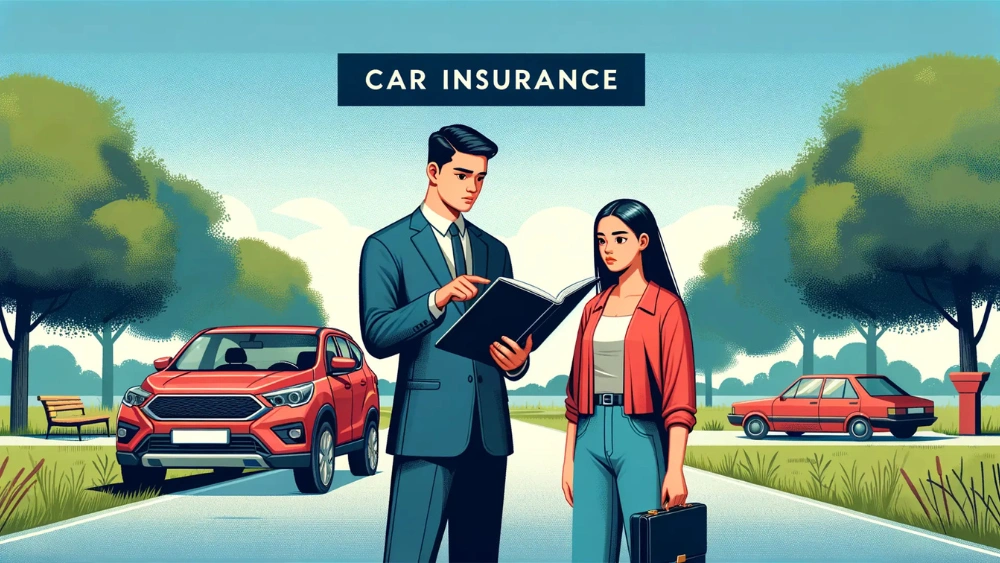
Thinking about financing a car but wondering, “Can I finance a car without insurance?” You’re not alone. Many people ask this question because insurance can feel like an extra cost or hassle.
But here’s the truth: your ability to finance a car without insurance affects more than just your wallet—it can impact your entire buying experience. You’ll discover why insurance matters when financing, what options you have, and how to protect yourself while getting the car you want.
Keep reading to find out exactly what you need to know before signing that loan agreement.
Car Financing Basics
Understanding the basics of car financing helps in making smart decisions. Car loans allow buyers to pay for a vehicle over time. The lender provides money upfront, and the buyer repays with interest.
Lenders want to reduce risk. They check the borrower’s ability to repay before approving a loan. Insurance plays a key role in protecting both parties.
How Lenders Assess Risk
Lenders study credit scores, income, and debt levels. They want to know if the borrower can make payments on time. The condition and value of the car also matter.
High risk means higher interest rates or loan denial. A strong financial profile lowers risk and improves loan terms. Lenders prefer borrowers with stable jobs and good credit history.
Typical Insurance Requirements
Lenders usually require full coverage insurance. This includes collision and comprehensive protection. It safeguards the vehicle against damage and theft.
Without insurance, lenders face financial loss if the car is damaged. Some lenders will not finance a car without proof of insurance. The buyer must maintain insurance during the loan period.
Minimum insurance limits vary by lender and state laws. Always confirm the exact requirements before financing a car.

Credit: www.goodfellowsauto.com
Consequences Of No Insurance
Choosing to finance a car without insurance might seem like a shortcut, but it carries serious consequences. Skipping insurance can affect your ability to get a loan and expose you to significant legal and financial risks. Understanding these pitfalls will help you make smarter decisions before signing any agreements.
Loan Approval Challenges
Most lenders require proof of insurance before approving a car loan. Without insurance, you might find your application rejected or delayed. Lenders see uninsured vehicles as a high risk because they could lose their investment if the car is damaged or stolen.
Even if some lenders offer loans without insurance, they often charge higher interest rates or demand larger down payments. This means you pay more over time for the same vehicle. Have you ever considered how much more expensive your loan could become simply because you skipped insurance?
Legal And Financial Risks
Driving without insurance is illegal in almost every state, and the penalties can be severe. You could face hefty fines, license suspension, or even jail time depending on where you live. These consequences can quickly outweigh any money saved by not buying insurance.
If you cause an accident without insurance, you’re responsible for all damages and medical bills out of pocket. This can lead to financial ruin if the costs are high. Insurance protects you from these unexpected expenses and legal battles that could drain your savings.
Think about it this way: Is saving on insurance really worth risking your financial future and legal standing? Most people find it’s not a risk worth taking.
Alternatives And Solutions
If you’re wondering about financing a car without insurance, it’s important to know there are alternatives and solutions that can help you navigate this challenge. While most lenders require insurance, you can explore temporary options or negotiate terms that suit your situation. These approaches may provide the flexibility you need to get behind the wheel legally and safely.
Temporary Insurance Options
Temporary insurance can be a smart way to meet lender requirements without committing to a full policy upfront. Many insurance companies offer short-term plans that last from a few days up to a month. This can cover you just long enough to finalize your financing and register your vehicle.
For example, if you only need coverage during the car purchase process, a temporary policy can save you money while keeping you protected. You might also find pay-per-mile insurance or usage-based plans helpful if you don’t plan to drive often right away.
Have you checked if your state offers low-cost temporary insurance programs? These can be a practical step to bridge the gap and avoid any legal trouble while financing your car.
Negotiating With Lenders
Not all lenders have the same strict insurance requirements. Some might be willing to accept a proof of future insurance or a binder from your insurance company. This is a temporary document that shows you are in the process of getting full coverage.
It’s worth asking lenders if they can offer flexibility on their insurance policies. Sometimes, providing a larger down payment or agreeing to higher interest rates can give you more negotiation power. This approach shows your commitment and reduces the lender’s risk.
Also, consider smaller financial institutions or credit unions, which often have more personalized service. They might work with you to find a solution that fits your unique financial situation.
Could a conversation with your lender open doors you didn’t expect? Don’t hesitate to ask what options are available—after all, it’s in their interest to help you secure financing and keep the loan performing well.

Credit: www.humberviewgroup.com
Frequently Asked Questions
Can I Finance A Car Without Insurance?
No, lenders require active insurance before financing a car. Insurance protects their investment and meets legal requirements.
Why Do Lenders Require Car Insurance For Financing?
Lenders need insurance to minimize financial risk if the car is damaged or totaled during the loan term.
Can I Buy Insurance After Financing A Car?
Yes, but you must provide proof of insurance immediately after financing to finalize the loan agreement.
What Happens If I Finance A Car Without Insurance?
Your lender will likely reject the financing or require you to get insurance before approval.
Conclusion
Understanding car financing without insurance is crucial. Lenders often require insurance. It protects their investment. You need insurance for driving legally too. It’s important for your safety and others’. Always check with your lender about their insurance requirements. Consider the benefits of having coverage.
It can prevent future financial burdens. Make informed decisions about your car and finances. Remember, being informed helps you manage risks. Stay safe and drive responsibly.