
Have you ever wondered if it’s safe to leave your car running while filling your tires? It’s a simple question, but the answer can affect your safety and your vehicle’s performance.
You might think it’s no big deal, but what if leaving your engine on puts you at risk or causes unexpected problems? By understanding the right way to handle this common task, you can protect yourself, save money, and keep your car in top shape.
Keep reading to find out what experts say and what you should always do when filling your tires.
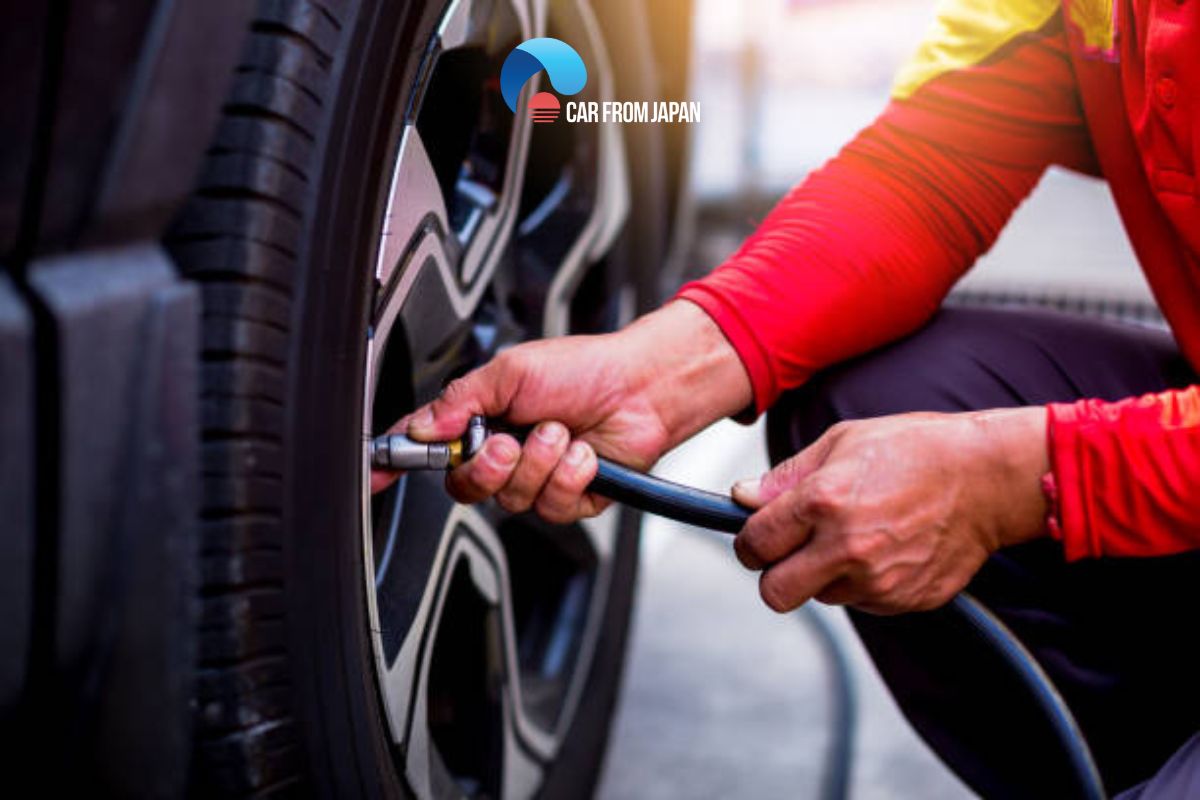
Credit: carfromjapan.com
Risks Of Leaving Car On During Tire Inflation
Leaving your car on while filling tires may seem harmless. Yet, it carries several risks that many drivers overlook. Understanding these dangers helps keep you and your vehicle safe during tire inflation.
Safety Hazards Around Moving Parts
A running engine means moving belts and fans under the hood. These parts can cause injury if you reach near them. Inflating tires requires attention close to the wheels, where risk of sudden movement exists. Keeping the car off reduces chances of accidents.
Risk Of Vehicle Rolling
An engine left on may cause the vehicle to move unexpectedly. This is especially true if the parking brake is not fully engaged. The car could roll forward or backward, causing injury or damage. Turning the engine off ensures the car stays still.
Battery Drain And Fuel Use
Leaving the car on wastes fuel during a short task like tire inflation. It also drains the battery if accessories like lights or radio remain on. Shutting off the engine conserves fuel and battery power.
Environmental Impact
Idling engines release unnecessary exhaust gases. These gases pollute the air and harm the environment. Turning off the car helps reduce emissions and protect air quality.
Potential For Tire Overheating
Some tire inflators rely on the car’s power supply. Leaving the engine on can cause the inflator to overheat if used too long. This may damage the equipment or tire valve. Turning off the engine prevents this risk.

Credit: carfromjapan.com
Safe Practices For Tire Filling
Filling your tires seems like a quick task, but practicing safety can make all the difference. Whether you’re at a gas station or using a home air compressor, knowing the right steps protects both you and your vehicle. Let’s explore how to handle tire inflation safely and effectively.
Turning Off Your Engine During Tire Filling
Leaving your car running while filling tires might feel convenient, especially if it’s cold outside and you want the heater on. However, it’s safer to turn off the engine. An idling engine poses risks like accidental movement or carbon monoxide buildup, especially in enclosed areas.
Think about the last time you filled tires with the engine on—did you feel uneasy or notice fumes? Turning off your engine eliminates these worries and keeps you focused on the task.
Choosing The Right Location For Filling Tires
Where you fill your tires matters. A flat, stable surface is ideal to prevent the car from rolling or shifting. Avoid busy, tight spots where distractions or passing traffic could cause accidents.
Have you ever tried inflating tires in a cramped spot? It’s tricky and unsafe. Pick a well-lit, open area where you can move around freely and check your tires thoroughly.
Using The Correct Tire Pressure And Equipment
Always check your vehicle’s recommended tire pressure, usually found on the driver’s door jamb or owner’s manual. Overinflating or underinflating tires can affect your car’s performance and safety.
Invest in a reliable pressure gauge and use it frequently during filling. Don’t rely solely on the air pump’s gauge, as they can be inaccurate. This attention to detail ensures your tires are filled just right.
Securing The Air Hose And Valve Stem
Make sure the air hose is firmly attached to the valve stem before turning on the air. A loose connection can cause air leaks or sudden bursts that might startle you or cause injury.
Have you experienced the hose slipping off mid-fill? It’s not just frustrating—it can be dangerous. Hold the hose steady and double-check the connection to avoid mishaps.
Monitoring Tire Temperature And Condition
Filling cold tires is best because heat affects pressure readings. If you’ve driven recently, wait for the tires to cool down before inflating them.
Check the tire for visible damage or wear before adding air. Inflating a damaged tire can lead to blowouts or unsafe driving conditions. Safety starts with inspection.
Tools And Equipment For Safe Tire Inflation
Having the right tools and equipment makes tire inflation safer and easier. Using proper gear helps you avoid accidents and ensures your tires get the correct pressure. It’s not just about inflating; it’s about doing it right every time.
Air Compressor Or Tire Inflator
An air compressor or a portable tire inflator is essential for adding air quickly and accurately. Hand pumps work, but they take much longer and require more effort. A good compressor lets you control the pressure and stops automatically once the desired level is reached.
I once tried inflating my tires with a manual pump on a cold morning, and it took forever. Having a reliable compressor now saves me time and hassle, especially on busy days.
Tire Pressure Gauge
A tire pressure gauge is your best friend for checking how much air is actually in your tires. Even if your inflator has a built-in gauge, having a separate one lets you double-check for accuracy. Digital gauges give quick, easy-to-read results, while analog ones are durable and simple.
Have you ever wondered if your tires are really at the right pressure? Skipping this step can lead to uneven wear or poor fuel efficiency.
Valve Stem Caps And Cleaners
Valve stem caps protect the valve from dirt and moisture, which can cause leaks or damage. Always check if the cap is secure before inflating. You can also use a valve stem cleaner tool to remove debris before attaching your inflator.
Keeping the valve clean and capped might seem minor, but it prevents many frustrating leaks that I’ve dealt with in the past.
Safety Gloves And Eye Protection
Wearing safety gloves protects your hands from dirt and sharp objects around the tire. Eye protection is important too, especially if you’re using a powerful compressor. Small debris or sudden bursts of air can cause injury if you’re not careful.
Taking these simple precautions helped me avoid a nasty eye injury once when a valve popped unexpectedly.

Credit: www.reddit.com
Frequently Asked Questions
Can I Keep My Engine Running While Inflating Tires?
Yes, it is generally safe to keep your engine running during tire inflation. However, ensure the vehicle is in park and the parking brake is engaged for safety.
Does Leaving The Car On Affect Tire Pressure Accuracy?
Keeping the car on does not significantly affect tire pressure readings. For the most accurate reading, measure tire pressure when tires are cold and the car is stationary.
Are There Safety Risks With Car On During Tire Filling?
Leaving the car on poses minimal risks if in park and brake applied. Avoid filling tires near flammable materials or open flames for safety.
Should I Turn Off The Car To Avoid Battery Drain?
It’s not necessary to turn off your car to prevent battery drain when filling tires. Modern vehicles handle short engine idling without battery issues.
Conclusion
Leaving your car on while filling tires is usually safe but not always best. Keep the engine running only if the car is in park and brakes are on. Always stay near your vehicle to watch for any problems. Turning off the car can reduce risks and save fuel.
Safety matters most, so take simple steps to protect yourself. Tire pressure helps your car drive well and stay safe. Remember, small habits make a big difference on the road. Stay alert and keep your car in good shape.