
Have you ever wondered if your insurance company can say no when it’s time to fix your car? You might assume that once you pay your premiums, they’ll cover every repair without question.
But the truth isn’t always that simple. Understanding when and why insurance might refuse to pay for car repairs can save you from unexpected bills and frustration. Keep reading to discover what factors can affect your claim and how to protect yourself from getting stuck with repair costs you didn’t expect.
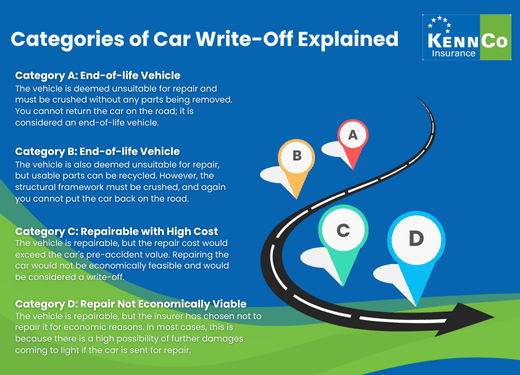
Credit: www.kennco.ie
When Insurers Deny Claims
Insurance companies can deny your claim for car repairs, leaving you frustrated and out of pocket. Understanding why this happens helps you avoid surprises and strengthens your position when dealing with insurers. Knowing the common reasons and policy details puts you in control.
Common Reasons For Refusal
Insurers often refuse claims due to simple but critical issues. One frequent reason is late reporting of the accident or damage. If you don’t notify your insurer within the required timeframe, your claim may be rejected.
Another common reason is lack of proper documentation. Missing police reports, repair estimates, or photos can lead to denial. Sometimes, insurers suspect fraud if the damage doesn’t match the accident description.
Have you ever wondered why your claim was denied despite paying your premiums on time? It might be because the damage resulted from an excluded event, or your policy limits were exceeded. Keep these factors in mind when filing a claim.
Policy Exclusions To Watch
Your insurance policy contains specific exclusions that can stop claims from being paid. Common exclusions include damages from natural disasters like floods or earthquakes, unless you purchased additional coverage.
Wear and tear or mechanical failures are usually not covered. If your car breaks down due to old parts or poor maintenance, insurance won’t pay for repairs. This is why regular upkeep is essential to avoid unexpected expenses.
Another exclusion is using your vehicle for commercial purposes when your policy covers only personal use. Misusing your car can void your claim entirely. Always review your policy’s fine print to know what’s covered and what isn’t.

Credit: www.youtube.com
Steps To Challenge Denied Repairs
Challenging denied car repairs by insurance requires a clear plan. Start by collecting all necessary documents. Understand the reason for denial carefully. Follow a systematic approach to increase chances of success.
Gathering Evidence
Collect repair estimates from trusted mechanics. Obtain detailed reports and photos of the damage. Keep all communication records with the insurance company. Gather your insurance policy and claim documents. Evidence helps prove your case effectively.
Filing Appeals
Write a clear appeal letter stating why repairs should be paid. Include all gathered evidence and repair estimates. Submit the appeal within the insurance company’s deadline. Follow their appeal process strictly. Persistence can lead to reconsideration of your claim.
Seeking Legal Help
Contact a lawyer if appeals fail or become complicated. A legal expert understands insurance laws and rights. They can negotiate or represent you in disputes. Legal help increases your chances of a fair resolution.
Preventing Payment Issues
Dealing with insurance payment issues after a car accident can be frustrating and costly. Preventing these problems starts well before you file a claim. Taking proactive steps can save you from unexpected denial of coverage or delayed repairs.
Choosing The Right Coverage
Your choice of insurance coverage directly affects whether your claim will be approved. Basic liability may not cover all types of damage, so consider adding collision or comprehensive coverage if you want broader protection.
Think about your daily driving habits and the value of your car. If you drive in high-traffic areas or park on the street, extra coverage could protect you from theft or vandalism. Have you reviewed your policy lately to see if it matches your current needs?
Maintaining Proper Documentation
Insurance companies require clear proof to process claims quickly. Keep detailed records of the accident, including photos, police reports, and witness statements. These documents can make a big difference when insurers evaluate your case.
After the accident, note down everything—time, location, what happened, and damages. Save all repair estimates and receipts. Without proper documentation, your claim may face unnecessary delays or even denial.
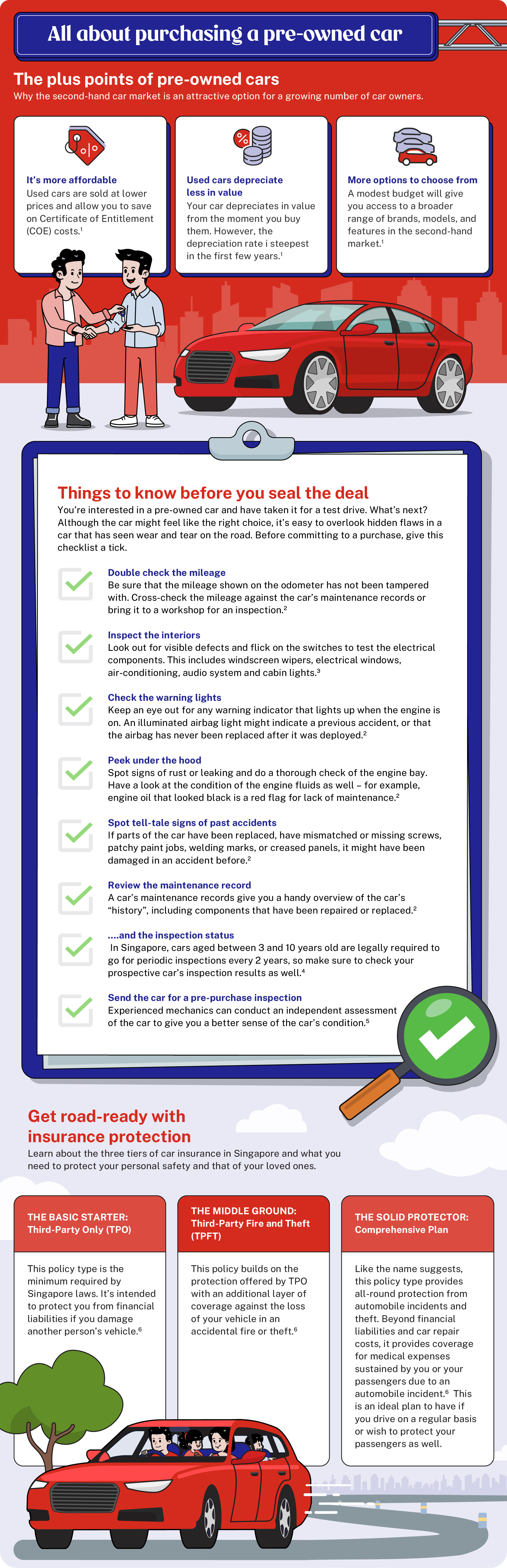
Credit: www.greateasternlife.com
Frequently Asked Questions
Can Insurance Refuse To Pay For Car Repairs?
Yes, insurers can deny claims if policy terms are unmet, damage isn’t covered, or there’s fraud. Always review your policy carefully and document repairs properly.
What Reasons Cause Insurance To Deny Car Repair Claims?
Common reasons include policy exclusions, late reporting, lack of coverage, or disputed fault. Understanding your policy and timely claims filing helps avoid denials.
How To Appeal If Insurance Refuses Car Repair Payment?
Contact your insurer, provide additional evidence, and request a claim review. If unresolved, consider mediation or legal advice to protect your rights.
Does Insurance Cover All Types Of Car Repair Damages?
No, coverage depends on your policy type and specific exclusions. Comprehensive policies cover most damages, but liability-only policies do not cover your repairs.
Conclusion
Car insurance can sometimes deny repair claims. Reasons vary. Policy terms matter. Always read your policy carefully. Understand what’s covered. Keep records of accidents and repairs. They help with claims. Communication with the insurer is key. Ask questions. Clarify doubts.
In case of disputes, seek legal advice. Knowing your rights helps. Being informed is essential. It ensures fair treatment. So, stay proactive. Protect your interests with knowledge.