
Have you ever wondered if jack stands can actually lift your car? Maybe you’re planning some repairs or maintenance and want to be sure you’re using the right tools safely.
Understanding what jack stands can do—and what they can’t—is crucial for your safety and the success of your project. You’ll discover how jack stands work, when to use them, and important tips to keep you and your vehicle secure. Keep reading, because knowing this could save you time, money, and a lot of trouble.

Credit: www.reddit.com
How Jack Stands Work
Understanding how jack stands work is key to using them safely and effectively. Jack stands don’t actually lift your car; they hold it up after a jack has done the lifting. This simple but crucial function keeps your vehicle stable while you work underneath it.
Basic Design Of Jack Stands
Jack stands usually have a sturdy metal frame and a support arm or saddle that holds the car. The height can be adjusted by raising or lowering a ratchet or pin mechanism. This design lets you set the stand at the right height to securely support your car.
How Jack Stands Support Weight
Once your car is lifted by a jack, you slide the jack stand under a solid part of the vehicle’s frame. The weight transfers from the jack to the stand, which locks in place. This setup prevents any sudden drops if the hydraulic jack fails.
Safety Features Built In
Most jack stands have locking mechanisms to prevent accidental lowering. Some use a ratchet bar with a pawl, while others have a pin you insert through aligned holes. These features ensure the stand stays locked even under heavy loads.
Choosing The Right Spot For Jack Stands
Placement is critical. Always position jack stands on flat, stable ground under manufacturer-recommended lift points. Incorrect placement can cause the stand to slip or the vehicle to fall. Have you ever thought about how much damage a small mistake here could cause?
Why You Should Never Rely Solely On A Jack
Hydraulic jacks are great for lifting but not for holding. They can lose pressure or fail without warning. Jack stands provide a reliable, mechanical support that keeps your car steady and your work safe.
Choosing The Right Jack Stand
Choosing the right jack stand is crucial for car safety and stability. A good jack stand supports the vehicle securely during repairs. It prevents accidents and damage to the car. Picking the correct stand depends on weight capacity, height, and build quality. Understanding these factors helps ensure safe use and peace of mind.
Weight Capacity
Check the jack stand’s weight limit before buying. It should hold more than your car’s weight. Using a stand with low capacity is dangerous. Always choose a stand with a higher weight rating for safety.
Height Range
Select a jack stand with an adjustable height that fits your car. It must lift the vehicle high enough for your work. Too short or too tall stands cause instability. Adjustable stands offer more flexibility.
Material And Build Quality
Look for stands made from strong materials like steel. Good build quality means better durability and safety. Avoid cheap stands with weak welds or thin metal. Solid construction holds the car firmly without bending or breaking.
Base Design
A wide, stable base reduces the chance of tipping. Some stands have triangular or square bases for extra support. A stable base is key for uneven surfaces or rough ground. Always place stands on flat, firm ground.
Locking Mechanism
The locking system keeps the stand at the desired height. Choose stands with reliable locks that won’t slip under load. Pin or ratchet locks are common and secure. Test the lock before using the stand under the car.
Safe Lifting Procedures
Using jack stands to lift a car demands careful attention to safety. Incorrect lifting can cause serious injuries or damage. Follow proper steps to ensure stable and secure support under the vehicle. Safety must come first every time you lift your car.
Choose A Level And Solid Surface
Place the car on flat, solid ground before lifting. Avoid soft or sloped areas that can cause stands to shift or sink.
Engage The Parking Brake And Block Wheels
Set the parking brake firmly. Use wheel chocks on the opposite wheels to stop any movement during lifting.
Locate The Manufacturer’s Jack Points
Find the car’s recommended lift points in the owner’s manual. Position the jack and stands exactly at these points for stability.
Lift The Vehicle Slowly And Evenly
Use the jack to raise the car gently. Avoid sudden movements to prevent tipping or slipping of the stands.
Securely Position Jack Stands Under The Vehicle
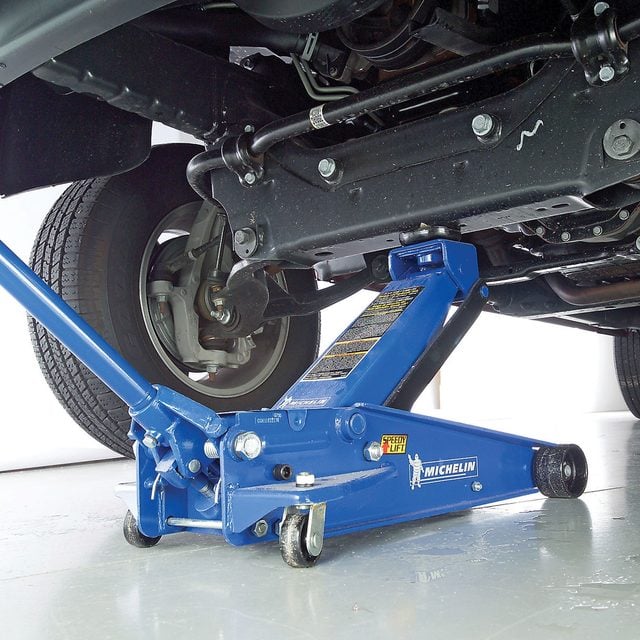
Slide the jack stands under the lift points. Adjust their height to fit tightly and lock them in place before lowering the car onto them.
Lower The Vehicle Carefully Onto The Stands
Slowly release the jack pressure so the car rests firmly on the stands. Check that the vehicle is stable before working underneath.
Double-check Stability Before Starting Work
- Shake the car gently to confirm it is secure.
- Ensure jack stands are properly locked and on solid ground.
- Never rely on the jack alone to hold the vehicle.
Credit: www.familyhandyman.com
Common Mistakes To Avoid
Using jack stands safely is crucial when working under a car. Many people make simple mistakes that can cause accidents or damage. Avoiding these errors keeps you safe and protects your vehicle.
Understanding common pitfalls helps you use jack stands correctly. This section highlights key mistakes to watch out for.
Choosing The Wrong Jack Stand Capacity
Always select jack stands that support more than your car’s weight. Using stands with lower capacity is dangerous and can cause collapse.
Placing Jack Stands On Uneven Surfaces
Jack stands must sit on flat, solid ground. Soft or sloped surfaces can make them tip over easily.
Incorrect Jack Stand Positioning
Place stands under the car’s recommended lifting points. Avoid spots that can bend or break under pressure.
Failing To Secure The Car Before Lifting
Engage the parking brake and chock the wheels. This prevents the car from rolling off the stands.
Not Using Both Jack Stands And A Jack Together
Never rely on a jack alone to hold the car up. Always use jack stands to support the weight safely.
Ignoring Regular Inspection Of Jack Stands
Check stands for cracks, rust, or damage before use. Damaged equipment can fail unexpectedly.

Credit: www.reddit.com
Frequently Asked Questions
Can Jack Stands Actually Lift A Car Safely?
No, jack stands do not lift a car. They support the vehicle after a jack raises it. Always use a jack first to lift, then place jack stands for safety.
What Is The Purpose Of Jack Stands Under A Car?
Jack stands provide stable support when working under a car. They prevent accidents by holding the vehicle securely after it is lifted.
Can I Use Jack Stands Alone To Lift A Car?
No, jack stands alone cannot lift a car. Use a hydraulic or scissor jack to lift first, then place jack stands to hold the vehicle.
How Much Weight Can Jack Stands Hold?
Jack stands typically hold between 2 to 6 tons, depending on their rating. Always check the stand’s maximum capacity before use.
Conclusion
Jack stands can safely lift a car when used correctly. Always place them on solid ground. Check the weight limit before lifting your vehicle. Never rely on a jack alone to hold the car. Use jack stands to prevent accidents and injuries.
Take time to position them under strong points. Safety should be your top priority during any lift. With care and the right tools, you can work under your car safely. Remember, proper use of jack stands protects both you and your vehicle.