
Have you ever wondered if you can put tire chains on any car? When winter roads get icy and slippery, tire chains can be a lifesaver.
But not every car is built the same, and using chains incorrectly can cause damage or even be unsafe. You want to know if your vehicle is ready for them, right? Keep reading to find out exactly when and how you can use tire chains on your car—and avoid costly mistakes that might put you at risk.
This simple knowledge could make all the difference on your next snowy drive.
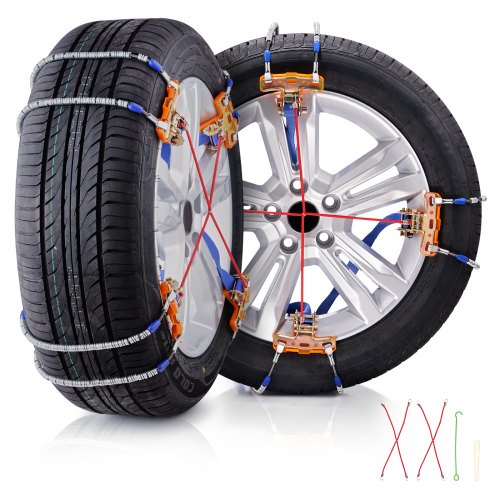
Credit: www.vevor.ca
Types Of Cars And Tire Chains
Not all tire chains fit every car the same way. Different types of vehicles need specific chains to match their tire size, wheel clearance, and driving conditions. Understanding these differences helps you pick the right chains that keep your drive safe without damaging your car.
Compatibility With Passenger Cars
Passenger cars usually have limited space around the tires, so you need low-profile chains designed to avoid contact with brake lines and suspension parts.
Standard chains might be too bulky and could cause damage or poor performance. Look for chains labeled “compact” or “low clearance” to ensure a proper fit.
Have you checked your car’s manual? Many manufacturers list approved chains or warn against using certain types.
Suvs And Trucks
SUVs and trucks often have larger tires and more space around the wheels, giving you more chain options. Heavy-duty or industrial chains often work well here.
These vehicles can handle thicker, more aggressive chains that provide better traction on deep snow or ice. But remember, the tire size still matters—always match the chains to your exact tire dimensions.
One time, I used heavy-duty chains on my truck during a mountain trip, and they performed well without any clearance issues.
Electric And Hybrid Vehicles
Electric and hybrid cars usually have tighter wheel wells because of battery placement, which limits the space for chains.
Some EV and hybrid models require special chains approved by the manufacturer to prevent damage to sensitive components.
Before buying, ask yourself: Does your vehicle have enough clearance? Can the chains avoid contact with battery packs or sensors?
Choosing the right chains here is crucial to avoid costly repairs and maintain your car’s warranty.

Credit: www.youtube.com
Tire Chain Installation Limits
Installing tire chains may seem like a straightforward way to improve traction in snowy or icy conditions, but not every car is built to handle them. Understanding the limits around tire chain installation can save you from costly damage and ensure your safety on the road. Let’s break down the key restrictions you should know before adding chains to your tires.
Clearance Issues
One of the biggest challenges with tire chains is whether there’s enough space around your tires. Cars with low wheel wells, tight suspension setups, or limited clearance between the tire and body can suffer damage if chains are forced on.
Some modern vehicles, especially those with sport suspensions or large brakes, have minimal room for chains. If the chains rub against suspension components, brake lines, or the body, it can cause serious wear or even failure. Have you checked the gap between your tires and wheel wells? Measuring this clearance before buying chains can prevent expensive repairs.
Manufacturer Restrictions
Many vehicle manufacturers explicitly advise against using tire chains on certain models or tires. This is common for vehicles with low-profile tires or those equipped with advanced traction systems.
For example, some sports cars and crossovers come with warning labels in the owner’s manual about chain use. Ignoring these guidelines might void your warranty or cause damage not covered by insurance. Always consult your vehicle’s manual or dealer before installing chains—are you sure your car’s manufacturer approves them?
Impact On Vehicle Systems
Tire chains don’t just affect the tires—they can interfere with your vehicle’s safety and performance systems. Anti-lock braking systems (ABS), traction control, and electronic stability control rely on accurate wheel rotation data.
Adding chains might cause these systems to behave unpredictably or malfunction. Some cars with sensors close to the wheels may also be physically damaged by chains. Have you considered how chains might interact with your car’s technology before installing them?
Choosing The Right Chains
Choosing the right tire chains for your vehicle is more than just picking a set that fits. The type of chains, their material, and design can significantly impact your car’s performance and safety on snowy or icy roads. Understanding these factors helps you avoid damage to your tires or car while ensuring you get the grip you need.
Chain Materials And Designs
Tire chains come in different materials like steel, alloy, and even synthetic options. Steel chains are durable and provide strong traction but can be heavy and noisy. Alloy chains are lighter and less damaging to roads but might wear out faster.
The design of the chain also matters. Cross chains, ladder chains, and cable chains each offer different levels of grip and ease of installation. For example, cable chains are easier to put on but may not provide as much traction as traditional ladder chains.
Think about your typical driving conditions. Do you often drive on icy highways or just occasionally on snowy country roads? Your choice of material and design should match these needs.
Legal Requirements By Region
Did you know that tire chain laws vary widely depending on where you drive? Some states or countries require chains during certain weather conditions, while others might ban specific types of chains to protect road surfaces.
Before buying chains, check your local regulations. This could save you from fines or damage claims if you use the wrong chains in your area.
For example, California allows chains only in certain mountain areas during winter, and some places require you to carry chains even if you don’t have to use them right away.
Alternatives To Tire Chains
If chains seem complicated or your car isn’t compatible, alternatives exist. Snow socks are fabric covers that slip over tires for added grip and are easier to install than chains.
Another option is studded tires, which offer excellent traction on ice but are often restricted by law due to road wear concerns.
Consider traction mats or even all-wheel drive systems if you face frequent winter driving. These options can sometimes offer a safer or more convenient choice than chains.

Credit: autosock.us
Frequently Asked Questions
Can Tire Chains Damage My Car?
Tire chains can damage your car if improperly installed or used on incompatible vehicles. Always check your owner’s manual for compatibility and follow installation instructions carefully to avoid damage to tires, suspension, or bodywork.
Are Tire Chains Legal On All Roads?
Tire chain legality varies by location and road conditions. Some areas require chains during winter, while others restrict their use to prevent road damage. Always check local laws before using tire chains to ensure compliance.
Which Vehicles Can Use Tire Chains Safely?
Most trucks, SUVs, and cars with adequate tire clearance can use chains. However, some vehicles with limited space between tires and wheel wells may not be suitable. Consult your vehicle manual to confirm if chains are safe for your car.
How Do I Choose The Right Tire Chains?
Choose tire chains based on your tire size, vehicle type, and driving conditions. Ensure chains fit snugly and match your tire specifications. Proper selection improves safety and prevents damage during snowy or icy driving.
Conclusion
Not every car can fit tire chains safely. Always check your vehicle’s manual first. Some cars have little space around tires. Chains might cause damage or not fit well. Choose the right chains for your tire size. Proper use helps improve grip on snow or ice.
Drive carefully even with chains on. Safety should always come first on slippery roads. Knowing your car’s limits keeps you and others safe. Stay prepared and informed before adding tire chains.