
Have you ever stepped outside on a cold morning, only to find your car windows covered in a thick layer of frost? It’s frustrating, time-consuming, and can make your daily routine harder than it needs to be.
But what if there was a simple way to protect your car from frost overnight? You might be wondering—do car covers actually stop frost? You’ll discover how car covers work, whether they really keep frost at bay, and how choosing the right one can save you time and hassle every chilly morning.
Keep reading to find out how to protect your car and start your day smoothly.
Credit: www.alder.in
How Frost Forms On Cars
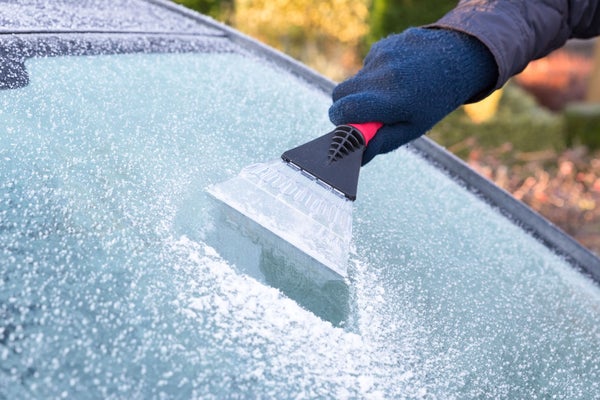
Frost on cars appears after cold nights and clear skies. It forms when moisture in the air turns into ice on cold surfaces like your car’s windows and hood. Understanding how frost forms helps explain why car covers can help prevent it.
The process starts with the temperature drop. When the surface of the car cools below the air’s dew point and freezing point, water vapor changes into tiny ice crystals. These ice crystals collect and create frost.
Temperature And Dew Point
The dew point is the temperature where air becomes saturated with moisture. When the car’s surface temperature falls below this point, moisture starts to condense. If it’s below freezing, frost forms instead of liquid water.
Clear Skies And Calm Winds
Clear skies let heat escape quickly from the car’s surface. Calm winds keep cold air still around the car. These conditions increase the chance of frost forming by cooling the car faster.
Humidity And Moisture In The Air
High humidity means more water vapor is in the air. More moisture means more frost can form. Dry air reduces frost because there is less moisture to freeze.
Car Surface Material And Color
Metal and glass lose heat faster than plastic or painted surfaces. Dark colors absorb heat during the day but cool quickly at night. This affects how much frost appears on the car.
Credit: www.barum-tyres.com
Effectiveness Of Car Covers Against Frost
Car covers offer a simple way to protect vehicles from frost. Their effectiveness depends on material, fit, and weather conditions. A good cover can reduce frost buildup on windshields and windows. This saves time and effort in the morning. Below are key points explaining how car covers work against frost.
How Car Covers Prevent Frost Formation
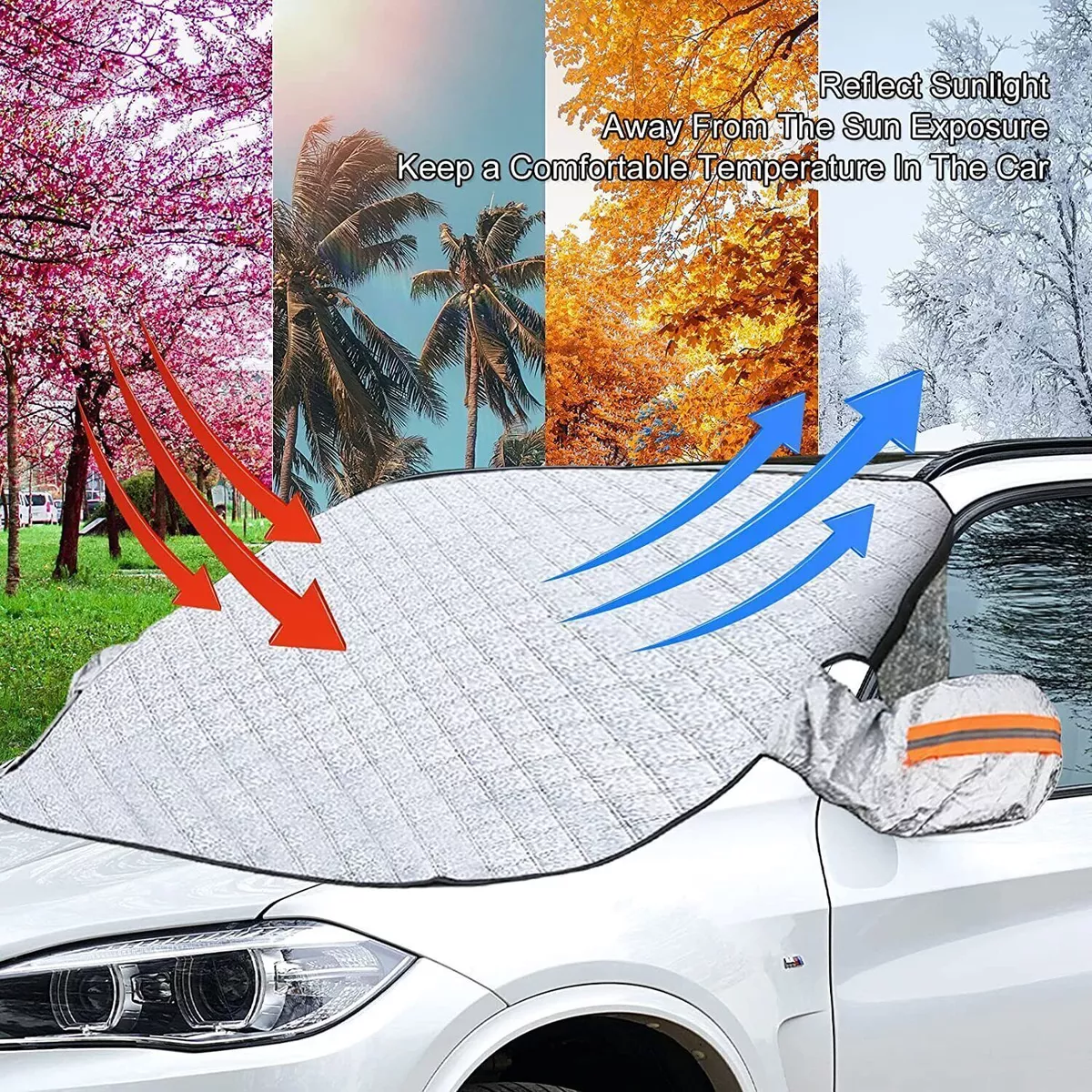
Car covers block moisture from settling on the car’s surface. They create a barrier between the cold air and the glass. This stops frost from forming directly on the windshield and windows. Covers also reduce heat loss from the car, keeping the glass slightly warmer.
Material Types And Frost Protection
- Fleece-lined covers offer better insulation against cold.
- Polyester covers repel water, reducing frost buildup.
- Breathable fabrics prevent moisture trapping under the cover.
- Heavy-duty covers provide extra protection in very cold climates.
Proper Fit And Its Role In Frost Prevention
A well-fitted cover stays tight and prevents cold air from reaching the car. Loose covers allow air and moisture underneath, reducing frost protection. Covers with elastic edges or straps hold better during windy conditions. A snug fit improves overall frost prevention.
Limitations Of Car Covers In Extreme Frost
In very cold temperatures, some frost may still form. Covers cannot fully stop moisture if the air is very humid. Ice buildup can occur on edges not covered properly. Regular checks and proper cover placement help reduce these issues.
Benefits Beyond Frost Protection
- Prevents dirt and debris from settling on the car.
- Protects paint from sun damage and bird droppings.
- Keeps the interior cooler on sunny winter days.
Choosing And Using Car Covers Properly
Choosing and using car covers properly helps protect your vehicle from frost and other harsh weather. The right cover can keep frost off your windshield and body. Using it correctly ensures the cover works well and lasts longer.
Material Matters For Frost Protection
Pick a cover made from thick, weather-resistant fabric. Materials like polyester with a fleece lining work best. They block moisture and prevent frost from sticking. Avoid thin covers that let cold air and ice through.
Size And Fit Are Important
Select a cover that fits your car snugly. A loose cover can blow off in wind or let frost in. Check the dimensions before buying. Covers with elastic edges or straps hold better.
How To Put On Your Car Cover
Start with a clean, dry car to avoid trapping dirt or moisture. Unfold the cover fully before placing it on the car. Cover from front to back, smoothing out wrinkles. Secure straps or ties to keep it tight.
Removing And Storing The Cover
Lift the cover carefully to avoid dragging frost or dirt inside. Fold it neatly and store it in a dry place. Clean the cover regularly to keep it working well and to stop damage.

Credit: www.amazon.com
Frequently Asked Questions
Do Car Covers Prevent Frost Buildup Effectively?
Yes, car covers create a barrier that limits frost formation. They protect your windshield and paint from ice and frost damage, making morning cleanup easier and faster.
What Materials Are Best For Frost-resistant Car Covers?
Frost-resistant car covers are made from waterproof and breathable fabrics. Materials like polyester with a fleece lining work well to block frost and moisture without trapping condensation.
Can Car Covers Damage Paint In Cold Weather?
No, quality car covers with soft linings protect paint. They prevent frost and scratches when used properly, ensuring your car’s finish remains intact during winter.
How Should I Use A Car Cover To Stop Frost?
Ensure the cover fits snugly and covers the entire vehicle. Avoid placing it on a wet car to prevent moisture buildup under the cover.
Conclusion
Car covers can help reduce frost on your vehicle’s surface. They create a barrier that stops moisture from settling. This means less scraping and less damage to your car’s paint. Not all covers work the same, so choose one made for frost protection.
Using a car cover saves time on cold mornings. It also keeps your windshield clearer for safer driving. Overall, a good cover is a simple way to protect your car in winter. Worth considering for anyone dealing with frost regularly.