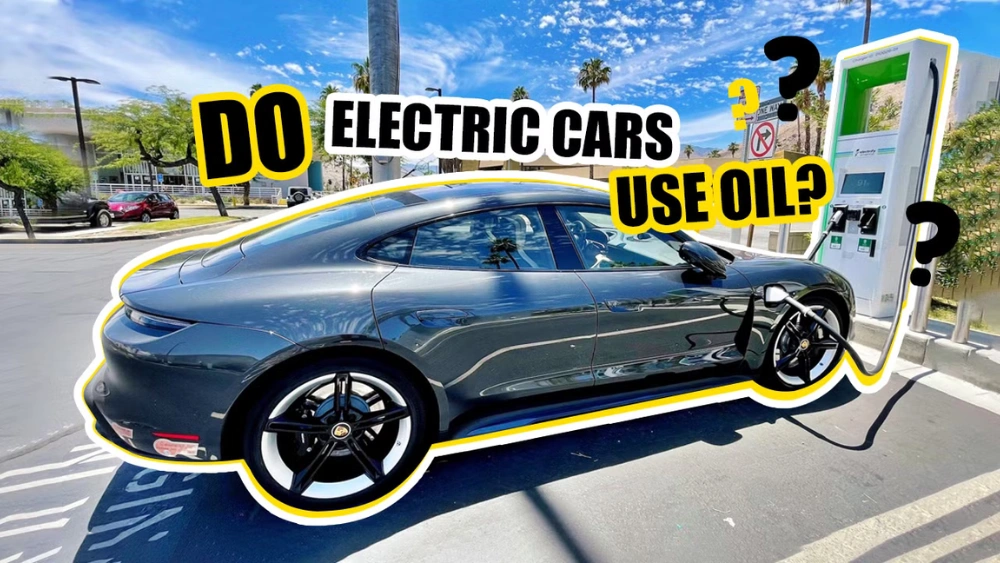
Are you wondering if your electric car needs oil changes like a regular gas vehicle? It’s a common question that many new electric car owners have.
Understanding how electric cars work can save you time, money, and hassle. Keep reading to find out the truth about oil changes and what maintenance your electric car really needs. This simple knowledge could change the way you care for your car forever.
How Traditional Cars Use Oil
Traditional cars run on internal combustion engines. These engines burn fuel to power the vehicle. Engine oil plays a key role in keeping these engines healthy. It reduces friction, cools parts, and prevents wear. Without oil, the engine parts would grind and fail quickly. This makes oil a vital component in traditional car maintenance.
Role Of Engine Oil
Engine oil lubricates moving parts inside the engine. It forms a thin layer between metal surfaces. This layer stops direct contact and reduces friction. Oil also helps carry away heat from hot engine parts. It cleans the engine by trapping dirt and debris. Over time, oil breaks down and becomes less effective. Fresh oil keeps the engine running smoothly.
Oil Change Frequency
Oil changes are necessary to maintain engine health. Old oil loses its ability to lubricate and protect. Most cars need an oil change every 3,000 to 7,500 miles. This depends on the car model and driving conditions. Regular oil changes prevent engine wear and overheating. Skipping oil changes can cause engine damage and costly repairs.
Credit: www.straubnissan.com
Electric Cars And Oil Requirements
Electric cars have different needs compared to traditional vehicles. One key difference lies in their oil requirements. Understanding these differences helps clarify why electric cars do not need regular oil changes like combustion engine cars.
Electric Motor Lubrication
Electric motors use special lubricants to reduce friction. These lubricants protect moving parts inside the motor. The lubrication system is sealed and lasts much longer. Unlike engine oil, this lubricant does not need frequent replacement. Proper lubrication ensures smooth motor operation and extends its life.
Differences From Combustion Engines
Gasoline engines rely on oil to cool and clean engine parts. Oil also helps prevent wear and tear from constant movement. In contrast, electric cars do not have these internal combustion parts. They lack pistons, valves, and crankshafts that require oil. This removes the need for regular oil changes. Electric vehicles focus on battery care and electrical components instead.
Common Myths About Electric Car Maintenance
Many people have questions about maintaining electric cars, especially when it comes to common services like oil changes. Misunderstandings can cause unnecessary worry or lead to neglecting important care steps. Clearing up these myths helps you maintain your electric vehicle (EV) properly and avoid extra costs or mistakes.
Oil Change Necessity
One of the biggest myths is that electric cars need oil changes just like traditional gasoline vehicles. This isn’t true because EVs don’t have an internal combustion engine that requires engine oil. Instead, they use electric motors powered by batteries, which means there’s no engine oil to replace.
If you’ve ever owned a gas car, you might expect regular oil changes to keep your EV running smoothly. But skipping these unnecessary oil changes for your electric car can save you time and money. Have you checked your owner’s manual to confirm what maintenance your EV really needs?
Other Maintenance Misconceptions
People also assume electric cars require less maintenance overall, but that’s only partially correct. While you won’t need oil changes, EVs still require routine checks on tires, brakes, and battery health. For example, regenerative braking in EVs can reduce brake wear, but you still need to inspect brake pads regularly.
Another common myth is that electric car batteries last forever without any care. In reality, battery performance can degrade over time, especially if you frequently charge to 100% or let the battery drain completely. Monitoring battery health and following recommended charging habits can extend your EV’s lifespan.
- Electric cars don’t need transmission fluid changes like gas vehicles do, but coolant for battery thermal management might need attention.
- Software updates are crucial for your EV’s performance and can often be done over-the-air.
- Electric motors have fewer moving parts, which lowers maintenance needs but doesn’t eliminate them.
What maintenance routines do you currently follow for your electric car? Understanding what’s necessary can help you avoid unnecessary services and keep your vehicle running efficiently.
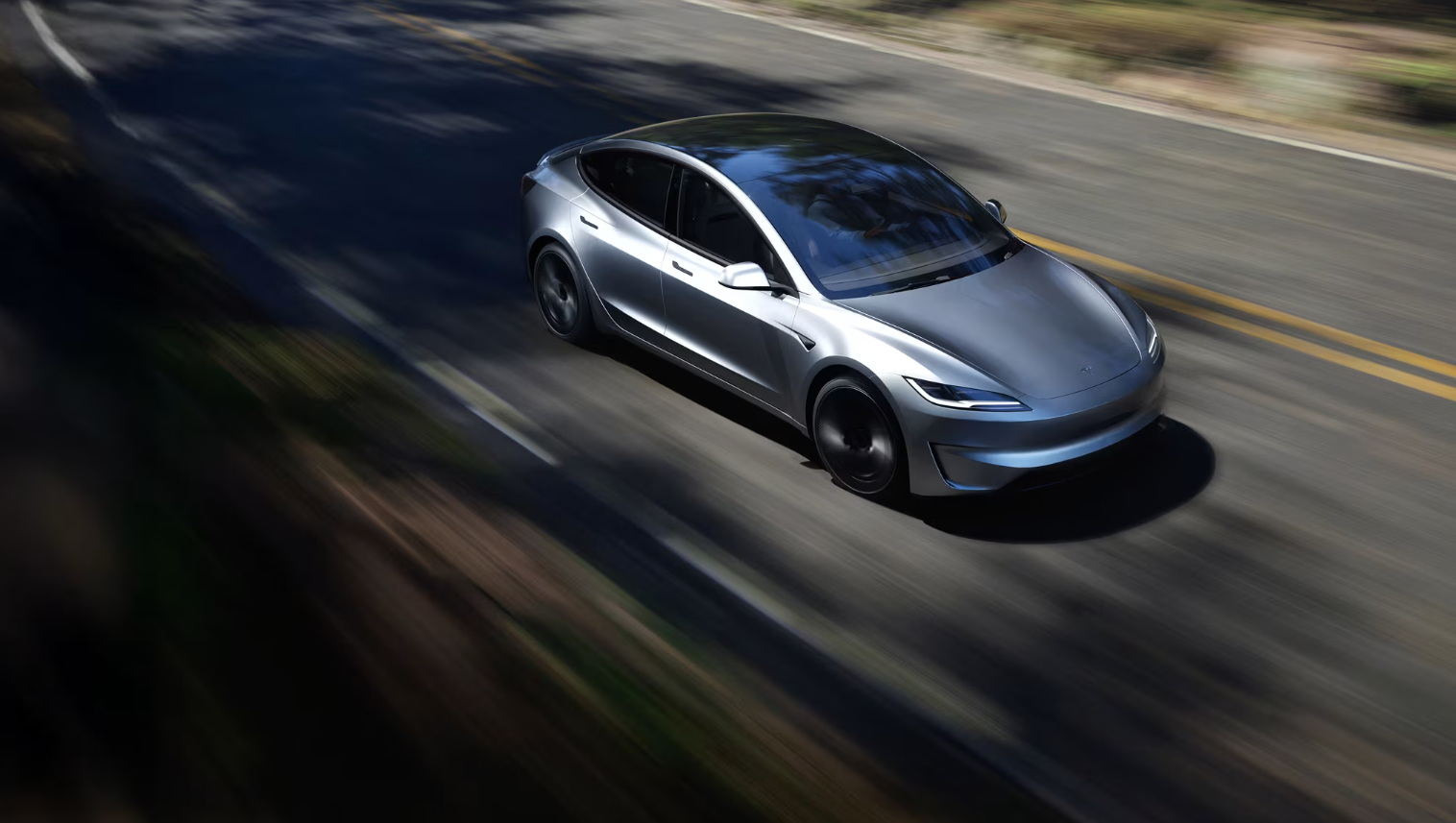
Credit: ourculturemag.com
Benefits Of Electric Cars For Maintenance
Electric cars offer many benefits in terms of maintenance. Their design reduces the need for frequent repairs and servicing. This makes owning an electric vehicle simpler and less costly over time. Understanding these benefits helps explain why electric cars attract many drivers.
Lower Maintenance Costs
Electric cars have fewer moving parts than traditional vehicles. They do not need oil changes, spark plugs, or fuel filters. Brake wear is also reduced due to regenerative braking systems. These factors lead to fewer trips to the mechanic and less money spent on repairs.
Routine maintenance mainly involves checking the battery and tires. This keeps the electric car running smoothly and safely. Overall, maintenance costs are significantly lower for electric cars.
Environmental Advantages
Electric cars produce zero tailpipe emissions. This helps reduce air pollution and greenhouse gases. They also avoid oil changes, which means less hazardous waste. Fewer parts and fluids reduce environmental impact during vehicle servicing.
Using electric cars supports cleaner air and a healthier planet. Choosing electric means contributing to a more sustainable future.

Credit: www.youtube.com
Frequently Asked Questions
Do Electric Cars Require Regular Oil Changes?
No, electric cars do not require regular oil changes. They use electric motors instead of combustion engines, eliminating the need for engine oil.
How Often Should Electric Cars Get Oil Changes?
Electric cars never need oil changes because they lack traditional engines and oil systems.
What Maintenance Replaces Oil Changes In Electric Vehicles?
Electric vehicles need battery checks, tire rotations, and brake inspections, but no oil changes.
Can Skipping Oil Changes Damage Electric Cars?
Skipping oil changes does not affect electric cars since they don’t use engine oil at all.
Conclusion
Electric cars do not need oil changes like traditional cars. They use electric motors, not engines with oil. This means less maintenance and fewer trips to the mechanic. Still, electric cars need other care, such as battery checks and tire rotations.
Knowing this helps save time and money. Choosing an electric car can be easier with this knowledge. Simple maintenance keeps your car running smoothly for years. It’s a smart choice for many drivers today.