
Have you ever wondered if an RV cover is really worth it? You’ve invested time, money, and memories into your RV, so protecting it matters.
But do RV covers actually work to keep your vehicle safe from the sun, rain, dirt, and other elements? You might be asking yourself if they offer real value or if they’re just an extra expense. This article will help you understand how RV covers perform, what benefits they bring, and if they’re the right choice for your RV.
Keep reading to discover the truth behind RV covers and make the best decision for your investment.
Benefits Of Rv Covers
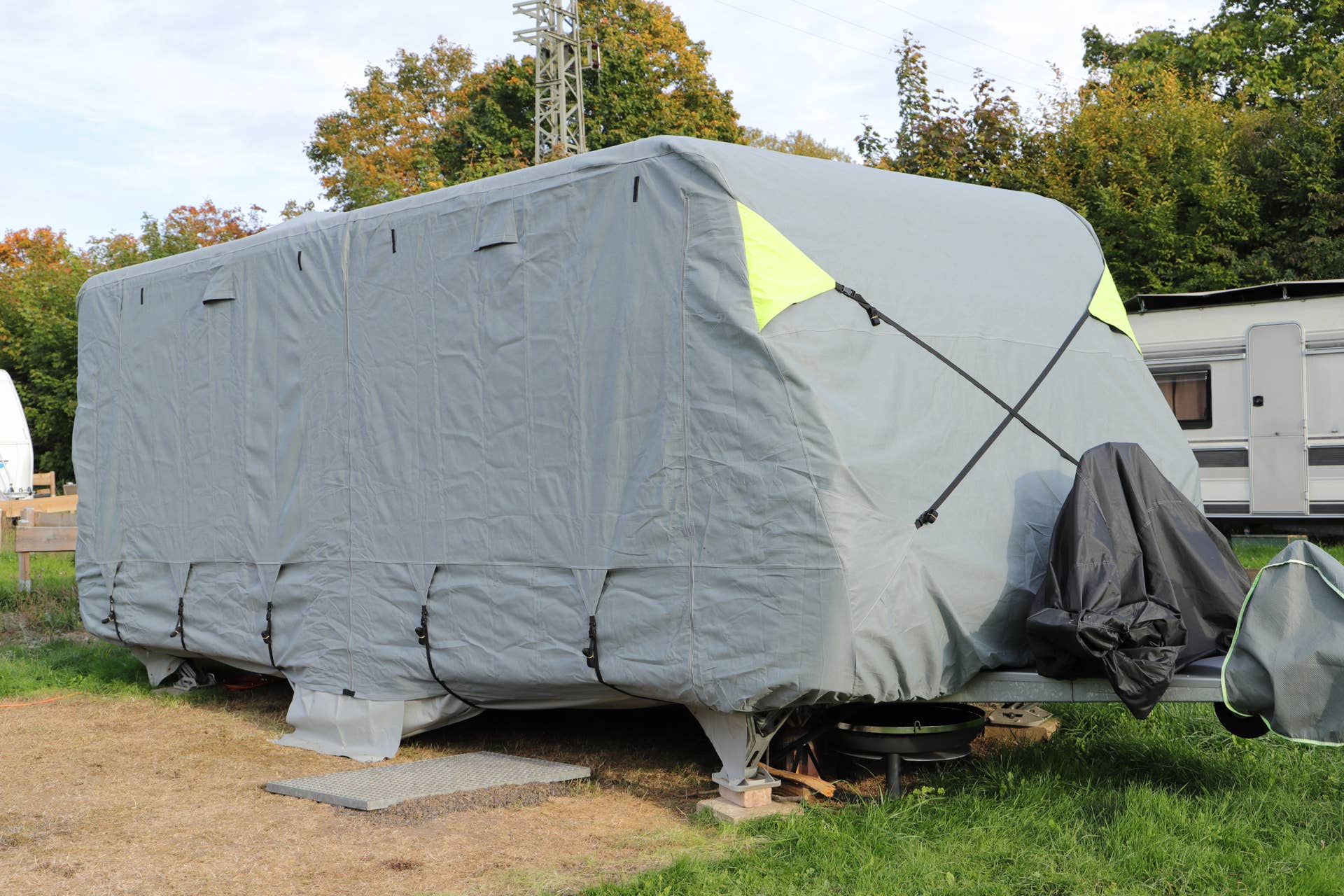
Using an RV cover offers more than just a neat appearance for your vehicle. It acts as a protective layer that saves your RV from potential damage and keeps it in top condition. Understanding these benefits can help you decide if investing in a cover is the right choice for your RV.
Shielding From Weather Elements
RV covers provide a strong barrier against rain, snow, and hail. They prevent water from seeping into vulnerable areas, reducing the risk of rust and mold buildup. Think about how your RV looks after a storm—without a cover, water spots and damage can start to show quickly.
Preventing Uv Damage
The sun’s rays can fade paint and crack rubber seals over time. A quality RV cover blocks harmful UV rays, preserving your vehicle’s exterior and interior surfaces. You’ll avoid costly repairs and keep your RV looking newer for longer.
Reducing Dirt And Debris Build-up
Dirt, leaves, and bird droppings can accumulate fast if your RV is left uncovered. This buildup not only looks messy but can also cause stains and corrosion. Covering your RV means less time spent cleaning and more time enjoying your adventures.
Credit: www.autoblog.com
Limitations Of Rv Covers
RV covers can be a great way to protect your vehicle, but they are not without their drawbacks. Understanding the limitations of RV covers helps you make smarter choices and avoid potential issues. Let’s take a closer look at some common challenges you might face.
Potential For Moisture Trapping
One major concern with RV covers is moisture buildup. If the cover doesn’t allow proper airflow, condensation can form underneath. This trapped moisture may lead to mold, mildew, and even rust on your RV’s surface.
Imagine covering your RV on a humid day and leaving it for weeks. Without ventilation, the dampness has nowhere to escape. You might end up causing more harm than good despite your efforts to protect your investment.
Wear And Tear Over Time
RV covers are exposed to harsh outdoor elements like sun, wind, and rain. Over time, these conditions can degrade the material, causing tears and thinning fabric. A worn-out cover won’t offer the same level of protection and might even scratch your RV.
Think about how your cover looks after a few seasons. You might notice fading or fraying, signaling it’s time for a replacement. Regularly checking your cover’s condition can save you from unexpected damage down the road.
Challenges With Fit And Installation
Getting the right fit for your RV cover can be tricky. A cover that’s too tight can put stress on seams, while one that’s too loose may flap in the wind, causing abrasion. Installing the cover correctly also takes patience and sometimes extra hands.
Have you ever struggled to stretch a cover over a large vehicle? It’s not just frustrating—it can lead to improper coverage or damage. Choosing a cover designed for your RV’s exact size and shape helps avoid these headaches and keeps your RV safe.
Choosing The Right Rv Cover
Choosing the right RV cover can make a huge difference in protecting your investment. The perfect cover shields your RV from weather, dirt, and wear while fitting snugly and lasting through seasons. But how do you find that ideal cover that meets your specific needs?
Material Types And Their Effectiveness
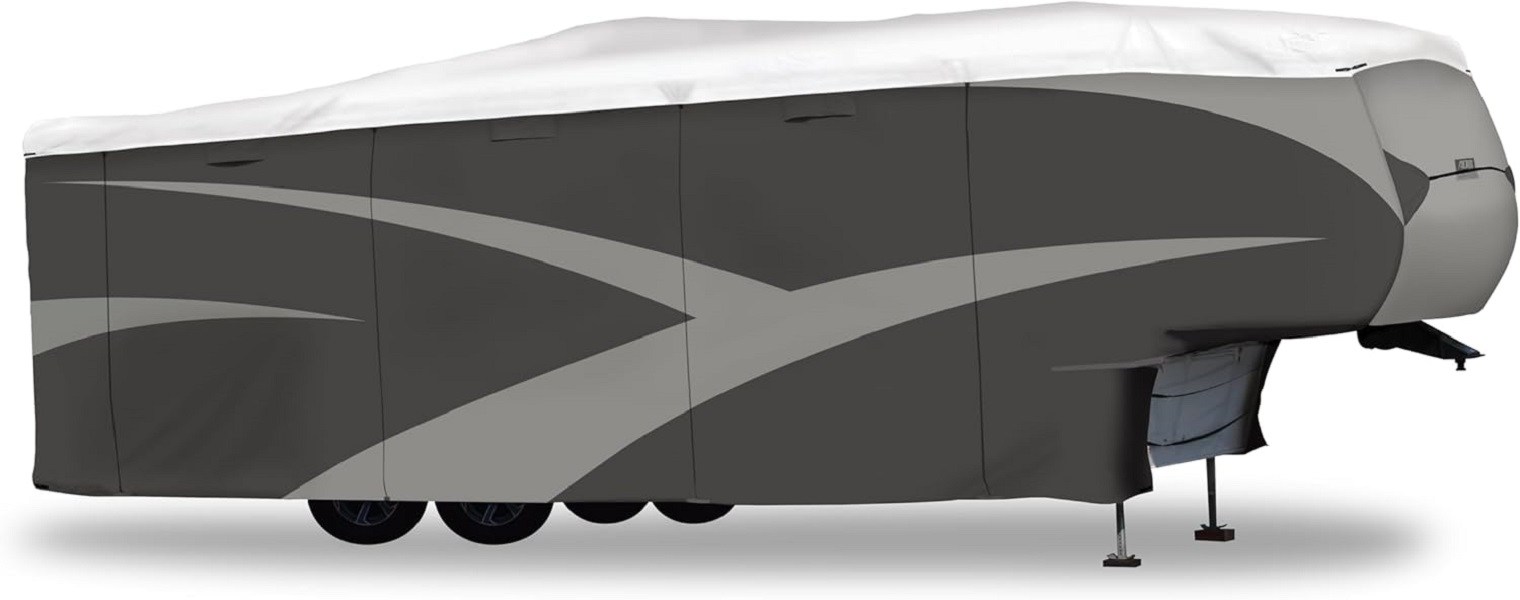
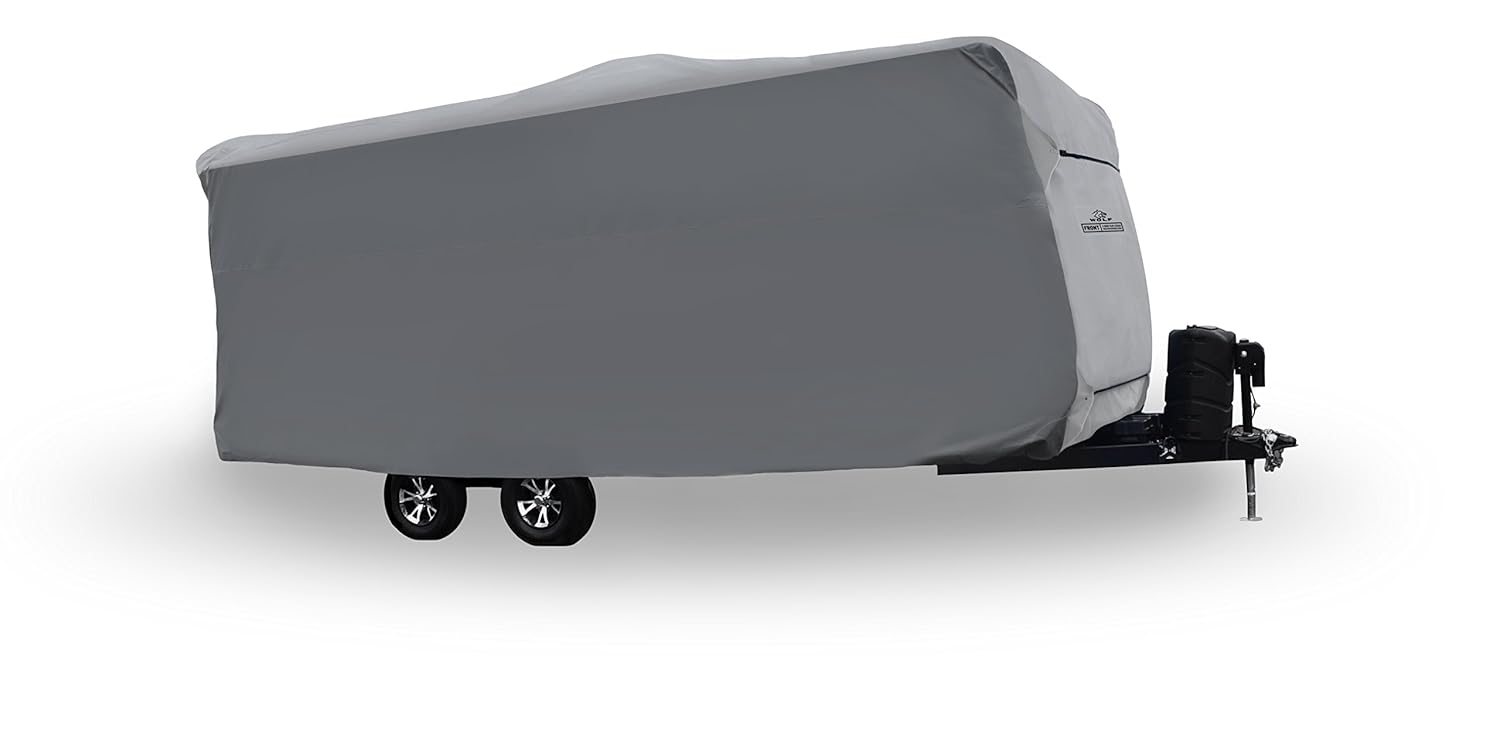
Not all RV covers are created equal. Materials range from lightweight fabrics to heavy-duty, weather-resistant options. For example, polyester covers often resist water well but may struggle with UV protection. On the other hand, woven fabrics with UV inhibitors provide excellent sun damage defense but might be less breathable.
Think about where you park your RV most of the time. If you face heavy rain, a waterproof material is crucial. However, if sun exposure is your main concern, focus on covers with high UV resistance. Choosing the right material ensures your RV is protected without trapping moisture, which can cause mold.
Size And Fit Considerations
A cover that’s too loose or too tight can cause more harm than good. Loose covers flap in the wind, leading to scratches and wear. Too tight, and you risk tearing the cover or damaging delicate exterior parts.
Measure your RV carefully—length, width, and height matter. Many manufacturers offer size guides; use them to narrow down your options. Don’t forget to consider extra space for antennas or side mirrors, so the cover fits comfortably without strain.
Maintenance And Longevity Tips
Even the best RV cover needs care to stay effective. Clean it regularly to remove dirt and debris that can degrade the fabric. Use mild soap and water, avoiding harsh chemicals that weaken fibers.
Store your cover properly when not in use—fold it neatly and keep it in a dry place. This prevents mildew and tears. Also, inspect your cover periodically for damage. Small repairs can extend its life significantly, saving you money in the long run.
Credit: bestreviews.com
Credit: bestreviews.com
Frequently Asked Questions
Do Rv Covers Protect Against Weather Damage?
Yes, RV covers shield your vehicle from rain, snow, UV rays, and dust. This protection helps prevent paint fading, rust, and wear.
Can Rv Covers Prevent Mold And Mildew?
Properly fitted RV covers reduce moisture buildup. This lowers the risk of mold and mildew forming inside or on the surface.
Are Rv Covers Easy To Install And Remove?
Most RV covers are designed for easy installation and removal. They come with straps and elastic hems for a secure fit.
Do Rv Covers Extend An Rv’s Lifespan?
Using an RV cover regularly can extend your RV’s lifespan. It protects from environmental damage, keeping the RV in better condition longer.
Conclusion
RV covers help protect your vehicle from dirt and weather. They keep rain, sun, and dust away. This can stop damage and fading over time. Covers also help save cleaning and repair costs. Choosing the right cover matters for the best fit and protection.
Use one that suits your RV size and climate. Overall, RV covers offer good value for many owners. They are a simple step to keep your RV looking nice longer. Worth considering if you want to care for your investment.