
Are you about to bleed your car’s brakes but unsure whether the engine should be on or off? Getting this step right is crucial for your safety and the smooth performance of your brakes.
Imagine spending time and effort only to find your brakes still feel spongy or unresponsive. That’s frustrating—and dangerous. You’ll discover the correct way to bleed your brakes, why it matters, and the simple tips that can save you from costly mistakes.
Keep reading to make sure your brakes work perfectly every time you hit the road.

Credit: www.trodo.com
Brake Bleeding Basics
Understanding the basics of brake bleeding is key before you decide whether to bleed brakes with the car on or off. It’s not just about removing air from the brake lines; it’s about ensuring your vehicle stops safely every time you hit the pedal. Let’s break down what brake bleeding really means and why it’s an essential part of brake maintenance.
What Is Brake Bleeding?
Brake bleeding is the process of removing trapped air bubbles from the brake fluid system. Air in the brake lines can compress, which reduces the effectiveness of your brakes. That means your brake pedal might feel spongy or go all the way to the floor before the brakes engage.
Think of your brake lines as a closed hydraulic system. When air gets inside, it disrupts the smooth transfer of force from your foot to the brake pads. Bleeding pushes out this air, restoring firm brake pressure and reliable stopping power.
Why Is Brake Bleeding Necessary?
Brake bleeding is necessary to maintain the safety and performance of your brakes. Over time, brake fluid can absorb moisture, or air can enter the system during repairs or fluid changes. This leads to reduced braking efficiency and can even cause brake failure in severe cases.
If you’ve ever noticed your brake pedal feeling soft or less responsive, it’s a sign that air or moisture might be inside the brake lines. Ignoring this can put you and others on the road at risk. Regular bleeding keeps your brake system working as it should.
Credit: www.toyotanation.com
Bleeding Brakes With The Car On Vs Off
Bleeding brakes is a key step to keep your car’s braking system working well. The question often arises: should you bleed brakes with the car on or off? Both ways have their own effects on brake performance and safety. Understanding these differences helps you choose the right approach for your vehicle and tools.
Bleeding Brakes With The Car On: Pros And Cons
Bleeding brakes with the engine running powers the brake booster. This makes pressing the brake pedal easier. It simulates real driving conditions during the bleeding process. Mechanics often use this method to ensure no air remains in the system.
- Pros:
- Brake booster is active, reducing pedal effort.
- More effective removal of trapped air in the system.
- Better simulation of actual brake pressure.
- Cons:
- Engine noise can make communication difficult.
- Risk of injury if proper care is not taken.
- Requires a safe, stable environment to keep the car running.
Bleeding Brakes With The Car Off: Pros And Cons
Bleeding brakes with the engine off is safer for beginners. The brake booster is not active, so the pedal feels harder. This method can still remove air but may need more effort. It suits simple brake bleeding tasks at home.
- Pros:
- Safer for beginners with less moving parts active.
- Quieter environment for better communication.
- Can be done anywhere without running the engine.
- Cons:
- Brake pedal is harder to press.
- May not remove all air from the system.
- Longer process compared to bleeding with car on.
Choosing The Right Method For Your Vehicle
Choosing the right method to bleed your brakes can significantly affect the outcome of the job and your vehicle’s safety. Whether to bleed brakes with the car on or off depends on several factors including your vehicle type, the brake system design, and the tools you have available. Understanding these will help you avoid common pitfalls and get the best results.
Factors To Consider When Deciding Between On And Off Bleeding
Not all vehicles respond the same way to brake bleeding methods. Some modern cars with ABS (Anti-lock Braking System) require the engine to be running during bleeding to activate the pump and valves, while older models often work fine with the engine off.
Consider these key points:
- Brake System Type:Vehicles equipped with ABS or electronic brake systems usually need the engine on to properly cycle fluid through the system.
- Tool Availability:If you have a vacuum pump or pressure bleeder, you might not need the engine running, as these tools can push fluid through efficiently.
- Manufacturer Recommendations:Always check your vehicle’s manual; some automakers specify the preferred method to avoid damage.
Have you checked whether your car’s brake fluid reservoir has a sensor that requires the ignition to be on? Small details like this can change your approach entirely.
Tips For A Successful Brake Bleeding Process
Regardless of the method, preparation and technique are crucial. Start by ensuring you have fresh brake fluid that matches your vehicle’s specifications. Old or incorrect fluid can lead to poor braking performance or damage.
Keep these tips in mind:
- Keep the Reservoir Full:Never let the fluid level drop too low during bleeding to avoid introducing air back into the system.
- Work Steadily:Use slow, consistent pressure on the brake pedal or pump to push air bubbles out without causing splashes or leaks.
- Use Proper Bleeding Sequence:Typically, start with the brake farthest from the master cylinder, usually the rear passenger side, and work toward the closest.
- Test Brakes Frequently:After bleeding each wheel, press the brake pedal to check for firmness before moving on.
Have you ever noticed how a firm brake pedal feels different from a spongy one? That difference can tell you a lot about whether your bleeding process is working or if air still remains trapped.
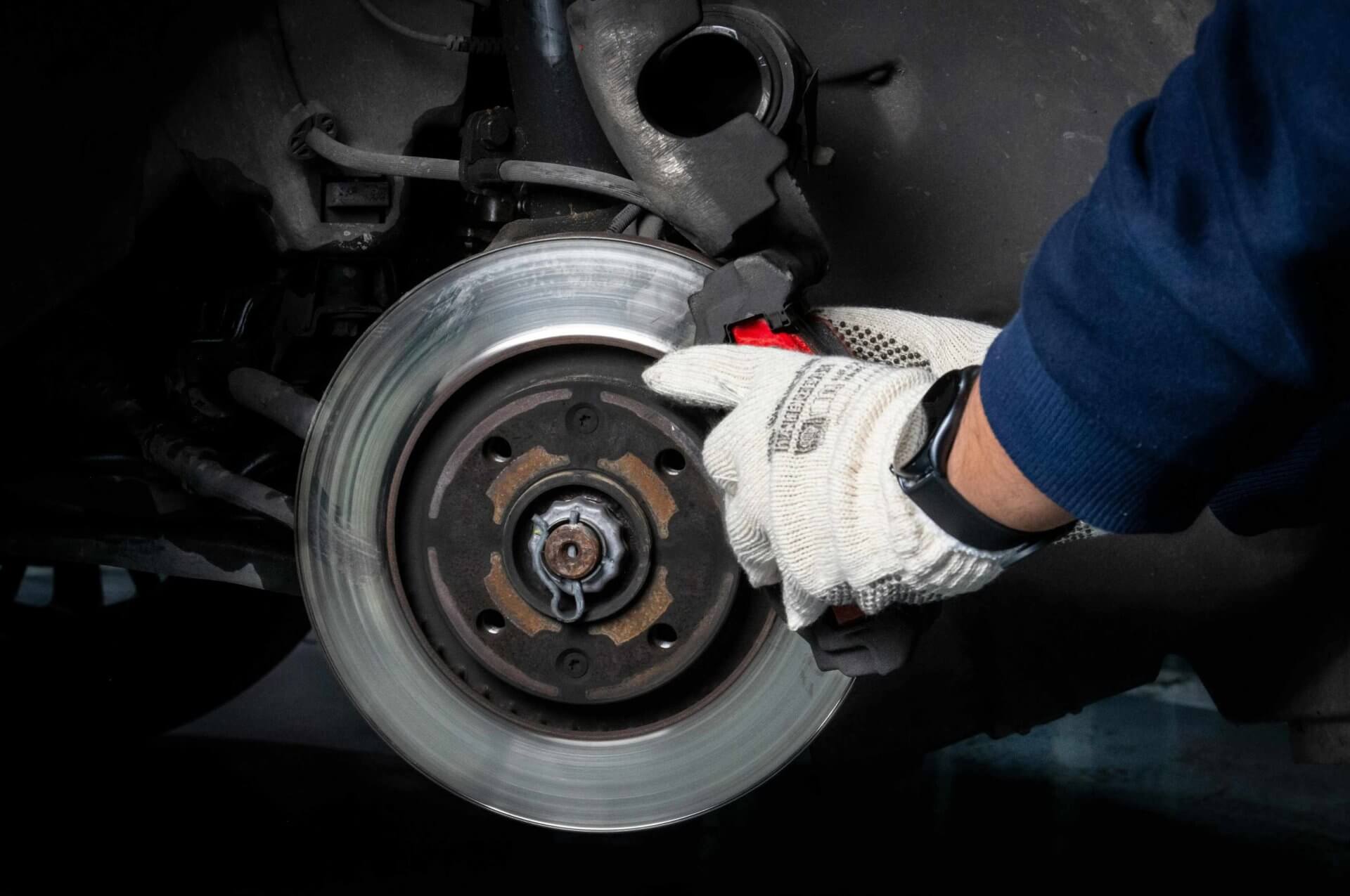
Credit: www.clickmechanic.com
Frequently Asked Questions
Do You Bleed Brakes With The Car On Or Off?
You should bleed brakes with the car off. This prevents the brake booster from affecting pressure. It ensures proper fluid flow and removes air efficiently.
Why Is The Car Off During Brake Bleeding?
Having the car off stops the brake booster from engaging. This helps maintain consistent pressure in the brake system. It makes bleeding safer and more effective.
Can Bleeding Brakes With The Car On Cause Damage?
Yes, bleeding brakes with the car on can cause inaccurate bleeding. It may introduce air into the system or damage the brake booster. Always turn the car off for safe bleeding.
How Does The Brake Booster Affect Bleeding?
The brake booster uses vacuum pressure from the engine. When the car is on, it alters brake pedal pressure. This can lead to improper air removal during bleeding.
Conclusion
Bleeding brakes usually works best with the car off. This helps avoid air bubbles in the brake lines. Keeping the car off lets the brake fluid flow properly. It also reduces the risk of injury from moving parts. Always follow your vehicle’s manual for safety and accuracy.
Proper brake bleeding keeps your car safe on the road. Take your time and be careful during the process. Clean brake fluid and no air means better stopping power. Simple steps make a big difference in brake performance.