
You’ve just bought a new car, and everything feels perfect—until you hear a strange noise coming from your wheels. Naturally, you wonder: does your new car warranty cover wheel bearings?
Knowing the answer can save you from unexpected repair costs and stress. You’ll discover exactly what’s covered, what’s not, and how to protect your investment. Keep reading to make sure you don’t miss important details that could keep your car running smoothly and your wallet intact.
New Car Warranty Basics
Understanding new car warranty basics helps you know what is covered and what is not. A warranty protects you from repair costs on certain parts of your vehicle. It starts the day you buy the car and lasts for a set time or miles driven. Knowing the details can save money and stress later.
What Components Are Typically Covered
New car warranties usually cover major parts like the engine and transmission. Electrical systems and air conditioning often fall under coverage too. Basic warranties do not always include wear-and-tear parts such as brake pads or tires. Some warranties cover the whole vehicle, while others cover only specific components.
- Engine and transmission
- Electrical and electronic systems
- Air conditioning and heating
- Seals and gaskets
Wheel bearings may or may not be covered. This depends on the warranty type and manufacturer rules.
Duration And Limits Of Coverage
The warranty lasts for a certain time or mileage, whichever comes first. Common durations are 3 years or 36,000 miles. Some warranties extend to 5 years or 60,000 miles. Limits include what parts are covered and repair conditions.
| Warranty Type | Duration | Mileage Limit |
|---|---|---|
| Bumper-to-bumper | 3 years | 36,000 miles |
| Powertrain | 5 years | 60,000 miles |
| Corrosion | 5 years | Unlimited miles |
Always check your warranty booklet for exact details. Some parts may have shorter or longer coverage.

Credit: chinarollerbearing.en.made-in-china.com
Wheel Bearings And Warranty Coverage
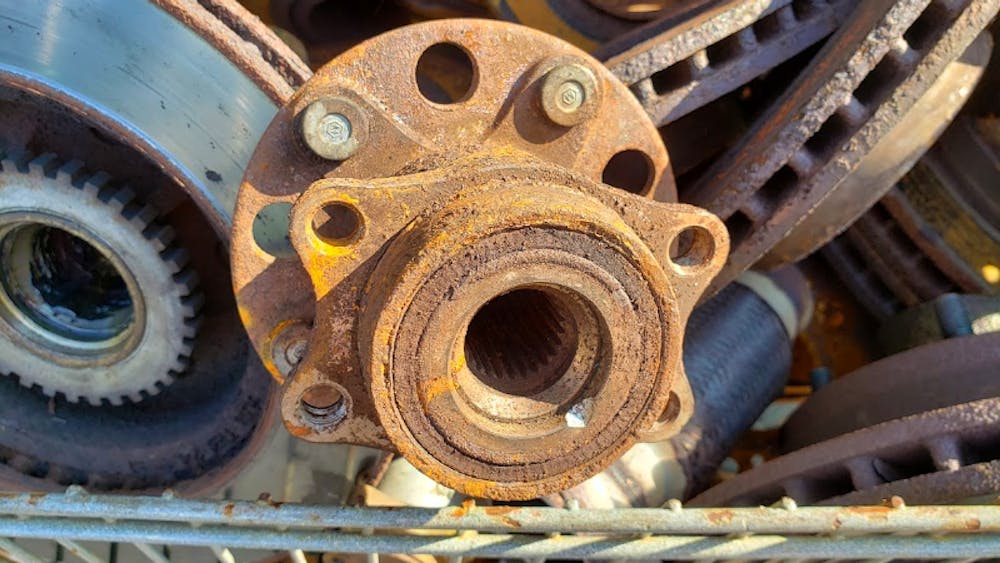
Wheel bearings play a vital role in your car’s performance and safety. They help the wheels spin smoothly with minimal friction. Understanding how wheel bearings are treated under a new car warranty helps owners manage repairs and costs effectively.
Not all wheel bearing problems are covered by warranty. Coverage depends on what caused the issue and the terms of the warranty itself. Knowing the common causes of wheel bearing failures and whether they fall under warranty can save time and money.
Common Causes Of Wheel Bearing Issues
- Water or dirt entering the bearing seal
- Driving on rough or uneven roads
- Improper installation or poor maintenance
- Excessive load or heavy towing
- Wear and tear from high mileage
Most wheel bearing problems start with contamination or stress. These factors lead to noise, vibration, or wheel wobble during driving.
Are Wheel Bearings Included In Coverage
New car warranties usually cover defects in materials and workmanship. Wheel bearings are often included if they fail due to factory faults.
Damage caused by road hazards, accidents, or poor maintenance usually falls outside warranty coverage. Normal wear from driving is also excluded. Always check your warranty booklet for exact details.
Tips For Warranty Claims On Wheel Bearings
Claiming warranty coverage for wheel bearings can save you money and hassle, but only if you know how to approach the process effectively. Understanding your warranty and following the right steps can make all the difference in getting your claim approved quickly. Here are practical tips to help you navigate warranty claims on wheel bearings with confidence.
How To Check Your Warranty Details
Start by carefully reading your new car warranty booklet or the online warranty information. Look specifically for sections about drivetrain components, wheel bearings, or suspension parts. Some warranties cover wheel bearings fully, while others might exclude them or require proof of proper maintenance.
Check the warranty duration and mileage limits too. If your wheel bearings start failing after these limits, your claim may be denied. Also, note any conditions about repairs needing to be done at authorized dealerships.
Don’t hesitate to call your dealer’s service department for clarification. They can explain what’s covered and what documentation you’ll need. Have your vehicle identification number (VIN) handy to get precise information.
Steps To Take When Filing A Claim
Document the issue as soon as you notice symptoms like unusual noises or vibrations from your wheels. Taking videos or audio recordings can support your case. Keep records of all maintenance and repairs related to the wheel bearings.
Visit an authorized service center promptly. Delaying repairs might lead to further damage and jeopardize your warranty claim. Ask the technician to provide a detailed inspection report stating the problem and recommended repairs.
Submit your claim with all supporting documents, including the inspection report, maintenance history, and warranty details. Be clear and concise about what you expect from the claim. If the claim is denied, ask for a written explanation and review your warranty terms again—sometimes a second opinion or escalation helps.
Have you ever faced challenges with warranty claims on parts like wheel bearings? Sharing your experience can help others avoid common pitfalls and get the coverage they deserve.

Credit: www.chrysler-factory-warranty.com
Credit: www.cartalk.com
Frequently Asked Questions
Does A New Car Warranty Cover Wheel Bearings?
Most new car warranties cover wheel bearings if they fail due to manufacturing defects. Wear and tear or damage from accidents usually aren’t covered. Always check your specific warranty terms for exact coverage details.
How Long Does Wheel Bearing Coverage Last Under Warranty?
Wheel bearing coverage typically lasts for the duration of the basic new car warranty, often 3 to 5 years or 36,000 to 60,000 miles. Coverage varies by manufacturer, so review your warranty booklet for precise time and mileage limits.
Are Wheel Bearing Repairs Free Under New Car Warranty?
If the wheel bearing failure is due to a manufacturing defect, repairs or replacements are usually free under warranty. However, damage caused by road conditions or improper maintenance is generally not covered, leading to out-of-pocket costs.
Can Wheel Bearing Issues Void My Car Warranty?
Ignoring wheel bearing problems or improper repairs can potentially void parts of your warranty. It’s important to address issues promptly and use authorized service centers to maintain warranty protection.
Conclusion
New car warranties usually do not cover wheel bearings. These parts wear out over time and need regular checks. You should read your warranty details carefully to understand what is included. Taking care of wheel bearings helps avoid bigger car problems later.
Regular maintenance keeps your car safe and running well. Always consult your dealer or mechanic for advice about repairs. Knowing your warranty limits saves money and stress. Stay informed and protect your vehicle wisely.