
Have you ever wondered if your car insurance will protect the people riding with you? Imagine a sudden accident—what happens to your passengers?
Will their injuries be covered, or will you be left with unexpected costs? Understanding how car insurance handles passenger injury is crucial for your peace of mind and financial safety. Keep reading to discover exactly what your policy covers and how you can make sure your passengers are protected every time you hit the road.
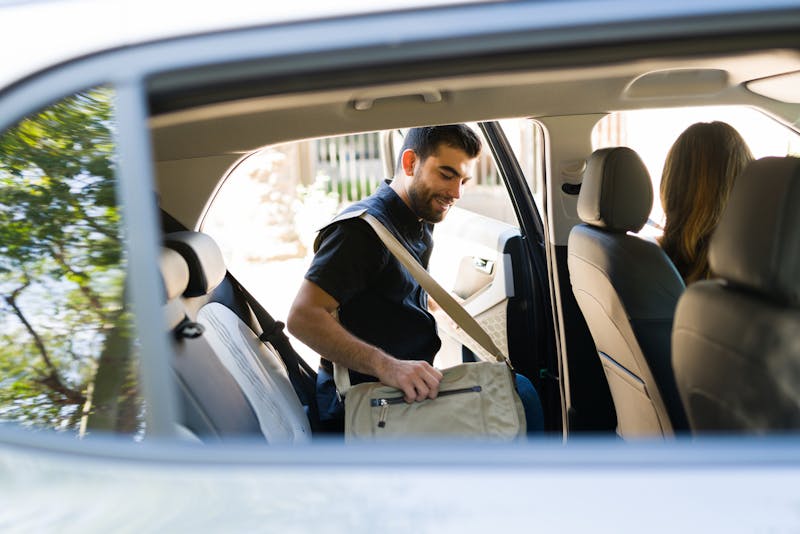
Credit: www.msllegal.com
Passenger Injury Coverage Basics
Understanding passenger injury coverage is essential for anyone who drives or rides in a vehicle. This coverage can protect you and your passengers financially if someone gets hurt in an accident. Knowing the basics helps you make smarter decisions about your car insurance policy and ensures you’re not caught off guard when an injury claim arises.
Types Of Coverage Involved
Passenger injury can be covered by different parts of your car insurance. The most common types include:
- Personal Injury Protection (PIP):Covers medical expenses for you and your passengers, regardless of who caused the accident.
- Medical Payments Coverage (MedPay):Pays for medical bills for injuries sustained by passengers in your car.
- Liability Coverage:Covers injuries to passengers if you are at fault in the accident.
- Uninsured/Underinsured Motorist Coverage:Protects passengers if the at-fault driver lacks sufficient insurance.
Each type serves a specific role, so it’s wise to check your policy details carefully. Have you reviewed what your insurance will actually pay for before?
Who Is Considered A Passenger
Not everyone in or around your car counts as a passenger for insurance purposes. Typically, a passenger is anyone riding inside your vehicle, seated in a designated spot. This includes family members, friends, or even strangers you give a ride to.
It usually excludes people in other vehicles or pedestrians outside the car. Understanding this helps you know whose injuries might be covered after an accident. Have you ever wondered if a delivery person in your car is protected under your policy?
How Policies Handle Passenger Claims
Passenger injury claims are handled differently depending on the car insurance policy. Insurance companies use various coverages to pay for medical bills and damages. Understanding these coverages helps passengers know what to expect after an accident.
Liability Vs. Medical Payments Coverage
Liability coverage pays for injuries passengers cause to others. It does not cover injuries to passengers in the insured vehicle. Medical Payments coverage, also called MedPay, helps cover medical costs for passengers hurt in a crash. This coverage pays regardless of who caused the accident.
MedPay usually covers:
- Doctor visits
- Hospital stays
- Rehabilitation costs
- Funeral expenses
Liability coverage protects the driver against claims from other people, but not passengers.
Personal Injury Protection (pip) Role
Personal Injury Protection, or PIP, offers wider protection for passengers. It pays for medical expenses, lost wages, and sometimes other costs like childcare. PIP applies regardless of fault, helping injured passengers recover quickly.
PIP benefits include:
- Medical treatment costs
- Reimbursement for lost income
- Services needed during recovery
Some states require PIP coverage. Others offer it as an optional add-on. Passengers should check the policy details to know their PIP benefits.
Factors Influencing Coverage Limits
Understanding what affects your car insurance’s passenger injury coverage can save you from unexpected costs after an accident. Coverage limits don’t just appear out of thin air—they depend on several important factors that vary widely.
Knowing these factors helps you ask the right questions when choosing or reviewing your policy. It also prepares you to handle any surprises if you ever need to file a claim for a passenger injury.
State Laws And Regulations
Your state plays a big role in setting the minimum coverage limits for passenger injuries. Some states require higher minimum limits, while others set lower thresholds. This means your insurance might cover more or less depending on where you live.
Think about this: If you travel often or own cars registered in different states, your coverage could change unexpectedly. Have you checked if your state’s laws protect passengers adequately?
Also, no-fault states usually have personal injury protection (PIP) that covers passengers regardless of who caused the accident. In contrast, tort states may require you to prove fault to claim passenger injury benefits.
Policy Exclusions And Restrictions
Insurance policies often include specific exclusions that limit passenger injury coverage. For example, some policies don’t cover injuries if the passenger wasn’t wearing a seatbelt or if the vehicle was used for commercial purposes.
You might assume your policy covers everyone in your car, but restrictions could apply based on the passenger’s relationship to the driver, or where the injury happened. Have you ever read through your policy’s fine print to spot these details?
Additionally, certain high-risk activities or vehicle types can lead to lower or no coverage for passengers. Understanding these exclusions helps you avoid surprises and make informed decisions about additional coverage.

Credit: www.squareinsurance.in

Credit: isure.ca
Frequently Asked Questions
What Does Passenger Injury Insurance Cover?
Passenger injury insurance typically covers medical expenses for passengers injured in a car accident. This includes hospital bills, rehabilitation costs, and sometimes lost wages. Coverage specifics can vary by policy and provider, so it’s essential to review your insurance details.
Always confirm with your insurer for precise coverage information.
Is Passenger Injury Covered By All Car Insurance?
Not all car insurance policies automatically cover passenger injuries. Coverage depends on your specific policy and insurer. Liability coverage often includes passenger injuries, but it’s crucial to verify this with your provider. Consider adding personal injury protection (PIP) or medical payments coverage for additional assurance.
How Do I Claim Passenger Injury Insurance?
To claim passenger injury insurance, report the accident promptly to your insurer. Provide necessary documentation, such as medical records and accident reports, to support your claim. Follow your insurer’s specific process for claims, which may include filling out forms and cooperating with investigations.
Does Liability Insurance Include Passenger Injury?
Liability insurance often includes coverage for passenger injuries in accidents you’re deemed responsible for. It helps pay medical expenses for injured passengers. However, the coverage limit varies by policy. Review your policy details or consult with your insurer to ensure adequate protection for passenger injuries.
Conclusion
Car insurance can protect passengers in many cases. Coverage depends on the policy type and state laws. Passengers hurt in a crash may get compensation. Always check your insurance details before driving. Knowing your coverage helps avoid surprises later. Safety and clear information go hand in hand.
Protect yourself and your passengers by staying informed. Understanding insurance terms keeps you prepared for accidents. Stay safe and drive responsibly every time.