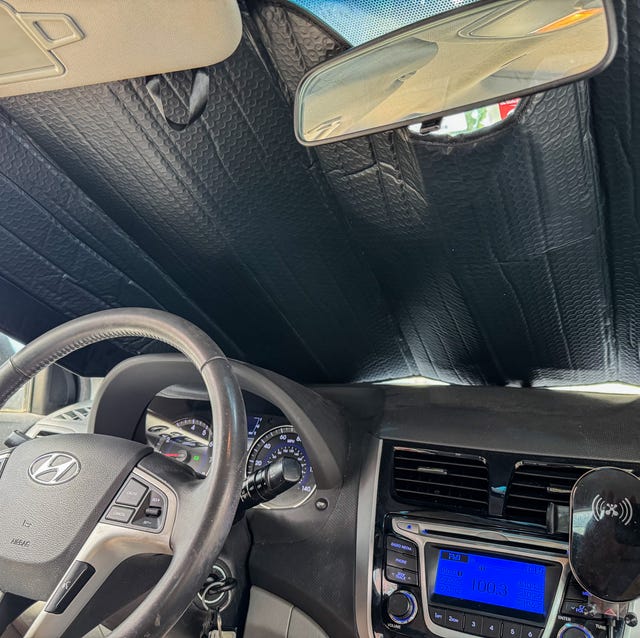
Have you ever stepped into your car on a hot day and felt like you were walking into an oven? If so, you’re not alone.
Many drivers turn to car sun shades to beat the heat, but you might be wondering—do these sun shades really work? You want to protect your car’s interior and stay comfortable without wasting money on something that doesn’t deliver. You’ll discover how car sun shades actually perform, what benefits they offer, and whether they’re worth adding to your daily routine.
Keep reading to find out if a simple sun shade can make a big difference for you and your car.
How Car Sun Shades Block Heat
Understanding how car sun shades block heat can change the way you protect your vehicle on sunny days. These shades don’t just sit there—they actively reduce the heat that builds up inside your car. Let’s dig into what makes them work and how different designs impact their effectiveness.
Materials And Design
Car sun shades are usually made from materials designed to keep heat out. Many use layers of reflective foil, mesh, or fabric that act as barriers against sunlight. The way these materials are put together affects how well they block heat and UV rays.
Some shades have a thick, padded feel that traps hot air between the shade and the windshield, creating an insulating layer. Others are thin but tightly woven to stop sunlight from penetrating. The design often includes folds or pleats, making it easy to store and fit snugly against your windshield.
Think about the last time you left your car in the sun—did it feel like an oven inside? That’s exactly what these materials and designs aim to prevent by reflecting or blocking the sun’s rays before they turn into heat.
Reflective Vs. Absorptive Shades
Reflective shades bounce sunlight away from your car. These usually feature shiny surfaces, like aluminum foil, that reflect the sun’s rays before they hit your dashboard or seats. This reflection keeps the interior cooler and protects surfaces from fading.
Absorptive shades, on the other hand, soak up the sun’s rays and prevent them from entering the car. These often look like dark fabric and work by trapping heat within the shade material itself, keeping it from passing through. However, they can get hot to touch.
Which type should you choose? If your priority is keeping the car’s interior cool, reflective shades tend to work better. But if you want something durable and less flashy, absorptive might suit you. Sometimes, combining both types in a layered design offers the best protection.
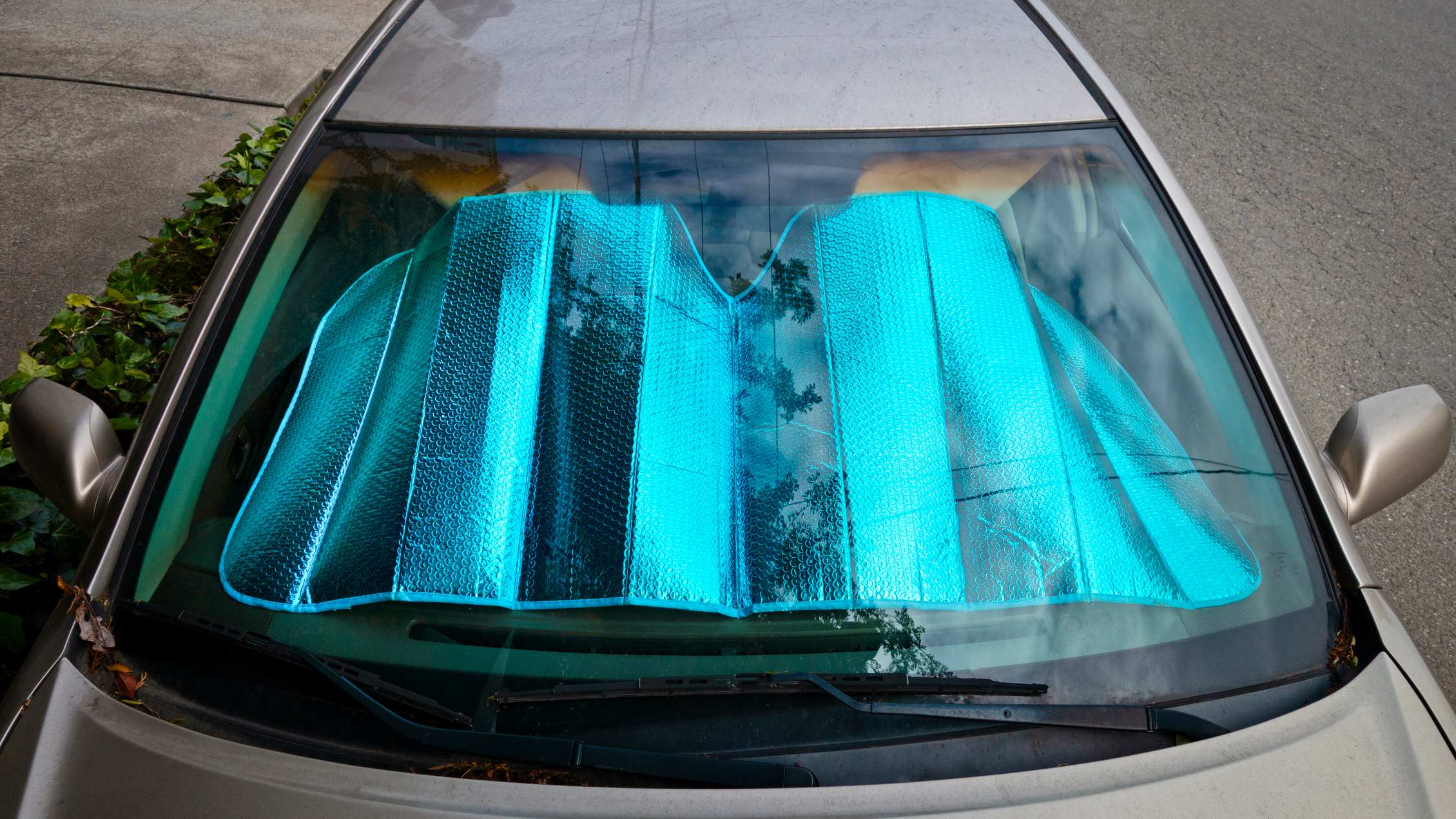
Credit: www.mentalfloss.com
Benefits Beyond Cooling
Car sun shades do more than just keep your vehicle cool. They offer a range of benefits that protect your car’s interior and improve your overall driving experience. Understanding these advantages can help you decide if a sun shade is a worthy addition to your car accessories.
Protecting Interior Surfaces
Sun shades shield your dashboard, seats, and other interior surfaces from direct sunlight. This protection prevents cracking, fading, and warping caused by constant exposure to heat and UV rays. Over time, this can save you money on costly repairs or replacements.
Think about your car’s dashboard after a long summer. Without a sun shade, it becomes brittle and discolored. Using a sun shade regularly keeps those materials looking new and durable.
Reducing Uv Exposure
UV rays don’t just affect your skin; they also damage your car’s interior fabrics and plastics. A sun shade acts as a barrier, blocking harmful UV rays from penetrating the windshield. This helps maintain the quality and color of your seats, steering wheel, and other surfaces.
Are you aware that prolonged UV exposure can weaken seat belts and plastic components? Using a sun shade reduces this risk, making your car safer and more comfortable over time.
Enhancing Comfort
Besides cooling, sun shades create a more pleasant environment inside your car by reducing glare and heat buildup. This makes it easier to get in and start driving without waiting for the car to cool down. You’ll notice less discomfort, especially on those scorching summer days.
Imagine stepping into a car that has been parked under the sun all day. Without a sun shade, the heat can be almost unbearable. Using one helps you avoid that discomfort and keeps your driving experience smooth from the start.
Choosing The Right Sun Shade
Choosing the right sun shade can make a huge difference in how effectively it protects your car’s interior from heat and UV damage. It’s not just about grabbing the first one you see. The right fit, style, and installation can change your experience completely.
Size And Fit Considerations
Your sun shade needs to match the size and shape of your windshield perfectly. A poor fit lets sunlight sneak in around the edges, reducing its effectiveness. Before buying, measure your windshield’s width and height, then compare those numbers with the product dimensions.
Some sun shades come with adjustable features or come in custom sizes for specific car models. Think about whether you want something easy to fold and store or a more rigid shade that stays in place firmly. Have you noticed how a loose shade just doesn’t stay put during windy days? That’s why fit matters.
Types Of Sun Shades
There are several types of sun shades, each with its own pros and cons. Reflective shades, usually made from aluminum foil or similar material, bounce sunlight away and keep your car cooler.
Mesh shades, on the other hand, block UV rays but still allow some visibility. These are great if you want to keep your car cooler without completely blocking your view. Another option is the accordion-style shade, which is easy to fold but may not cover the entire windshield perfectly.
Think about your typical parking spots and weather conditions. If you park in direct sun for hours, a reflective shade might work best. If you’re more concerned about UV protection while keeping visibility, mesh could be better.
Installation Tips
Proper installation is key to making your sun shade work well. Most shades come with suction cups or elastic bands—make sure these are securely attached to avoid the shade slipping or falling off.
Try installing the shade on a cooler part of the day to avoid rushing and getting frustrated. Align it carefully so it covers the entire windshield without gaps.
Test the shade by stepping back and checking for any spots where sunlight shines through. If you spot any, adjust or consider a different size. Do you find it easier to install a sun shade with a partner, or can you manage it solo? Either way, patience makes a big difference here.

Credit: www.popularmechanics.com

Credit: www.caranddriver.com
Frequently Asked Questions
Does A Car Sun Shade Really Reduce Interior Heat?
Yes, car sun shades block sunlight, lowering interior temperature effectively. They reflect UV rays and prevent heat buildup inside your car.
How Does A Car Sun Shade Protect The Dashboard?
Sun shades shield the dashboard from direct sunlight, preventing fading and cracking. This prolongs the dashboard’s life and keeps it looking new.
Are Car Sun Shades Easy To Install And Remove?
Most car sun shades are designed for quick installation and removal. They usually fit well, making them convenient for daily use and storage.
Can Car Sun Shades Improve Fuel Efficiency?
Indirectly, yes. By keeping the car cooler, sun shades reduce air conditioning use, which can improve fuel efficiency slightly.
Conclusion
Car sun shades help keep your vehicle cooler on hot days. They block sunlight and reduce heat inside the car. Using a sun shade can protect your dashboard and seats from fading. It also makes your car more comfortable when you return.
While not perfect, sun shades work well for everyday use. They are easy to use and affordable. Consider adding one to your car for better comfort and protection. A simple tool that makes a real difference.