Have you ever wondered if your dash cam records what happens inside your car? Whether you’re a daily commuter or a rideshare driver, knowing what your dash cam captures can protect you in tricky situations.
Understanding this can give you peace of mind and help you use your device to its full potential. Keep reading to find out exactly how dash cams work when it comes to recording the inside of your vehicle—and why it matters to you.

Credit: www.amazon.com
Dash Cam Placement And Coverage
Dash cam placement is key to capturing clear footage. Proper positioning ensures the camera records important events. Coverage depends on where the dash cam sits inside the vehicle. Drivers need to balance road view and interior visibility.
Common Dash Cam Positions
Most dash cams mount behind the rearview mirror. This spot gives a wide view of the road ahead. The camera lens points straight out the windshield. Some drivers place cameras on the dashboard too. This position can catch a lower angle of the road.
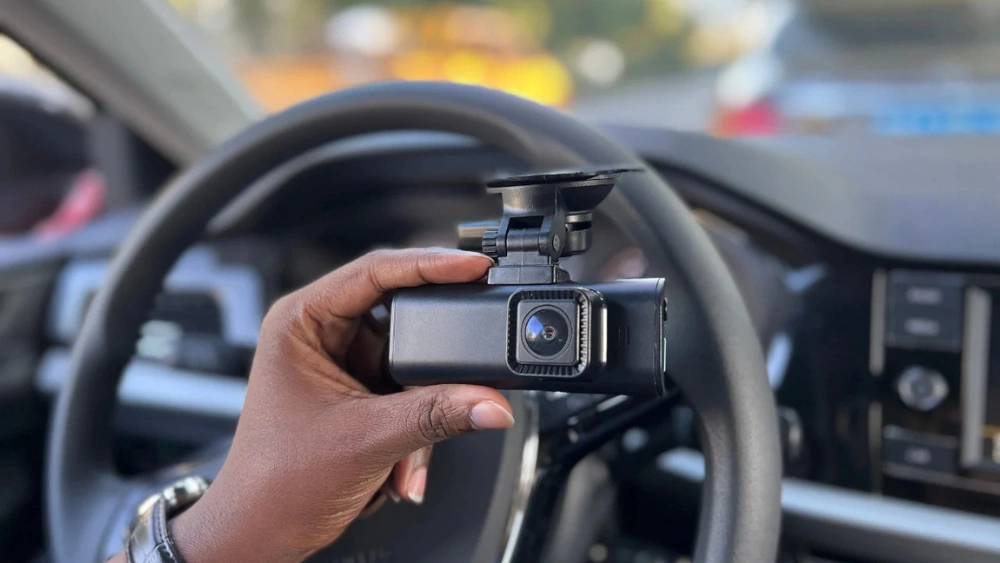
For inside car recording, the camera might face the cabin. This setup helps record passengers and driver actions. Some models have dual lenses for front and interior views. Proper mounting keeps the camera stable and prevents shaky footage.
Front Vs. Interior Recording
Front recording focuses on traffic and road events. It captures accidents, road signs, and other vehicles clearly. Interior recording targets activities inside the car. It records passengers, driver behavior, and theft attempts.
Not all dash cams record inside by default. Interior cameras often need separate lenses or special setups. Front-facing cams provide evidence for crashes outside the vehicle. Interior cameras add proof for disputes inside the car.
Choosing between front and interior depends on driver needs. Some prefer just road coverage. Others want full protection inside and outside the car. Cameras with dual lenses offer the best of both worlds.
Types Of Dash Cams With Interior Recording
Dash cams with interior recording capabilities have become increasingly popular among drivers who want comprehensive coverage of their journeys. These devices capture both the road ahead and the inside of your car, providing valuable footage for safety, security, and even insurance claims. Understanding the types of dash cams that offer interior recording can help you choose the right one for your needs.
Dual-lens Dash Cams
Dual-lens dash cams come equipped with two cameras: one facing the road, and the other pointed inside the vehicle. This setup allows you to record both external events and the cabin simultaneously without needing multiple devices.
Many models offer adjustable interior lenses, so you can focus on passengers, the driver’s seat, or the entire cabin. This feature is especially useful for rideshare drivers who want to monitor interactions or for parents who want to keep an eye on children during trips.
Some dual-lens dash cams also support night vision inside the car, ensuring clear footage even in low-light conditions. Have you ever wondered how much more secure you’d feel knowing every moment inside your car is recorded clearly, day or night?
Privacy Features And Limitations
Interior recording raises privacy concerns, so many dash cams include features to address this. For example, some models allow you to disable the interior camera when you want privacy or set it to record only when the vehicle is in motion.
Be aware that laws regarding interior recording vary by location. In some areas, recording audio or video inside a vehicle without consent may be illegal. It’s important to check your local regulations before using these features.
Additionally, some dash cams limit interior recording to specific modes or times to protect privacy. Always review the settings and understand what your device records by default to avoid unexpected surprises.
Legal And Privacy Concerns
Recording inside your car with a dash cam can raise important legal and privacy questions. You might wonder if capturing video or audio of passengers is allowed and what rules apply in different places. Understanding these concerns helps you use your dash cam responsibly without violating others’ rights.
Laws About Recording Inside Vehicles
Many regions have specific laws about recording inside vehicles, especially regarding audio. Some states require all parties to consent before audio recording, while others only need one party’s consent. This means that even if you own the car, secretly recording conversations could be illegal.
Video recording rules also vary. In general, capturing images inside your own vehicle is allowed, but sharing or using those recordings might require permission. It’s crucial to check the laws where you live or drive, as penalties for breaking these rules can be severe.
- Check if your state or country requires one-party or all-party consent for audio.
- Know if there are restrictions on sharing footage recorded inside the vehicle.
- Remember, laws can differ between private and commercial vehicles.
Ethical Considerations For Passengers
Even when legally allowed, recording inside your car can affect trust with your passengers. Have you ever noticed how people act differently when they know they’re being recorded? This awareness might make conversations less natural or create discomfort.
It’s respectful to inform passengers about your dash cam and get their consent when possible. This simple step can prevent misunderstandings and protect relationships. Consider how you would feel if someone recorded you without telling you—would you trust them?
- Always inform passengers about recording devices in your car.
- Ask for permission before sharing any footage that includes others.
- Use recordings responsibly, focusing on safety and protection rather than surveillance.

Credit: www.engadget.com

Credit: www.amazon.com
Frequently Asked Questions
Does A Dash Cam Record Inside The Car?
Some dash cams have dual lenses to record inside and outside the car. Not all models offer this feature. Check specifications before buying if interior recording is important to you.
Can Dash Cams Record Audio Inside The Vehicle?
Many dash cams can record audio inside the vehicle using built-in microphones. However, audio recording laws vary by region. Always verify local regulations before enabling audio capture.
Are Interior Recordings Useful For Insurance Claims?
Yes, interior dash cam footage can provide evidence in insurance claims. It helps document events like accidents or disputes inside the car, supporting your case effectively.
How Is Interior Dash Cam Footage Stored?
Interior footage is usually saved on the same memory card as exterior videos. Files are organized by date and time for easy access and review.
Conclusion
Dash cams can record inside the car, depending on the model. Many have dual lenses to capture both outside and inside views. This helps with safety and evidence in case of accidents. Some record continuously, while others activate by motion or impact.
Always check the camera’s features before buying. Make sure it fits your needs and local laws. Recording inside can protect drivers and passengers alike. Choosing the right dash cam adds extra security on the road. Simple and clear—dash cams keep you safer every drive.