
Have you ever wondered what happens if a deer suddenly jumps in front of your car? It’s a scary thought, and the damage can be costly.
You might be asking yourself, “Does insurance cover deer hitting my car? ” Knowing the answer can save you time, money, and stress. You’ll discover exactly what your insurance might cover and what steps you should take if this unexpected accident happens to you.
Keep reading to protect yourself and your vehicle from the unexpected.
Insurance Types For Deer Collisions
Insurance coverage for deer collisions depends on the type of policy held. Different policies handle damages from hitting a deer in various ways. Understanding these insurance types helps drivers know what to expect after such incidents. Knowing your coverage can save money and reduce stress.
Comprehensive Coverage
Comprehensive coverage often pays for damages caused by deer collisions. It covers non-collision events, including hitting animals. This coverage helps fix or replace your vehicle after the accident. It usually requires paying a deductible first. Without comprehensive coverage, repair costs fall on the driver.
Liability And Collision Policies
Liability insurance does not cover deer-related damages. It only pays for harm caused to others. Collision coverage pays for damages from hitting objects or animals. However, collision coverage is optional in many states. Drivers need to check if their policy includes it. Without collision or comprehensive coverage, repairs come from personal funds.
State-specific Regulations
States have different rules about deer collision claims. Some require drivers to report accidents to authorities. Others may have specific guidelines for insurance claims. Certain states offer special programs for deer accidents. Knowing local laws helps in filing claims correctly. It also ensures compliance with legal requirements.
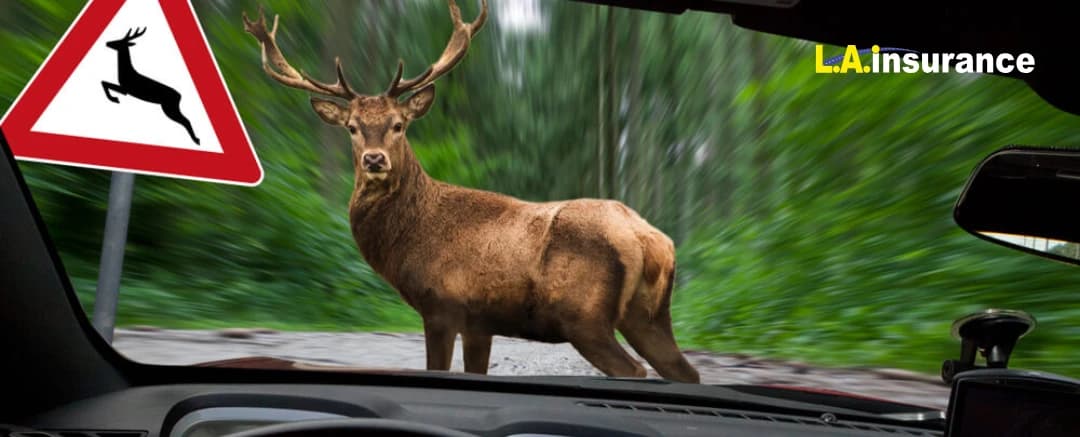
Credit: lainsurance.com
Filing A Claim After A Deer Accident
After a deer accident, filing a claim with your insurance company can feel overwhelming. Knowing how to properly handle the process can make a big difference in how smoothly your claim is resolved. You want to be clear, organized, and proactive to increase your chances of getting the coverage you deserve.
Documenting The Incident
Start by taking clear photos of the damage to your car and the surrounding scene. Capture multiple angles and any skid marks or debris that could support your case.
Write down exactly what happened while it’s fresh in your mind. Include the time, location, weather conditions, and details about the deer if possible.
Gather witness information if anyone saw the accident. This can help validate your story to the insurance adjuster.
Working With Adjusters
Be honest and straightforward when speaking with your insurance adjuster. Give clear answers and avoid guessing or exaggerating details.
Ask questions about what documents or evidence they need from you. This shows you’re engaged and want to help the process move forward.
Keep a record of every conversation, including dates, times, and names of the people you speak to. This can protect you if any disputes arise later.
Claim Approval Tips
Review your policy carefully to understand your coverage limits and deductibles before filing. Knowing what to expect can prevent surprises.
Submit your claim as soon as possible after the accident to avoid delays or complications. Waiting can sometimes affect your eligibility.
Follow up regularly with your insurance company to check the status of your claim. Staying on top of it helps ensure your case doesn’t get lost in the shuffle.
Have you ever wondered why some claims get approved quickly while others drag on? It often boils down to how well the incident was documented and how cooperative you are with your insurer.
Preventing Deer-related Car Damage
Preventing deer-related car damage helps save money and keeps drivers safe. Collisions with deer cause many accidents each year. Taking steps to avoid these crashes reduces damage and injury risks.
Drivers must stay alert, especially in rural areas or during dusk and dawn. Deer are more active at these times. Understanding how to prevent crashes improves safety for everyone on the road.
Safe Driving Practices
- Reduce speed in areas with deer activity.
- Use high beams at night when no cars approach.
- Scan both sides of the road for movement.
- Brake firmly but avoid swerving to prevent loss of control.
- Stay calm if a deer suddenly appears in front of your car.
Deer Warning Signs
- Watch for yellow diamond-shaped deer crossing signs.
- Be extra cautious in fall and spring seasons.
- Observe roadside brush and wooded areas where deer hide.
- Expect more deer activity near water sources and fields.
- Slow down when you see one deer; more may follow.
Vehicle Safety Features
- Install deer whistles to alert animals with sound.
- Use automatic emergency braking systems for quick stops.
- Consider vehicles with strong front-end crash protection.
- Keep headlights and windshield clean for better visibility.
- Maintain good tire condition for better control during sudden stops.

Credit: www.freeadvice.com

Credit: www.reddit.com
Frequently Asked Questions
Does Insurance Cover Deer Hitting Your Car?
Yes, comprehensive auto insurance typically covers damage from deer collisions. Collision coverage may also apply if you hit a deer. Check your policy to confirm coverage specifics and deductibles.
What Type Of Insurance Covers Deer Accidents?
Comprehensive insurance covers accidents involving animals like deer. It pays for repairs after a deer collision, excluding liability claims. Collision coverage might help if you swerve and crash.
Do I Need To Report A Deer Accident To Insurance?
Yes, report the accident promptly to your insurer. Provide details and photos if possible. Timely reporting helps speed up claim processing and repair approval.
Will My Insurance Premium Increase After A Deer Accident?
Premium increases depend on your insurer and claim history. Some companies may raise rates after claims, while others do not. Check your policy or ask your agent for details.
Conclusion
Insurance often covers deer collisions, but specifics vary. Check your policy details. Comprehensive insurance usually handles these accidents. Always report deer accidents promptly. Document the scene for clarity. This helps in smooth claims. Understanding your policy saves time and stress.
Regularly review insurance terms. Stay informed about coverage limits. Prevention is key too. Drive cautiously in deer-prone areas. Early mornings and evenings are high-risk times. Bright headlights may help. Slow down when visibility is low. Stay alert, stay safe. Insurance is a safety net, but awareness protects best.