
Have you ever wondered if your insurance will cover the cost of a rental car after an accident? If you’ve been in a crash, the last thing you want to worry about is how you’ll get around while your car is being repaired.
Understanding whether your insurance pays for a rental car can save you time, money, and stress. You’ll discover exactly what to expect, what your policy might cover, and how to avoid unexpected bills. Keep reading to make sure you’re fully prepared if the unexpected happens.
When Rental Car Coverage Applies
Knowing when your insurance covers a rental car after an accident can save you from unexpected expenses. Coverage isn’t automatic—it depends on the type of insurance you have and specific conditions tied to your policy. Understanding these details helps you avoid surprises and plan better during a stressful time.
Types Of Insurance That Cover Rentals
Several types of insurance might cover rental car costs after an accident. Your personal auto insurance policy often includes rental reimbursement coverage, which pays for a rental while your car is being repaired. Not all policies have this, so check your declarations page carefully.
Credit cards can also play a role. Many cards offer rental car insurance as a benefit, but usually only if you use the card to pay for the rental. This coverage is often secondary, meaning it kicks in after your primary insurance pays.
Additionally, rental companies offer their own insurance options, like Loss Damage Waivers (LDW) or Collision Damage Waivers (CDW). Buying these waivers at the rental counter can cover damages and sometimes even the cost of a replacement vehicle.
Conditions For Coverage Activation
Coverage activation depends on specific conditions laid out by your insurer or credit card company. Typically, your insurance only covers rental cars if the accident involves your insured vehicle and you report the claim promptly.
Some policies require you to rent a vehicle of similar size or type to your own. Renting a luxury car or a different class might not be covered, so always check the fine print before booking.
Another key condition is the duration of coverage. Many insurance policies limit rental reimbursement to a certain number of days or until your car is repaired. If repairs take longer, you might have to cover extra rental costs yourself.
Have you ever assumed your insurance would cover every rental expense after an accident, only to find out otherwise? Being clear on these conditions helps you avoid that pitfall and make smarter choices when renting.

Credit: citycarandtruckrental.com
How Claims For Rental Cars Work
Claims for rental cars after an accident can be confusing. Understanding how the process works helps you handle it better. Insurance companies follow specific steps to process these claims. Knowing what to expect saves time and stress.
Filing A Rental Car Claim
Start by informing your insurance company right away. Provide details about the accident and the rental car. Share the rental agreement and any police reports. The insurer may ask for photos or damage estimates.
Next, the insurance adjuster reviews your claim. They check coverage and liability. They determine if your policy pays for the rental car. Sometimes, the rental company files a claim directly with the insurer.
Typical Payout Limits And Timeframes
Insurance often covers rental costs up to a daily or total limit. These limits vary by policy and accident type. Common daily limits range from $30 to $50. Total coverage may last for a few weeks.
Claims usually take a few days to a few weeks to process. Faster responses happen when all documents are complete. Delays occur if more investigation or paperwork is needed.
Tips To Maximize Rental Car Benefits
Maximizing rental car benefits after an accident saves money and stress. Knowing how to use your insurance coverage well helps you avoid extra costs. Careful planning and understanding your policy ensure you get the most from your rental car benefits.
Choosing The Right Coverage
Select coverage that includes rental car reimbursement. Check if your policy covers the full rental period. Look for limits on daily and total rental costs. Confirm if coverage applies only after fault is determined. Consider adding rental coverage if it is not included. Review your policy before an accident happens. This reduces surprises during claims.
Avoiding Common Claim Mistakes
- Report the accident to your insurer quickly.
- Keep all rental car receipts and documents.
- Rent only from approved companies to avoid denied claims.
- Do not extend the rental without insurer approval.
- Follow insurer instructions for car return and paperwork.
- Be honest about accident details and rental use.
- Ask questions if policy terms are unclear.
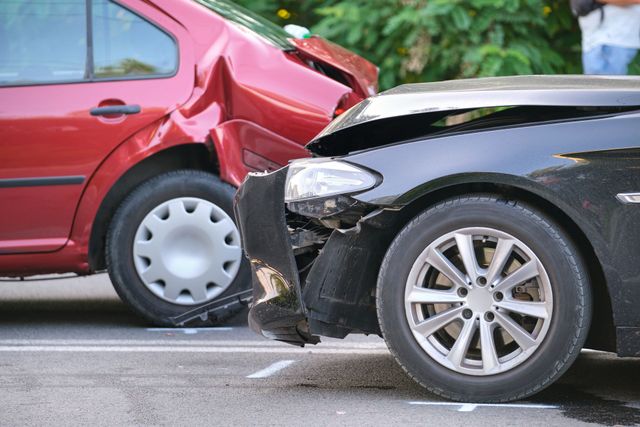
Credit: www.vicecollision.com

Credit: binscars.com
Frequently Asked Questions
Does Insurance Cover Rental Cars After An Accident?
Yes, many insurance policies include rental car coverage. It depends on your policy and the accident details. Check if you have rental reimbursement coverage to know if costs are covered after an accident.
How Long Will Insurance Pay For A Rental Car?
Insurance typically pays for rental cars during repair time. This usually lasts from a few days to several weeks. Coverage duration depends on your policy limits and repair estimates.
Is Rental Car Coverage Included In Standard Auto Insurance?
Rental car coverage is not always included by default. It’s often an optional add-on called rental reimbursement. Verify your policy or contact your insurer to confirm if you have this coverage.
Will Insurance Pay For Rental Car If I’m At Fault?
If you have rental reimbursement coverage, insurance pays regardless of fault. Without it, you might need to pay rental costs yourself. Always review your policy terms for fault-related coverage.
Conclusion
Navigating rental car coverage after an accident can be tricky. Insurance policies vary. Always check your specific policy details. Some insurers cover rental costs. Others might not. Contact your insurance agent. Ask about rental car coverage. Understanding your policy prevents unexpected expenses.
Knowing your coverage saves time and stress. It ensures you’re not left without transportation. Stay informed and prepared. This knowledge helps you make confident decisions. Your peace of mind matters.