
Want your car to look shiny and new again? Polishing your car is the secret to bringing back that smooth, glossy finish.
But how do you polish your car the right way without damaging the paint? If you’ve ever wondered how to get that professional shine at home, you’re in the right place. Keep reading, and you’ll discover simple steps and expert tips that anyone can follow to make your car sparkle like it just rolled off the showroom floor.
Ready to unlock your car’s true shine? Let’s dive in!
Choosing The Right Polish
Choosing the right polish is key to a shiny and smooth car surface. The polish must match the car’s paint and condition. Using the wrong product can cause damage or leave poor results. Understanding different types of polishes helps in picking the best one for your car. Also, checking the paint condition guides the choice of polish strength and type.
Types Of Car Polishes
- Rubbing Polish:Removes scratches and oxidation. It is abrasive and best for older, damaged paint.
- Glaze Polish:Adds shine and hides minor imperfections. Less abrasive and used after rubbing polish.
- Finishing Polish:Creates a smooth, reflective surface. It is very gentle and used on well-maintained paint.
- Spray Polish:Easy to apply and quick drying. Ideal for light cleaning and enhancing shine.
Selecting Based On Paint Condition
Check the paint surface carefully before choosing polish. Deep scratches and oxidation require rubbing polish. Light scratches and swirl marks respond well to glaze or finishing polish. New or well-maintained paint needs a gentle polish to avoid damage. Always test a small area first to see how the polish reacts.

Credit: www.youtube.com
Preparing Your Car
Preparing your car is the first and most important step before polishing. Dirt, dust, and grime can scratch the paint during polishing. Cleaning the surface ensures a smooth finish and better results. Take time to properly prepare your car for the best shine.
Washing And Drying
Start by rinsing your car with water to remove loose dirt. Use a gentle car shampoo and a soft sponge or mitt. Wash the car in sections to avoid soap drying on the paint. Rinse thoroughly with clean water.
Dry the car with a microfiber towel or a soft cloth. Avoid air drying to prevent water spots. Pat the surface gently to absorb moisture. Make sure the car is completely dry before moving to the next step.
Removing Surface Contaminants
After washing, check for surface contaminants like tar, tree sap, and iron particles. These can damage the paint if not removed. Use a clay bar kit to safely lift contaminants from the surface.
Lubricate the paint with the clay bar lubricant. Gently rub the clay bar over the paint in straight lines. Avoid circular motions to prevent scratches. Wipe off any residue with a clean microfiber cloth.
Removing contaminants ensures the polish works on a clean surface. It helps the polish spread evenly and shine better. This step protects your paint and improves the polishing outcome.
Polishing Techniques
Polishing your car brings out its shine and smooths the paint surface. It removes light scratches and dullness. Using the right techniques improves the finish and protects your car’s look. Polishing can be done by hand or with a machine. Both ways need care and the right products. Choose the method that fits your comfort and the car’s condition.
Hand Polishing Tips
Hand polishing gives you control and is gentle on paint. Use a soft foam or microfiber applicator pad. Apply a small amount of polish on the pad. Work on a small area at a time with circular motions. Keep the pressure even but not too hard. Wipe off residue with a clean microfiber cloth. Repeat until the surface looks smooth and shiny.
- Clean the car before polishing to avoid scratches.
- Use light pressure to avoid damaging the paint.
- Work in the shade to prevent polish from drying too fast.
- Keep polish off plastic trims to avoid damage.
Using A Machine Polisher
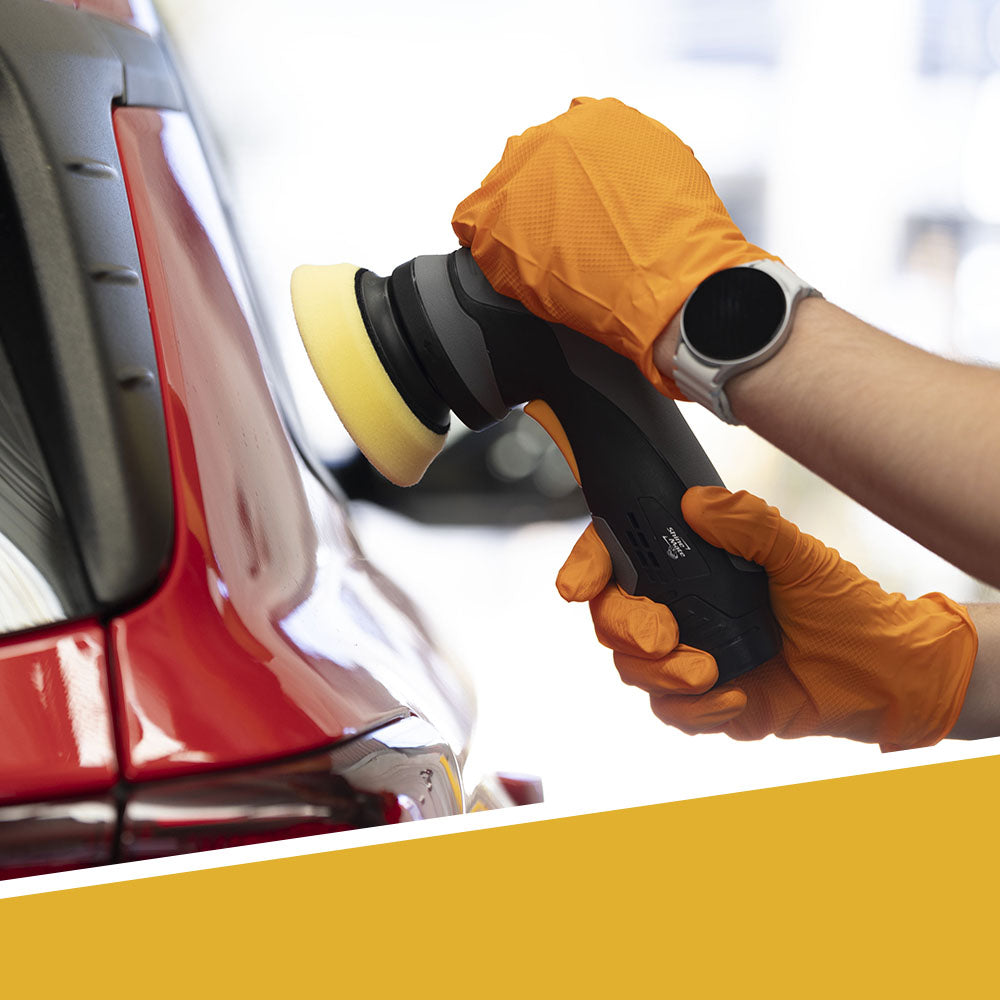
A machine polisher speeds up the job and gives a professional finish. Use a dual-action polisher for safety and better control. Attach the correct foam or wool pad based on polish type. Start on low speed to spread polish evenly. Increase speed carefully to work the polish into the paint. Move the machine in slow, overlapping passes. Do not stay too long in one spot. Clean excess polish with a microfiber cloth after polishing.
- Read the machine’s instructions before use.
- Keep the polisher moving to avoid heat build-up.
- Use protective gear like gloves and eye protection.
- Test on a small area before full polishing.

Credit: www.youtube.com
Finishing And Maintenance
Finishing your car polishing process and maintaining that fresh look is just as important as the polish itself. The right finishing products protect your paint and keep your car looking great longer. Regular upkeep prevents dullness and minor damages, saving you time and money on repairs later.
Applying Wax Or Sealant
After polishing, applying wax or a paint sealant adds a protective layer to your car’s surface. Wax gives a deep shine and smooth feel, but it usually lasts a few weeks. Sealants, often synthetic, provide longer-lasting protection—sometimes for several months.
Use a clean foam applicator to spread a thin, even coat. Let it haze over, then buff it off with a microfiber cloth. Have you noticed how a well-applied wax makes water bead up and roll off your paint? That’s your car’s shield working.
- Choose a product that fits your climate and driving habits.
- Apply in shaded areas to avoid streaks.
- Don’t forget to protect plastic and rubber trims with a suitable dressing.
Regular Upkeep For Lasting Shine
Polishing and waxing aren’t one-time tasks. To keep that shine, wash your car regularly using gentle, pH-balanced shampoos. Avoid harsh detergents—they strip protective layers and dry out your paint.
Quick detail sprays between washes can revive gloss and remove light dust. I keep a bottle in my car for instant touch-ups; it’s a simple trick that makes a big difference in appearance.
Ask yourself: how often does your car need a full polish versus just a quick touch-up? Monitoring your car’s condition will help you decide, saving you effort and money.
- Wash with two buckets—one for soapy water, one for rinsing.
- Use microfiber towels to avoid scratches.
- Inspect your car’s surface monthly to catch issues early.
Credit: www.waxit.com.au
Frequently Asked Questions
How Often Should I Polish My Car?
You should polish your car every 3 to 6 months. Polishing removes surface imperfections and restores shine. Frequency depends on your car’s exposure to elements and usage. Regular polishing maintains paint health and enhances the overall look. Avoid over-polishing to prevent paint damage.
What Tools Do I Need To Polish My Car?
You need a dual-action polisher, polishing pads, and car polish compound. Also, have microfiber towels and masking tape for protection. Proper tools ensure even application and better results. Using the right equipment saves time and avoids paint scratches.
Can I Polish My Car Without Washing It First?
No, always wash your car before polishing. Dirt and debris can scratch the paint during polishing. Clean surfaces allow polish to work effectively and produce a smooth finish. Skipping washing can damage your car’s paint.
Is Car Polishing Different From Waxing?
Yes, polishing removes imperfections while waxing adds a protective layer. Polishing smooths the paint by eliminating scratches and oxidation. Waxing seals in the polish and protects against contaminants. Both steps improve your car’s appearance but serve different purposes.
Conclusion
Polishing your car brings back its shine and protects the paint. Use the right tools and gentle movements for best results. Take your time and work in small sections for even polish. Regular polishing keeps your car looking fresh and new.
Remember, a clean car is easier to polish well. Enjoy the smooth, glossy finish after polishing. Your car will thank you with a brighter, cleaner look. Keep practicing, and polishing will become easier each time.