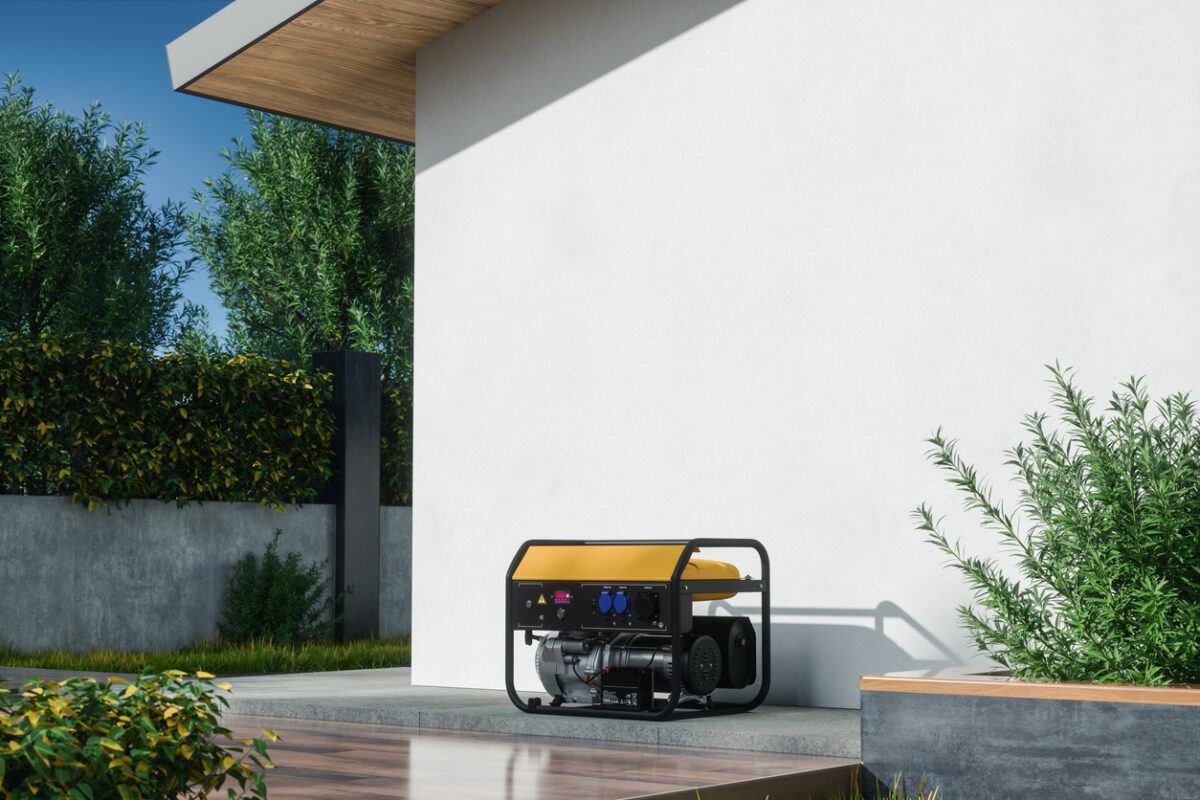
Have you ever wondered how long your portable generator can keep your lights on or your appliances running during a power outage? Knowing the answer can save you from unexpected surprises when you need backup power the most.
Whether you’re camping, working outdoors, or facing an emergency, understanding your generator’s runtime is key to planning ahead and staying comfortable. You’ll discover the factors that affect how long your portable generator can run and practical tips to make the most out of it.
Keep reading to make sure your power never runs out when you need it.

Credit: www.jackery.com
Factors Affecting Run Time
Understanding what affects your portable generator’s run time can save you from unexpected power outages. Several factors come into play, from the type of fuel you use to the size of your generator. Let’s break down these key elements so you can get the most out of your generator.
Fuel Type And Capacity
The kind of fuel your generator uses makes a big difference in how long it runs. Gasoline-powered generators tend to run for a few hours on a full tank, while propane or diesel models often last longer. Your fuel tank’s size also matters—bigger tanks mean longer run times without refilling.
Have you ever run out of fuel during a storm? Keeping extra fuel handy and knowing your generator’s fuel efficiency helps avoid that hassle. Always check the fuel type recommended by your generator’s manufacturer to ensure optimal performance.
Generator Size And Load
Your generator’s size is directly linked to how much power it can produce and how long it can sustain that power. A small generator running at full capacity will drain fuel faster than a larger one running at half load. Overloading your generator reduces efficiency and shortens run time.
Think about what you really need to power during an outage. Running only essential appliances can extend your generator’s operation. Have you tested your generator under different loads to see how it affects fuel consumption?
Environmental Conditions
Where and when you use your generator affects its run time too. Cold weather can make fuel thicker and harder to burn, reducing efficiency. High altitudes might also decrease engine performance, causing the generator to consume more fuel.
Wind, temperature, and humidity can all play subtle roles in how long your generator lasts. Placing your generator in a sheltered, well-ventilated spot can improve its operation. Have you noticed any difference in run time during extreme weather?
Tips To Extend Generator Operation
Extending the operation time of your portable generator not only saves you fuel but also ensures that you stay powered longer during emergencies or outdoor activities. Small changes in how you manage fuel, balance loads, and maintain your generator can make a significant difference. Let’s dive into practical tips that help you get the most out of your generator’s runtime.
Efficient Fuel Management
Fuel efficiency starts with choosing the right type of fuel recommended for your generator. Using fresh, clean fuel prevents clogging and keeps the engine running smoothly. Store fuel in approved containers away from heat or sunlight to maintain its quality over time.
Adjust the throttle to match your power needs rather than running the generator at full speed constantly. This simple adjustment can stretch your fuel supply much further. Have you tried using a fuel stabilizer to keep gas fresh during storage? It can prevent breakdowns and improve efficiency.
Load Balancing Techniques
Overloading your generator drains fuel faster and risks damage. Identify your essential devices and prioritize their power needs. Instead of powering everything at once, try to run appliances in shifts to lower the load.
Distribute electrical loads evenly across the generator’s circuits. This helps avoid spikes that waste energy and shorten runtime. Think about what you really need powered simultaneously; can you unplug less critical devices to save fuel?
Routine Maintenance Practices
Regular maintenance keeps your generator operating at peak efficiency. Change the oil after the first 20 hours of use and then every 50 hours or as the manual suggests. A clean air filter allows better airflow, which improves fuel combustion and extends engine life.
Check spark plugs and replace them if they show signs of wear. Also, inspect fuel lines for leaks or cracks that could waste fuel. Have you ever skipped maintenance only to find your generator struggling during a power outage? Keeping up with these tasks prevents that frustration.
Safety And Usage Guidelines
Using a portable generator requires careful attention to safety and proper operation. Knowing how to run your generator safely extends its life and protects your home and family. Follow clear guidelines to avoid risks such as carbon monoxide poisoning, fire, or electrical hazards.
Proper Ventilation
Always place the generator outdoors in an open area. Avoid running it inside garages, basements, or enclosed spaces. Exhaust fumes contain deadly carbon monoxide gas. Keep the generator at least 20 feet away from windows and doors. Use a fan or open windows near the generator to improve airflow. Never operate the generator near vents or air intakes of your home.
Avoiding Overloading
Check the generator’s wattage capacity before connecting appliances. Do not exceed the maximum power output. Overloading can damage the generator and connected devices. Use a power meter or consult the manual to add up wattage. Turn off appliances before plugging in new ones. Disconnect heavy loads if the generator shows signs of strain, like sputtering or low power.
Emergency Shutdown Procedures
Know how to shut down the generator quickly in emergencies. Turn off all appliances before switching off the generator. Use the main power switch or fuel valve to stop the engine. Allow the generator to cool down before refueling or moving it. Store fuel safely away from the generator and heat sources. Keep a fire extinguisher nearby in case of fire.

Credit: vtoman.com
Credit: www.nytimes.com
Frequently Asked Questions
How Long Can A Portable Generator Run Continuously?
A portable generator can typically run 8 to 12 hours continuously on a full fuel tank. Runtime depends on generator size, fuel type, and load. Always follow manufacturer guidelines to avoid overheating and ensure safe operation.
What Affects The Runtime Of A Portable Generator?
Runtime depends on fuel capacity, load demand, and engine efficiency. Higher loads consume more fuel, reducing runtime. Using energy-efficient appliances can extend generator operation between refueling.
Can I Run A Portable Generator Overnight Safely?
Yes, running a portable generator overnight is possible if you follow safety precautions. Ensure proper ventilation and fuel supply. Never operate indoors to avoid carbon monoxide poisoning.
How Often Should I Refuel My Portable Generator?
Refuel your generator every 8 to 12 hours or when the fuel runs low. Avoid refueling while the generator is hot to prevent fire hazards.
Conclusion
Portable generators can run for several hours depending on fuel and load. Regular fuel checks keep them running smoothly and safely. Overloading shortens run time and can cause damage. Plan your power needs before use to avoid surprises. Take breaks to cool the generator and prevent overheating.
With proper care, your generator will provide reliable power when needed. Remember, safe operation always comes first for lasting performance.