
If you’ve ever wondered, “How long does it take to change car brakes?” you’re not alone. Knowing the time it takes can help you plan better and avoid unexpected delays.
Whether you’re doing it yourself or visiting a mechanic, understanding the process can save you stress. You’ll discover the typical time needed, factors that affect it, and tips to make the brake change quicker and smoother. Keep reading to get the clear answers you need for your car’s safety and your peace of mind.
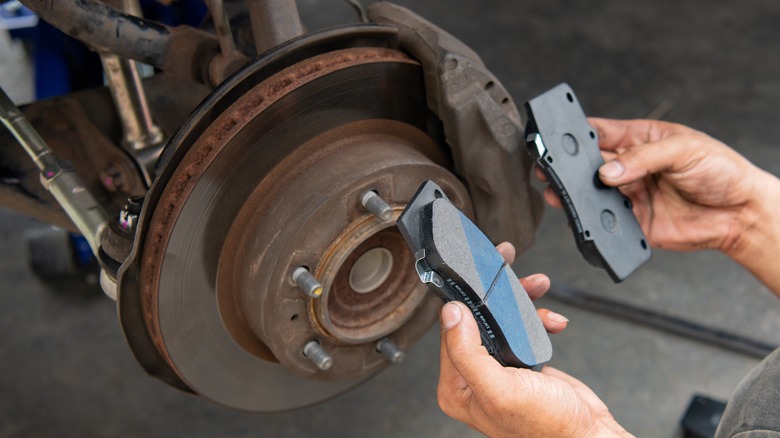
Credit: www.jalopnik.com
Factors Affecting Brake Change Time
Changing car brakes does not take the same time for every vehicle. Several factors influence how quickly the job gets done. Understanding these can help set the right expectations and plan better.
Each car and brake system varies in complexity. The skill of the person doing the work also plays a big role. Here are the key factors that affect brake change time.
Type Of Vehicle
Small cars often have simpler brake systems. This makes the brake change faster and easier. Larger vehicles, like trucks or SUVs, have bigger brakes. These require more time to remove and replace. Some sports cars have special brakes that need careful handling. The vehicle’s make and model can also impact the time.
Brake System Design
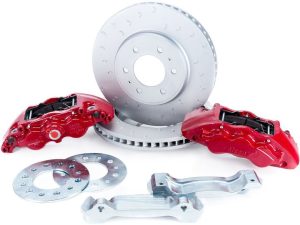
Disc brakes are common and usually quicker to service. Drum brakes take longer because of their design. Some cars have advanced brake systems with extra sensors. These sensors must be handled carefully to avoid damage. Brake systems with electronic parking brakes add steps to the process. The layout and complexity of the brake system affect timing.
Experience Level
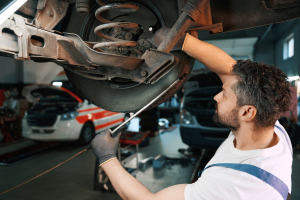
Experienced mechanics can change brakes faster. They know the tools and steps well. Beginners may take longer due to less confidence or knowledge. Mistakes made by novices slow down the process. Familiarity with the specific vehicle model helps speed up work. Experience also reduces the risk of errors during replacement.

Credit: www.sunautoservice.com
Step-by-step Brake Replacement Process
Changing car brakes is a task that requires careful attention and proper steps. Following the right process ensures safety and extends the life of your vehicle. The step-by-step brake replacement process breaks down this task into manageable parts.
Each step focuses on important actions, from preparing the vehicle to final testing. This guide helps you understand how long the process takes and what to expect during each phase.
Preparing The Vehicle
Start by parking the car on a flat surface. Engage the parking brake and place wheel chocks behind the wheels. Loosen the lug nuts slightly before lifting the car with a jack. Secure the vehicle with jack stands for safety. Remove the wheel to access the brake components.
Removing Old Brakes
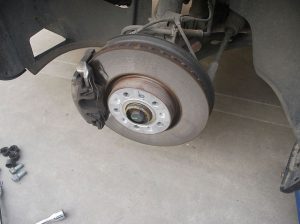
Locate the brake caliper and remove its bolts carefully. Use a tool to compress the caliper piston if needed. Take off the caliper and hang it securely to avoid strain on the brake hose. Remove the old brake pads and inspect the rotor for wear or damage. Remove the rotor if it needs replacement or resurfacing.
Installing New Brakes
Clean the hub surface before placing the new rotor. Install new brake pads into the caliper bracket. Reattach the caliper over the pads and secure it with bolts. Make sure all components fit tightly and correctly. Repeat the process on the other side for balanced braking.
Testing And Final Checks
Before lowering the car, pump the brake pedal to set the pads. Check the brake fluid level and top it up if necessary. Lower the vehicle and tighten the lug nuts fully. Test the brakes at low speed to confirm proper function. Listen for unusual noises and ensure smooth braking.
Tips For Faster Brake Changes
Changing car brakes can be a time-consuming task if you’re not prepared. However, with some smart strategies, you can speed up the process without sacrificing quality or safety. Here are practical tips to help you get your brakes changed faster and more efficiently.
Gathering Tools In Advance
Before you start, collect all the necessary tools and parts. This includes wrenches, brake pads, a jack, and any specialty tools your car might need.
Having everything ready prevents you from wasting time searching for items mid-job. It’s surprising how much faster you can work when your tools are organized and close by.
Following A Checklist
Create a clear checklist of each step involved in the brake change. This keeps you focused and reduces the chance of missing critical tasks.
A checklist also helps you track your progress. It’s easier to spot what’s done and what’s left, which keeps the process smooth and avoids unnecessary backtracking.
Regular Maintenance Benefits
Keeping your brakes in good condition means less time fixing big problems later. Regular checks allow you to spot wear before it turns into a major hassle.
Routine maintenance can reduce the time you spend on brake changes because parts are easier to remove and replace. Have you noticed how well-oiled parts come off more quickly?

Credit: events.werindia.com
Frequently Asked Questions
How Long Does It Take To Change Car Brakes?
Changing car brakes typically takes 1 to 2 hours. The exact time depends on your car model and brake type. Professional mechanics may complete the job faster. DIY brake replacement could take longer for beginners.
Can I Change Car Brakes Myself?
Yes, you can change car brakes yourself if you have basic mechanical skills. Ensure you have the right tools and follow safety precautions. Refer to your vehicle’s manual for specific instructions.
How Often Should Car Brakes Be Replaced?
Car brakes usually need replacement every 30,000 to 70,000 miles. However, this varies based on driving habits and brake quality. Regular inspections help detect worn brake pads early.
What Affects Brake Replacement Time?
Brake replacement time depends on car make, brake type, and condition. Complex systems or rusted parts may increase time. Experience level of the mechanic also influences duration.
Conclusion
Changing car brakes usually takes about one to two hours. The exact time depends on your car model and brake type. Skilled mechanics can often finish faster. Doing it yourself might take longer if you are new to car repairs.
Remember, brake safety is very important. Don’t rush the job. Regular brake checks help keep your car safe on the road. Plan for extra time if parts need replacement. Proper brake maintenance saves money and prevents accidents. Keep your brakes in good shape for smooth, safe driving.