
Have you ever wondered, “How long does it take to fix car brakes?” When your brakes start to feel less responsive or make strange noises, it’s natural to worry about the time and hassle involved in getting them fixed.
You want to get back on the road safely—and fast. You’ll discover exactly what affects brake repair time, what to expect during the process, and how you can prepare to make it as quick and smooth as possible. Keep reading to take control of your car’s safety without unnecessary delays.

Credit: simonsautorepairtaunton.com
Factors Affecting Brake Repair Time
Several factors influence how long brake repairs take. Understanding these can help set realistic expectations. Repair time varies from a quick fix to several hours or more. Each situation depends on specific conditions and vehicle needs.
Type Of Brake Issue
Brake problems range from simple to complex. Replacing brake pads usually takes less time. Fixing a brake line or caliper can take longer. The severity of the damage affects repair length. Minor issues might be resolved in under an hour. Major repairs require more time and effort.
Car Make And Model
Different cars have different brake systems. Some models have easier access to brake parts. Others need more time to disassemble and reassemble. Luxury and foreign cars may have unique components. These can increase repair time due to complexity. Older cars might also need extra care.
Parts Availability
Brake repair speed depends on part availability. Common parts are often in stock at repair shops. Rare or specialized parts may need to be ordered. Shipping delays can extend repair time by days. Shops with good suppliers can fix brakes faster. Quick part access means quicker repairs.

Credit: simonsautorepairtaunton.com
Typical Timeframes For Common Brake Repairs
Knowing how long brake repairs take can help you plan your day better. Different brake issues require different amounts of time to fix. Understanding typical timeframes for common brake repairs gives you a clearer idea of what to expect.
Brake Pad Replacement
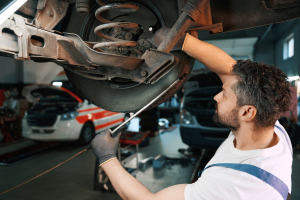
Replacing brake pads usually takes about 30 to 60 minutes per axle. The process involves removing the wheel, taking out the old pads, and installing new ones. If your brake calipers need servicing too, it might add a bit more time.
When I had my brake pads replaced, the mechanic finished quicker than I expected. It was a straightforward job, but I learned that worn-out pads can seriously affect your stopping power. How often do you check your brake pads?
Brake Fluid Flush
A brake fluid flush typically takes 30 to 45 minutes. This involves draining old fluid and refilling with fresh brake fluid to maintain braking efficiency. It’s a simple but important maintenance task to avoid brake failure.
Skipping fluid changes can lead to corrosion inside your brake lines. Have you noticed a spongy brake pedal? That’s a sign you might need a fluid flush sooner than you think.
Rotor Replacement
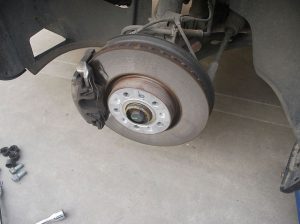
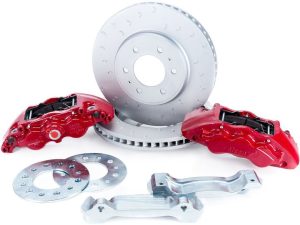
Replacing brake rotors takes longer, usually about 1 to 2 hours per axle. Rotors need to be removed carefully and replaced with new ones, and sometimes the calipers and pads must be adjusted afterward. This repair demands more precision and time.
When I replaced my rotors, the mechanic explained how warped rotors cause vibrations when braking. If you feel shaking or noise, rotor replacement could be the fix. Don’t ignore these signs—they affect your safety on the road.
Tips To Speed Up Brake Repairs
Speeding up brake repairs not only saves you time but also keeps your vehicle safer on the road. Small actions you take can prevent long waits and unexpected delays. Here are practical tips to help you get your brakes fixed faster.
Regular Maintenance
Keeping up with regular brake maintenance helps you spot issues early. Checking brake pads, fluid levels, and rotor conditions can prevent sudden breakdowns. Have you ever delayed a simple check, only to face a longer repair later?
Routine inspections mean mechanics spend less time diagnosing problems. They can jump straight to the repair, cutting down the total time. Think of it as investing a little time now to save hours in the future.
Choosing The Right Mechanic
Not all mechanics work at the same pace or with the same level of expertise. Finding a trusted, experienced professional can make a big difference in how quickly your brakes are fixed. Ask friends or read reviews to find someone reliable.
A mechanic familiar with your car model will have the right tools and parts ready. This reduces waiting time for special orders or unexpected complications. Have you checked if your mechanic stocks common brake parts?
Scheduling Repairs Early
Waiting until brakes make loud noises or feel spongy can lead to rushed and delayed repairs. Booking appointments at the first sign of trouble often means faster service. Shops are less busy, and your repair won’t be pushed back.
Try to avoid weekends or end-of-month rushes when shops are busiest. Planning ahead with a quick call can secure a spot that fits your schedule. What’s stopping you from scheduling that brake check today?
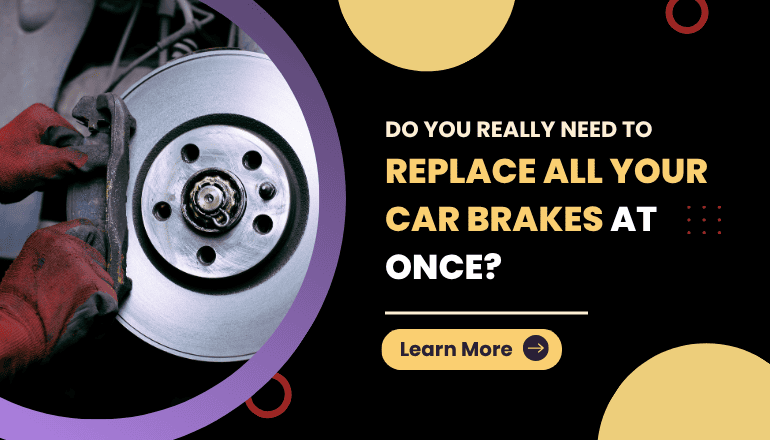
Credit: www.saiautocare.com.au
Frequently Asked Questions
How Long Does It Take To Replace Car Brake Pads?
Replacing car brake pads usually takes about 30 to 60 minutes. The time depends on the car model and mechanic’s experience. Proper brake pad replacement ensures safe and efficient braking performance.
What Affects The Time To Fix Car Brakes?
The brake repair time depends on the damage severity, brake type, and parts availability. Complex issues like rotor replacement take longer. Simple pad changes are quicker, usually under an hour.
Can I Drive Immediately After Brake Repair?
It’s best to avoid driving immediately after brake repair. Allow the brakes to settle and bedding-in process to complete, usually a few miles. This ensures optimal brake performance and safety.
How Often Should Car Brakes Be Inspected?
Car brakes should be inspected every 10,000 to 15,000 miles or annually. Regular checks prevent costly repairs and maintain safety. Early detection of wear helps extend brake system life.
Conclusion
Fixing car brakes usually takes about one to two hours. This depends on the problem and the car model. Simple brake pad changes are quick, while deeper repairs take longer. Always trust a skilled mechanic for safety. Regular brake checks help avoid big issues later.
Don’t wait if brakes feel strange or noisy. Safe brakes keep you and others protected on the road. Taking care of brakes saves time and money in the long run. Stay alert and maintain your car well.