
Have you ever wondered how many brake pads your car actually has? Knowing this simple fact can help you understand your vehicle better and keep it running safely.
Brake pads are crucial for stopping your car smoothly, but many people don’t realize how many are working behind the scenes every time they press the pedal. You’ll discover the exact number of brake pads on your car and why each one matters.
Keep reading, because this small detail could make a big difference in your driving experience and safety.

Credit: ivsabq.com
Brake Pad Basics
Understanding the basics of brake pads is essential for any car owner. Brake pads play a critical role in your vehicle’s safety by helping you stop smoothly and effectively. Knowing what types of brake pads exist and where they are located on your car can help you maintain them better and avoid costly repairs.
Types Of Brake Pads
Brake pads come in several types, each designed for different driving needs and conditions. The most common types include:
- Semi-metallic:Durable and good at heat dissipation, but they can be noisy and wear down rotors faster.
- Ceramic:Quieter and produce less dust, making them popular for daily driving.
- Organic (Non-Asbestos Organic, NAO):Softer and quieter, but they wear out faster and aren’t ideal for high-performance driving.
Choosing the right type depends on your driving style, budget, and vehicle requirements. Have you noticed your brakes making noise or producing dust? This might indicate the type of pads installed or if they need replacing.
Placement On The Vehicle
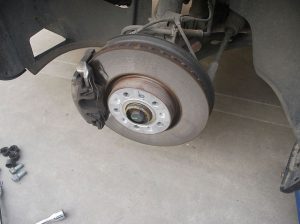
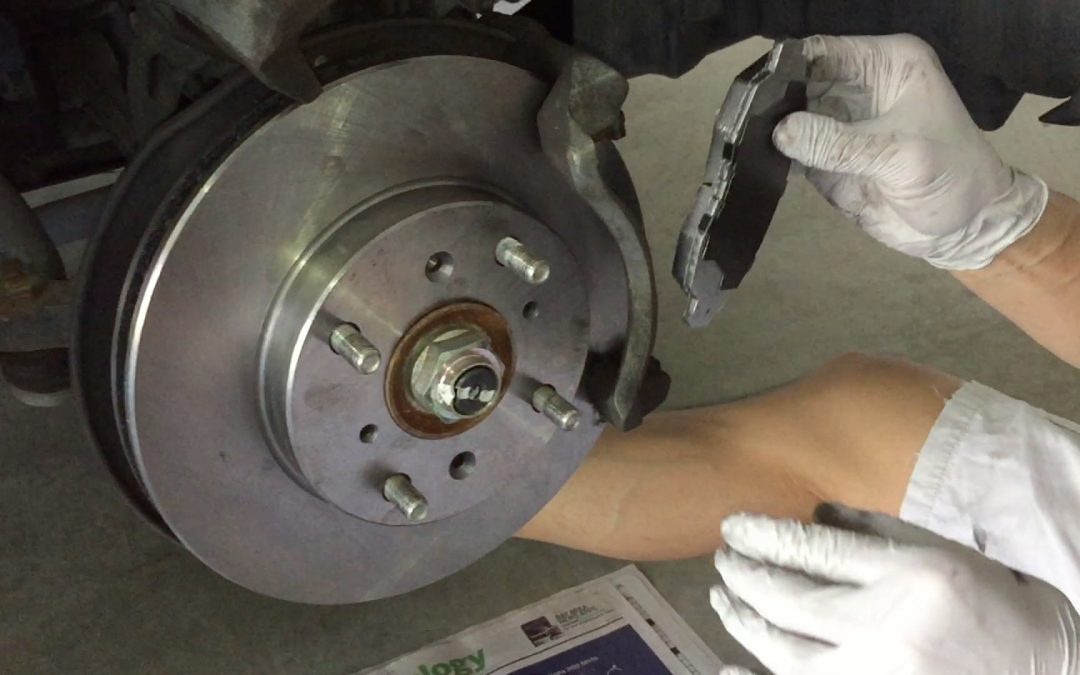
Your car usually has four brake pads—two on the front wheels and two on the rear. Each wheel has a pair of pads that squeeze the brake rotor to slow down the car.
Front brake pads typically wear out faster because the front of the car handles most of the stopping power. Rear pads last longer but still need regular checks.
Have you ever wondered why your car pulls to one side when braking? It could be uneven wear or issues with the brake pads on one side. Regular inspection helps you catch these problems early.
Number Of Brake Pads Per Car
Understanding the number of brake pads on your car helps you maintain safety and performance. Brake pads are critical components that press against the brake rotors to slow down or stop your vehicle. Knowing how many brake pads your car has can guide you during inspections and replacements.
Standard Four-wheel Setup
Most cars have a total of four brake pads—two on each wheel in the front and two on each wheel in the rear. Each wheel typically contains a pair of brake pads, one on each side of the rotor, to apply pressure evenly.
In my experience working on a family sedan, replacing all four brake pads at once saved time and ensured balanced braking performance. It’s easy to overlook the rear pads, but they play a key role in overall stopping power.
Variations In Different Vehicles
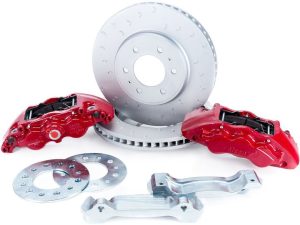
Not all vehicles follow the four-pad setup. Some high-performance cars and trucks use larger brake systems with more pads or different configurations. For example, some sports cars have larger front brakes with multiple pads per caliper to handle increased speed and heat.
Electric vehicles and hybrids may also have fewer brake pads due to regenerative braking, which reduces wear on traditional brakes. Have you checked if your car has a unique brake system? Understanding these differences helps you avoid buying the wrong parts or missing early signs of wear.
Signs To Replace Brake Pads
Recognizing the signs that your brake pads need replacement can save you from costly repairs and dangerous driving situations. Brake pads wear down over time, and ignoring the warning signals can affect your car’s stopping power. Paying attention to these signs helps you act before it’s too late.
Wear Indicators
Many brake pads come with built-in wear indicators—small metal tabs that create a squealing noise when the pads are nearly worn out. This sound is your car’s way of telling you it’s time to check the brakes.
Besides noise, visually inspecting your brake pads can also reveal wear. If the pad thickness is less than a quarter of an inch, it’s a clear sign they need replacing.
Have you ever noticed a persistent screeching when you brake? That might be your wear indicators alerting you. Ignoring this can lead to damage of the rotors, which costs much more to fix.
Performance Issues
If your car takes longer to stop or the brake pedal feels soft or spongy, your brake pads might be failing. These performance changes indicate reduced braking efficiency, which compromises your safety.
Another sign is a vibration or pulsing sensation when you apply the brakes. This often points to uneven brake pad wear or warped rotors, both requiring immediate attention.
Have you experienced your car pulling to one side during braking? This could signal uneven pad wear or brake system issues. Addressing these symptoms early can prevent accidents and expensive repairs.

Credit: www.youtube.com
Credit: technician.academy
Frequently Asked Questions
How Many Brake Pads Does A Typical Car Have?
A typical car has four brake pads, two for each front and rear wheel. Each wheel uses a pair of brake pads to clamp the rotor and stop the vehicle efficiently.
Why Do Cars Need Four Brake Pads?
Cars need four brake pads to ensure balanced braking on all wheels. This design provides effective stopping power and improves vehicle safety by distributing braking force evenly.
Can A Car Have More Than Four Brake Pads?
Some high-performance or heavy-duty vehicles may have more than four brake pads. These cars use additional pads for enhanced braking power and better heat dissipation during intense driving.
How Often Should Brake Pads Be Replaced?
Brake pads should be replaced every 30,000 to 70,000 miles, depending on driving habits. Regular inspection helps maintain safe braking performance and prevents damage to brake rotors.
Conclusion
Most cars have four brake pads, two per wheel on front or rear axles. Some vehicles use brake pads on all four wheels. Knowing this helps you check and replace them on time. Worn brake pads can reduce stopping power and cause damage.
Regular checks keep your car safe and brakes working well. Simple care can prevent costly repairs later. Remember, brake pads are key for your car’s safety and smooth driving.