
Have you ever wondered if your car tires have the right amount of air? Too little or too much air can cause problems you might not notice right away.
But getting it just right can save you money, improve your safety, and even boost your car’s performance. You’ll discover exactly how much air should be in your car tires and why it matters more than you think. Keep reading to learn the simple steps that can keep you and your vehicle rolling smoothly.
Credit: www.autocarindia.com
Optimal Tire Pressure Levels
Maintaining the right air pressure in your car tires isn’t just about safety; it directly affects your vehicle’s performance and fuel efficiency. Knowing the optimal tire pressure levels helps you avoid underinflation or overinflation, both of which can lead to uneven tire wear and costly repairs. But how do you figure out the correct amount of air for your tires? Let’s break it down.
Recommended Psi For Different Vehicles
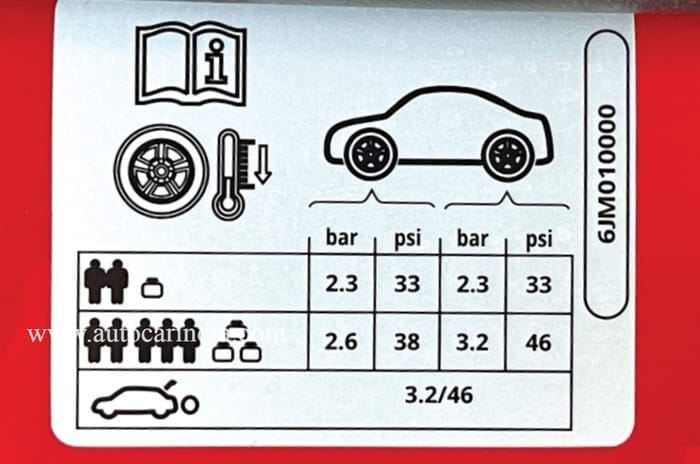
Each vehicle type has a specific recommended tire pressure, usually measured in pounds per square inch (PSI). You can find this information on a sticker inside the driver’s door or in your owner’s manual.
| Vehicle Type | Typical Recommended PSI |
|---|---|
| Compact Cars | 30 – 35 PSI |
| Sedans & Mid-Size Cars | 32 – 36 PSI |
| SUVs & Light Trucks | 35 – 40 PSI |
| Heavy Trucks & Commercial Vehicles | 40 – 70 PSI |
If you drive a compact car like I do, sticking to around 33 PSI keeps the ride smooth and the tires lasting longer. Have you checked your tire pressure recently? Even a 5 PSI difference can change how your car feels on the road.
Factors Affecting Tire Pressure
Tire pressure isn’t a “set it and forget it” number. Several factors affect how much air your tires need at any given time.
- Temperature:Cold weather can reduce tire pressure by about 1 PSI for every 10°F drop. Hot weather causes the air inside to expand, increasing pressure.
- Load:Carrying heavy cargo or extra passengers means you might need to add air to maintain the recommended PSI.
- Driving Conditions:Rough roads or high-speed driving can cause your tires to heat up and change pressure.
Last winter, I noticed my tires felt soft every morning. A quick check revealed they were underinflated by 4 PSI due to cold weather. Adjusting the pressure made a noticeable difference in how the car handled and improved fuel efficiency. When was the last time you adjusted your tire pressure for changing conditions?

Credit: www.carsales.com.au
Checking And Maintaining Tire Pressure
Keeping your car tires at the right pressure is crucial for safety, fuel efficiency, and tire longevity. Checking and maintaining tire pressure isn’t complicated, but it does require the right tools and timing. Let’s dive into how you can ensure your tires always have the perfect amount of air.
Tools For Accurate Measurement
Using the right tool makes all the difference. A reliable tire pressure gauge gives you a precise reading of your tire’s air pressure. Avoid guessing or relying on visual checks alone; they won’t tell you if your tires are under or over-inflated.
- Digital gaugesare easy to read and very accurate.
- Dial gaugesoffer good precision but can be harder to read in low light.
- Stick or pencil gaugesare affordable but less durable and accurate.
I once skipped using a proper gauge and ended up with under-inflated tires that wore out quickly. Since switching to a digital gauge, I’ve saved money and improved my car’s handling. Have you checked if your gauge is working correctly lately?
When And How Often To Check
Tire pressure changes with temperature, so checking it regularly is important. Aim to check your tires at least once a month and before any long trip. Tire pressure drops naturally over time, sometimes as much as 1 psi per month.
Check the pressure when the tires are cold—before you’ve driven or after the car has been parked for a few hours. Driving heats up tires, causing air to expand and giving you a false high reading.
Also, inspect your tires if you notice any changes in how your car handles. Are you feeling more vibration or less grip on the road? These can be signs that your tire pressure needs attention.
Safety Risks Of Incorrect Air Pressure
Incorrect air pressure in car tires creates serious safety hazards. Both too much and too little air affect driving control. Tire performance worsens. The risk of accidents grows. Understanding these risks helps maintain safe tires and safer journeys.
Effects Of Overinflation
Overinflated tires become too hard. This reduces the tire’s contact with the road. The car may skid more easily on wet or slippery roads. The ride feels bumpier and less comfortable. Tires wear out faster in the center. Overinflation can lead to tire blowouts, especially at high speeds. This sudden failure can cause loss of control and crashes.
Dangers Of Underinflation
Underinflated tires are too soft and flat. They increase rolling resistance, lowering fuel efficiency. The tire sidewalls flex more, causing extra heat build-up. This heat can damage the tire structure. Tires wear out faster on the edges. Handling and steering become sluggish and unsafe. The risk of tire blowouts rises with underinflation. It also increases stopping distances during braking.

Credit: carfromjapan.com
Frequently Asked Questions
How Much Air Pressure Is Ideal For Car Tires?
The ideal air pressure for car tires is usually between 30-35 PSI. Check your vehicle’s manual or the sticker inside the driver’s door for exact numbers. Proper pressure ensures safety, fuel efficiency, and tire longevity.
What Happens If Car Tires Have Too Much Air?
Overinflated tires cause a harsher ride and uneven tire wear. They reduce traction and increase the risk of tire damage from road debris or potholes. Always maintain recommended pressure for balanced performance.
How Often Should I Check Car Tire Air Pressure?
Check tire pressure at least once a month and before long trips. Tires naturally lose air over time, so regular checks help maintain optimal pressure and improve safety and fuel economy.
Can Underinflated Tires Affect Fuel Efficiency?
Yes, underinflated tires increase rolling resistance, causing the engine to work harder. This reduces fuel efficiency and leads to higher fuel costs and quicker tire wear.
Conclusion
Keeping the right air pressure in car tires matters a lot. It helps your car drive safely and saves fuel. Check tire pressure often, especially before long trips. Use the number found on the tire or in your car’s manual.
Avoid too much or too little air. Both can cause problems. Proper tire pressure makes your ride smooth and lasts longer. Taking a few minutes to check can prevent bigger issues later. Simple steps, big benefits. Stay safe on the road.