
Are you wondering how much new tires for your car will actually cost? Whether you’re facing worn-out treads or just want an upgrade, knowing the price can help you make the best choice without surprises.
Tires are more than just rubber—they affect your safety, comfort, and even fuel efficiency. You’ll discover the real factors that impact tire prices and how to find the right set for your budget and needs. Keep reading to make sure you get the best value and keep your car rolling smoothly.
Factors Influencing Tire Prices
Understanding what influences tire prices can help you make smarter choices when buying new tires for your car. Tire prices vary widely, and several key factors play a role in determining the final cost. Knowing these details can help you avoid overspending and find the best value for your needs.
Tire Size And Type
Your car’s tire size directly impacts the price. Larger tires or those with unusual dimensions often cost more because they require more material and specialized manufacturing.
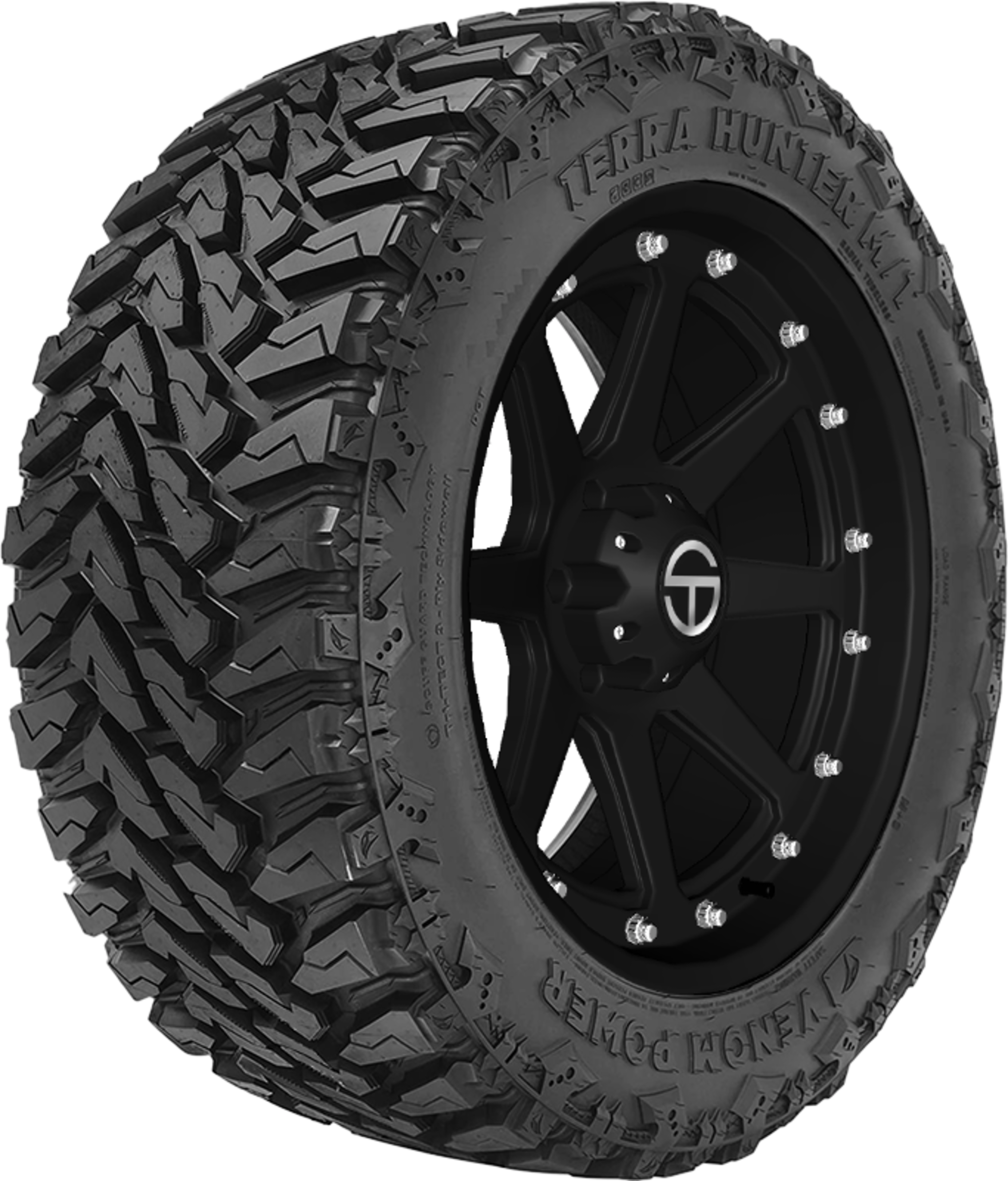
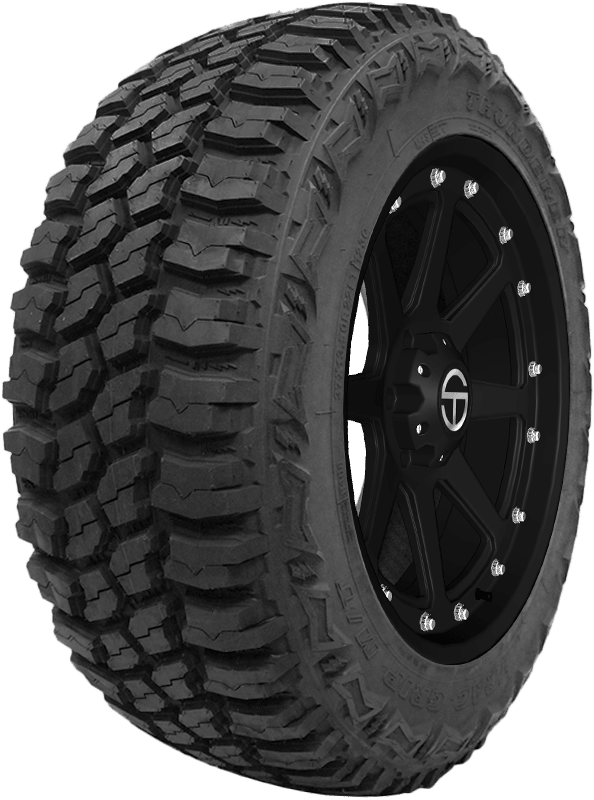
Type matters too. For example, all-season tires generally cost less than heavy-duty or off-road tires. If you drive a compact car, expect smaller, less expensive tires than those for SUVs or trucks.
Brand And Quality
Brand reputation often means a higher price tag. Well-known brands invest more in research and quality control, which can translate into better performance and longer tire life.
Cheaper brands might save you money upfront, but they can wear out faster or provide less grip. Have you ever bought a budget tire only to replace it much sooner than expected? That’s why quality is worth considering.
Seasonal And Performance Tires
Seasonal tires like winter or summer tires usually cost more than all-season ones. They’re designed for specific weather conditions and offer better safety and handling in those environments.
Performance tires, made for speed and agility, come at a premium price. If you value driving experience and control, investing in performance tires makes sense. But if you mainly drive on city roads, you might not need to pay extra for them.
Credit: simpletire.com
Price Ranges For Common Tire Categories
Understanding the price ranges of common tire categories helps with smart buying decisions. Tires vary widely in price based on quality, performance, and brand reputation. Each category suits different needs and budgets. Below is a breakdown of typical costs for each tire type.
Economy Tires
Economy tires cost between $50 and $100 per tire. They offer basic performance and durability. Ideal for drivers with low mileage or budget constraints. These tires focus on safety and reliability without extra features. Expect shorter tread life compared to pricier options.
Mid-range Tires
Mid-range tires usually range from $100 to $200 each. They provide better traction, comfort, and longer tread life. These tires suit everyday drivers who want balance between price and quality. Mid-range tires often include enhanced technology for wet and dry conditions.
Premium Tires
Premium tires cost $200 and up per tire. They deliver top performance in handling, durability, and safety. These tires often come with advanced materials and tread designs. Suitable for high-performance vehicles or those driving in extreme conditions. Premium tires offer the longest lifespan and best grip.
Additional Costs To Consider
Buying new tires involves more than just the sticker price. Several extra costs can affect the total amount you pay. These costs ensure your tires work safely and last longer. Understanding these fees helps you budget better for your car’s needs.
Installation And Balancing Fees
New tires need proper installation on your wheels. Shops charge a fee for this service. Installation includes mounting tires on rims and securing them correctly.
Balancing is another charge. It ensures the tire weight is evenly spread. Balanced tires reduce vibration and improve ride comfort. Without balancing, tires wear unevenly and cause steering issues.
These fees usually range from $15 to $50 per tire. Prices vary by location and vehicle type.
Tire Maintenance And Warranty
Some tires come with maintenance plans or warranties. These may cover repairs or replacements due to defects. Warranties often last from 30,000 to 70,000 miles.
Maintenance services include rotations and alignments. Rotations help tires wear evenly and last longer. Alignments correct wheel angles to prevent uneven wear.
These services cost extra, but they protect your investment. Skipping maintenance can lead to early tire damage.
Disposal And Environmental Fees
Old tires must be disposed of safely. Tire shops often add a disposal fee. This fee covers recycling or proper waste handling.
Disposal costs typically range from $2 to $6 per tire. Some states require these fees by law.
Recycling old tires helps reduce environmental harm. It turns tires into useful products like playground surfaces or road materials.

Credit: quattrotires.com
Credit: simpletire.com
Frequently Asked Questions
How Much Do New Car Tires Typically Cost?
New car tires usually cost between $100 and $300 each. Prices vary by brand, size, and tire type. Premium or specialty tires can cost more. Additional fees for installation and balancing may apply. Always compare prices for the best deal.
What Factors Influence The Price Of New Tires?
Tire price depends on size, brand, tread type, and performance rating. Seasonal tires like winter or all-terrain cost more. Warranty and technology features can also increase price. Local market and retailer discounts impact final cost.
How Often Should Car Tires Be Replaced?
Most tires need replacement every 3 to 6 years or after 25,000 to 50,000 miles. Check tread depth and tire condition regularly. Uneven wear, cracks, or damage signal replacement time. Proper maintenance can extend tire life.
Are Cheaper Tires Less Safe Than Expensive Ones?
Cheaper tires may use lower-quality materials and offer less durability. Expensive tires often provide better grip, handling, and safety features. However, some budget brands meet safety standards. Always check tire ratings and reviews before buying.
Conclusion
New tires for a car vary in price based on size and brand. Budget options start around $50 per tire. Premium tires can cost over $200 each. Don’t forget to include installation and balancing fees. Regular tire checks help avoid sudden replacements.
Choosing the right tires improves safety and fuel efficiency. Keep these points in mind when shopping. This way, you get good value and safe driving. Simple steps lead to smart tire choices.