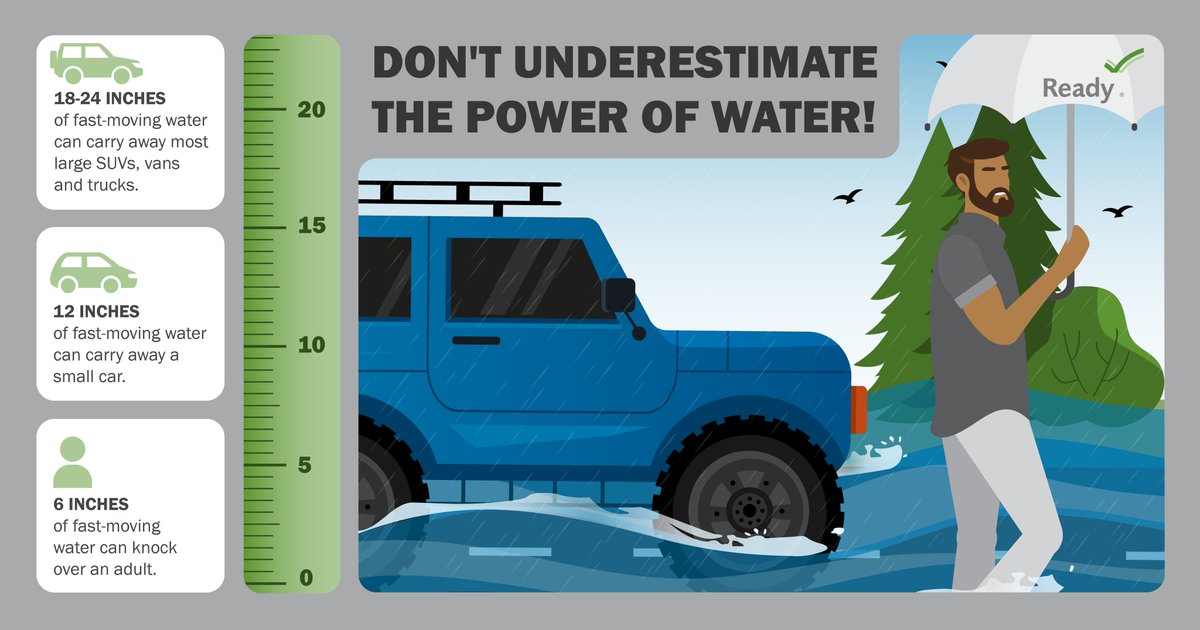
Have you ever wondered how much water it takes to actually carry a car away? It sounds unbelievable, but floods and strong water currents can move vehicles just like toys.
Understanding this can help you stay safe if you’re ever near rising waters. Keep reading to discover the surprising force of water and what you need to know to protect yourself and your loved ones. This knowledge could make all the difference in an emergency.

Credit: www.awaytravel.com
Water Force And Vehicle Weight
Understanding how much water it takes to carry a car away starts with grasping the relationship between water force and vehicle weight. Water isn’t just heavy—it’s powerful. The force exerted by moving water can push objects much heavier than you might expect, including cars.
Think about the last time you stood near a flowing river or a flooded street. You probably noticed how strong the current felt under your feet. Now imagine a car caught in that same flow. The weight of the vehicle plays a huge role in whether it stays put or gets swept away, but the water’s force can sometimes outweigh even that.
How Water Force Acts On Vehicles
Water force depends on speed and volume. Fast-moving water applies more pressure on a car’s surface, especially its sides and undercarriage. This pressure can lift and push the vehicle, overcoming the grip of the tires on the ground.
Consider the force of water as a combination of two factors:
- Hydrostatic pressure:The weight of standing water pressing against the car.
- Hydrodynamic force:The impact of flowing water pushing against the car.
Even a few inches of fast-flowing water can generate enough force to move a car. Have you ever seen videos where cars float away in seemingly shallow floods? That’s hydrodynamic force at work.
Vehicle Weight And Stability
Most cars weigh between 3,000 and 4,000 pounds. That sounds heavy, but water’s force can still move them under the right conditions. The key is whether the force of the water exceeds the friction and weight holding the car in place.
Heavier vehicles like trucks and SUVs resist movement better than lighter cars. But remember, if water depth and speed increase, even these can be swept away. Your car’s shape and tire grip also affect how easily it can be moved by water.
Real-world Examples Of Water Carrying Cars Away
In flood events, rescue teams often find cars displaced by water that was just 6 to 12 inches deep but moving quickly. Water flowing at just 6 miles per hour can exert a force strong enough to push a car off the road.
| Water Depth | Water Speed | Approximate Force on Vehicle | Likelihood of Moving a Car |
|---|---|---|---|
| 6 inches | 6 mph | ~1,500 lbs | High for smaller cars |
| 12 inches | 3 mph | ~2,000 lbs | Moderate to high |
| 18 inches | 4 mph | ~3,000 lbs | Very high |
Knowing this, have you ever underestimated how dangerous even shallow floodwater can be? Your vehicle’s weight alone doesn’t guarantee safety against moving water.
Real-life Flood Incidents
Floods can be surprisingly powerful, often catching people off guard. Understanding how much water it takes to move a car isn’t just theoretical—it’s a reality many have faced during floods. Real-life flood incidents provide clear evidence of how water’s force can turn a heavy vehicle into a floating hazard.
2019 Nebraska Floods: Cars Swept Away By Just A Few Inches Of Water
During the 2019 floods in Nebraska, numerous vehicles were swept off roads by water levels as low as 6 inches. This might sound unbelievable, but the flowing water created enough force to push cars sideways. Drivers reported feeling their vehicles lose traction and suddenly slide, a dangerous moment that shows how quickly water can overpower tires gripping pavement.
Texas Flooding 2017: The Power Of Moving Water
In Texas, heavy rains in 2017 led to flash floods that carried cars downstream. Water moving at just 5 mph can exert enough force to move a car weighing over 3,000 pounds. Witnesses shared stories of abandoned vehicles floating and hitting barriers, emphasizing how fast you need to act if caught in rising water.
Why Does Water Move Cars So Easily?
- Water’s buoyancyreduces the effective weight of a car, making it easier to move.
- Flowing waterapplies horizontal force against tires and the car body.
- Loss of tractionmeans tires can no longer grip the road, allowing the car to slide or float.
Knowing this, have you ever considered how a few inches of fast-moving water could affect your safety on the road?
Lessons From Real Incidents: What You Should Do
People caught in these floods often had seconds to decide whether to stay or leave their vehicle. The best advice is simple: never try to drive through floodwaters. If you see water covering the road, turn around. Your safety is more important than saving a car.
Next time you approach a flooded street, ask yourself—how much water is too much for your vehicle? Real stories show it doesn’t take much to become a hazard.
Safety Tips During Floods
Floods can be dangerous and cause serious damage. Knowing how to stay safe during floods saves lives. Simple precautions protect you and your family from harm. Follow clear safety tips to reduce risks around water and vehicles. Stay calm and prepared to act quickly in emergencies.
Stay Away From Moving Water
Never walk or drive through moving water. Just six inches of flowing water can knock a person down. A foot of water can move a car away. Moving water hides strong currents and deep holes. Wait for help or higher ground if water covers roads.
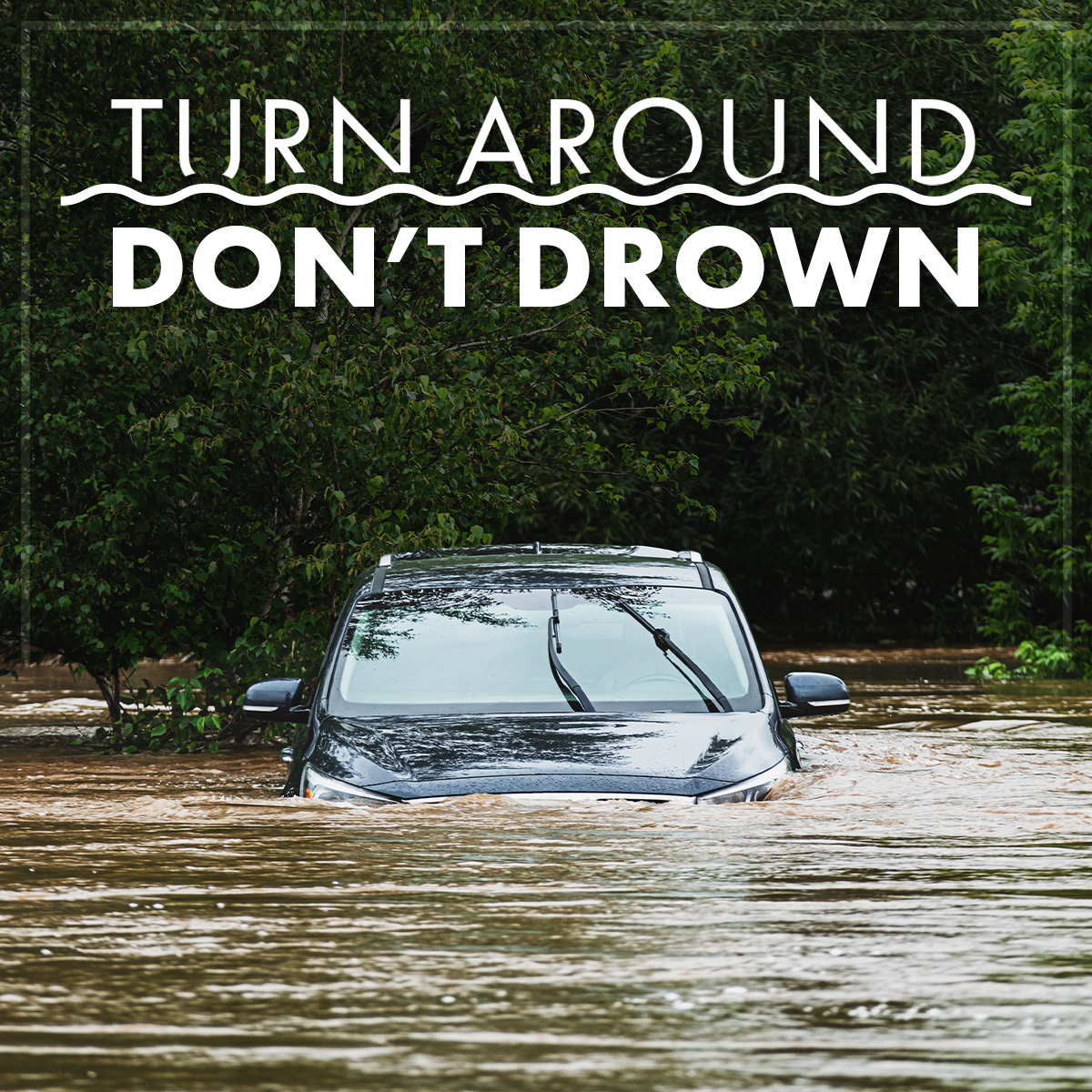
Turn Around, Don’t Drown
Do not try to cross flooded streets. Water depth and road damage are hard to see. Cars can stall or be swept away quickly. Find an alternate route or stay put until water recedes. This rule prevents many flood-related accidents.
Listen To Emergency Updates
Keep a battery-powered radio or smartphone with you. Follow local news and weather reports. Authorities announce evacuation orders and safety instructions. Staying informed helps you make safe choices fast.
Have An Emergency Kit Ready
Prepare a kit with water, food, flashlight, and first aid supplies. Include important documents and medications. Keep the kit in an easy-to-reach place. Emergency kits support you if you must leave your home.
Avoid Contact With Floodwater
Floodwater contains harmful bacteria and chemicals. Do not touch or drink it. Keep children and pets away from floodwater. Clean and disinfect anything that touches floodwater to prevent illness.
Know How To Escape Safely
Plan escape routes before floods occur. Use stairs to reach higher floors or roofs. Avoid elevators during floods. Call for help if trapped and signal your location clearly.
Credit: x.com

Credit: travel.usnews.com
Frequently Asked Questions
How Much Water Flow Carries A Car Away?
A water flow of about 6 inches deep moving fast can carry a car away. Strong currents exert force, lifting and pushing vehicles.
What Water Speed Moves A Car During Floods?
Water moving at 10 to 12 mph can sweep cars off roads. Faster speeds increase risk of vehicle displacement.
How Does Water Depth Affect Car Displacement?
Deeper water increases buoyancy, making cars easier to float and move. Even shallow, fast water can carry cars.
Can A Small Stream Carry A Car Away?
Small streams rarely carry cars unless water flow increases suddenly. Flash floods can turn streams into dangerous currents.
Conclusion
Water can carry a car away with enough force and volume. Just a few inches of fast-moving water can move a vehicle. Always respect water’s power near roads and rivers. Stay safe and avoid driving through flooded areas. Knowing how much water it takes helps understand the risk.
Remember, safety comes first when water rises. Never underestimate the strength of floodwaters. Stay alert and protect yourself and others.