
If you want your car to run smoothly and last longer, knowing when to change your synthetic oil is key. You might wonder, “How often should I really change synthetic oil?”
The answer isn’t as simple as you think. Changing it too soon wastes money, but waiting too long can harm your engine. You’ll discover the smart schedule for oil changes that keeps your car in top shape without unnecessary costs.
Keep reading to find out exactly what your car needs and why it matters to you.
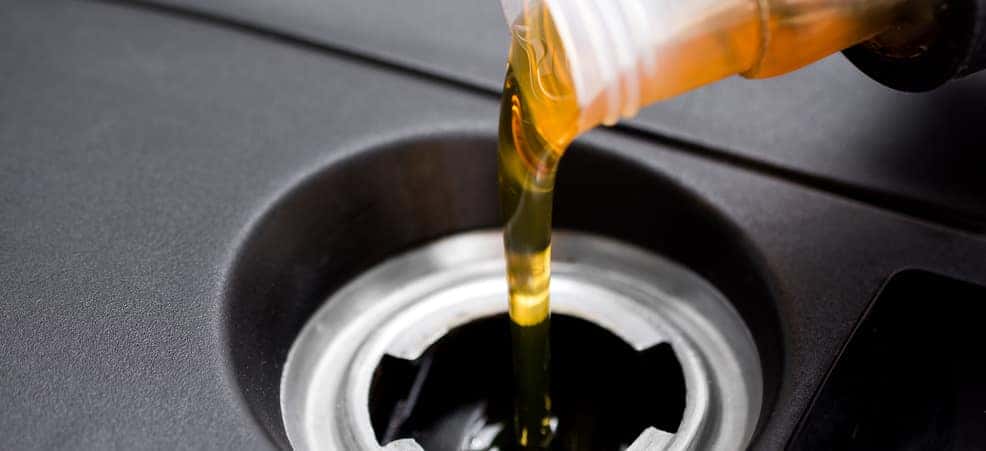
Credit: www.tonkinhillsborocjdr.com
Benefits Of Synthetic Oil
Synthetic oil offers many benefits for your car’s engine. It is designed to keep the engine clean and running smoothly. Using synthetic oil helps protect your engine parts better than regular oil. It also improves the car’s overall performance. Synthetic oil lasts longer, meaning you can go further between oil changes.
Enhanced Engine Protection
Synthetic oil resists breaking down under high heat. It forms a strong layer that protects engine parts. This reduces wear and tear over time. It also prevents sludge and deposits from forming inside the engine. Your engine stays cleaner and healthier with synthetic oil.
Improved Performance
Synthetic oil flows easily in cold and hot conditions. This helps the engine start faster and run better. It reduces friction between moving parts. The engine works more efficiently, which can improve fuel economy. Your car feels smoother and more responsive on the road.
Longer Oil Life
Synthetic oil lasts longer than conventional oil. It can handle extreme temperatures without losing quality. This means you can extend the time between oil changes. Longer oil life saves money and reduces waste. It keeps your engine protected for many miles.
Factors Affecting Oil Change Frequency
Knowing how often to change synthetic oil depends on more than just a general timeline. Several factors influence the ideal frequency for your car’s oil change. Understanding these can help you make smarter maintenance decisions and keep your engine running smoothly.
Driving Habits
Your daily driving style plays a big role in how quickly synthetic oil breaks down. Frequent short trips don’t let the engine warm up fully, causing moisture and fuel to mix with the oil. This contamination can reduce oil life, meaning you might need to change it sooner than the standard interval.
On the other hand, highway driving at steady speeds helps oil stay cleaner longer. But if you often tow heavy loads or drive aggressively, the oil’s job becomes harder. Ask yourself: do you push your car hard or mostly drive easy?
Climate Conditions
Extreme temperatures affect oil performance significantly. In very hot climates, oil can thin out faster, losing its ability to lubricate properly. Cold climates cause oil to thicken, making it harder for the engine to start and oil to circulate quickly.
If you live somewhere with harsh winters or scorching summers, you might need to change your oil more frequently. Synthetic oils are designed for better temperature tolerance, but they aren’t invincible. Have you noticed your engine running hotter or harder in certain seasons?
Vehicle Age And Model
Older cars often require more frequent oil changes because their engines have more wear and tear. Tiny gaps in engine parts let more contaminants mix with the oil, reducing its effectiveness. Newer models, especially those designed for synthetic oil, can often go longer between changes.
Some manufacturers provide specific recommendations tailored to your car’s design and engine type. Checking your owner’s manual or consulting a trusted mechanic can provide clarity. How old is your car, and do you know what oil change interval your model really needs?
Recommended Oil Change Intervals
Knowing the recommended oil change intervals helps keep your car running smoothly. Synthetic oil lasts longer than conventional oil. Following the right schedule protects your engine and improves performance. Check these guidelines to decide when to change your synthetic oil.
Manufacturer Guidelines
Car makers provide specific oil change recommendations. These are based on your car model and engine type. The owner’s manual is the best source for this info. Stick to the suggested interval for best results. Ignoring these guidelines can lead to engine problems.
Common Mileage Recommendations
Most synthetic oils allow longer use than regular oils. Typical mileage before an oil change ranges from 7,500 to 10,000 miles. Some high-quality synthetic oils last up to 15,000 miles. Driving habits and conditions can affect this range. Keep track of your mileage to know when to change oil.
Signs You Need An Oil Change
Watch for signals that oil needs changing. Dark or dirty oil indicates it is time for a change. Engine noise or knocking can mean oil is old or low. Oil change warning lights on your dashboard require immediate attention. Regular checks prevent costly engine damage.

Credit: www.crossroadshelpline.com
Tips For Maintaining Synthetic Oil
Maintaining synthetic oil in your car keeps the engine running smoothly. Proper care extends oil life and protects engine parts. Follow simple tips to get the best from synthetic oil.
Choosing The Right Oil
Select oil that fits your car’s make and model. Check the owner’s manual for the recommended oil type. Use high-quality synthetic oil with the correct viscosity. This helps the engine perform well in all weather.
Regular Oil Level Checks
Check oil levels every month or before long trips. Use the dipstick to see if oil is between minimum and maximum marks. Add oil if levels are low to avoid engine damage. Clean the dipstick before checking for accurate results.
Scheduling Professional Services
Visit a mechanic for regular oil changes and inspections. Professionals spot issues like leaks or dirty oil. Follow the service schedule suggested by your car’s manufacturer. Regular services ensure the oil stays effective and your engine stays healthy.
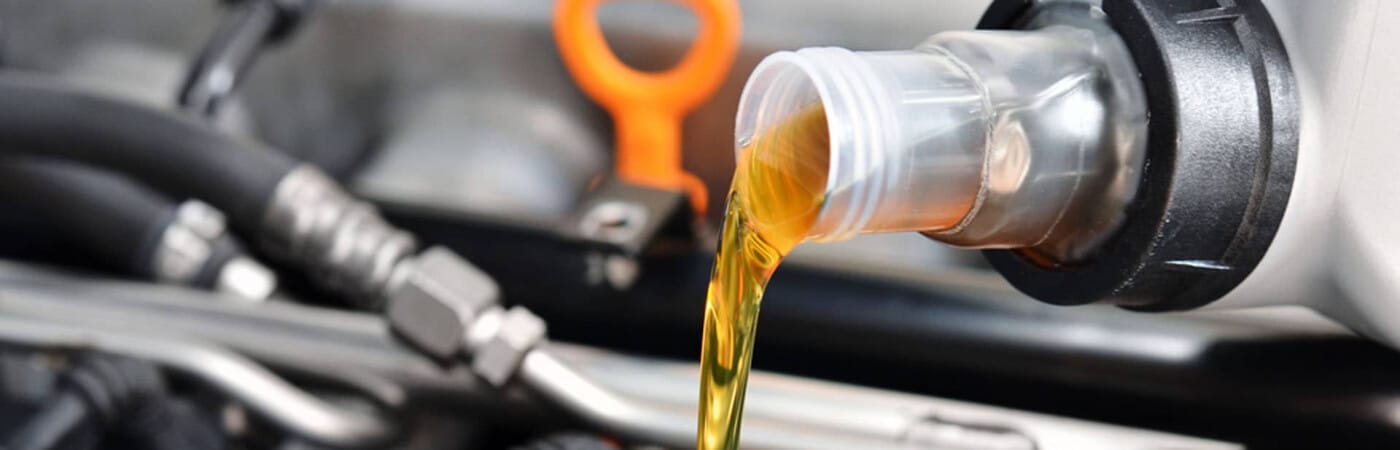
Credit: www.capitalchev.ca
Frequently Asked Questions
How Often Should I Change Synthetic Oil?
Most experts recommend changing synthetic oil every 7,500 to 10,000 miles. Always check your vehicle’s manual for specific intervals.
Can I Extend Oil Change Intervals With Synthetic Oil?
Yes, synthetic oil lasts longer than conventional oil. It can extend change intervals, but always follow manufacturer guidelines.
What Factors Affect Synthetic Oil Change Frequency?
Driving habits, climate, and vehicle age impact oil change frequency. Frequent short trips or extreme temperatures may require more frequent changes.
Is Synthetic Oil Better For My Car Engine?
Synthetic oil provides better protection, reduces engine wear, and improves fuel efficiency compared to conventional oil.
Conclusion
Changing synthetic oil regularly keeps your car running smoothly. Most cars need an oil change every 5,000 to 10,000 miles. Check your owner’s manual for the best advice. Driving habits and conditions can change how often you should change oil.
Clean oil helps the engine work better and last longer. Don’t wait too long between changes to avoid damage. Simple care like this saves money on repairs later. Stay on schedule and enjoy a healthier car engine.