
You want your car to look its best, right? Waxing is one of the easiest ways to keep your paint shiny and protected.
But how often do you really need to wax your car? Too little, and your paint could suffer; too much, and you might be wasting time and money. You’ll discover the perfect waxing schedule for your car. By the end, you’ll know exactly when and why to wax, helping your vehicle stay stunning and protected year-round.
Keep reading to find out how to make your car shine like new every time.
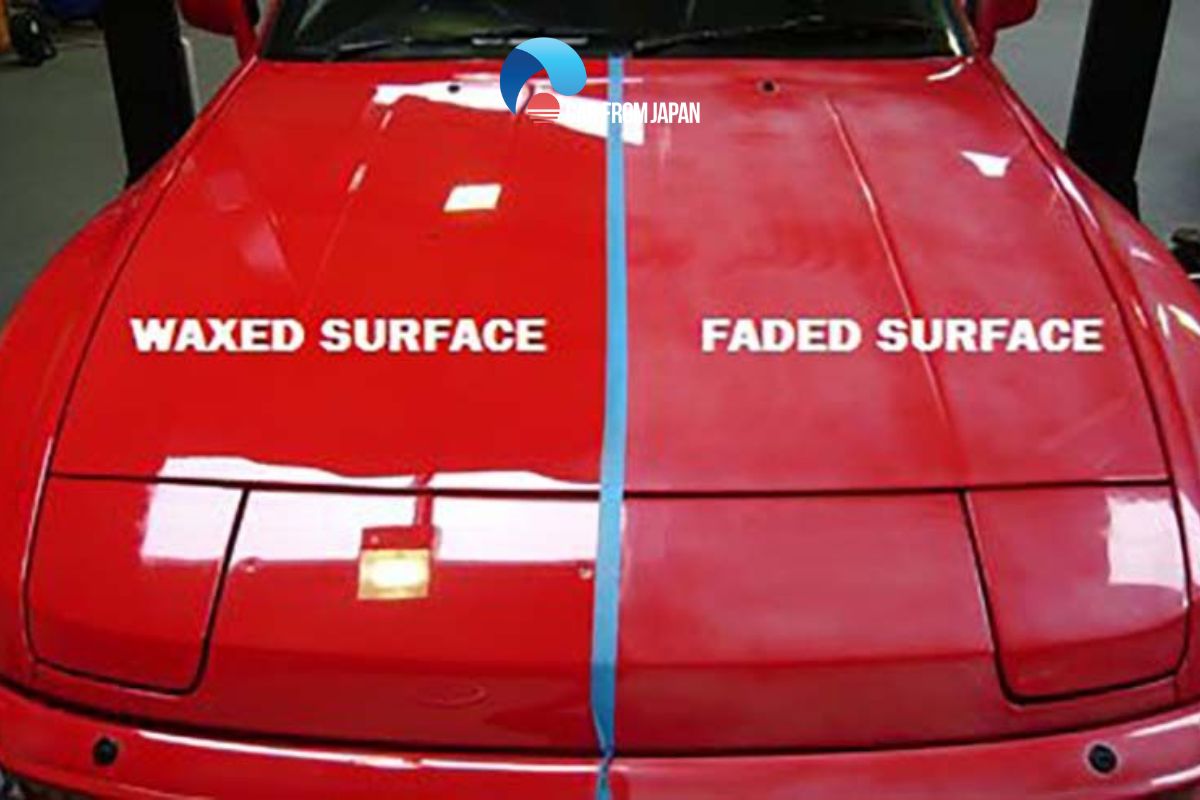
Credit: carfromjapan.com
Frequency Of Waxing
Knowing how often to wax your car protects its paint and shine. Wax acts as a shield against dirt, UV rays, and moisture. But waxing too often or too rarely can harm the finish or waste effort. Finding the right frequency keeps your car looking fresh and glossy.
Factors Influencing Waxing Schedule
Several things affect how often you should wax your car. Consider these key factors:
- Driving conditions:Rough roads and salty air wear wax faster.
- Climate:Sun, rain, and snow change wax durability.
- Car color:Dark colors show fading and scratches more.
- Type of wax:Synthetic waxes last longer than natural ones.
- Car use:Daily drivers need waxing more than garage cars.
Typically, waxing every three months suits most cars. Adjust this based on the factors above.
Seasonal Waxing Tips
Seasons affect how wax protects your car. Follow these tips to match waxing with weather changes:
- Spring:Wax after winter to remove salt and grime.
- Summer:Wax more often to block strong UV rays.
- Fall:Wax before leaves and moisture build up.
- Winter:Use a thicker wax to protect against snow and salt.
Adjust waxing frequency by season. This keeps your car’s paint safe all year.
Credit: www.familyhandyman.com
Types Of Car Wax
Car wax protects your vehicle’s paint and keeps it shiny. Different types of wax offer various benefits. Choosing the right wax depends on your needs and preferences. Understanding natural and synthetic waxes helps you decide what suits your car best.
Natural Vs Synthetic Waxes
Natural waxes come from plants, mainly carnauba. They give a deep, warm shine and a smooth finish. Natural waxes often last a few weeks to a couple of months. They work well in dry, sunny climates but may wear off faster in rain.
Synthetic waxes are made in a lab with polymers and resins. They provide longer-lasting protection, often up to six months. Synthetic waxes resist water, dirt, and UV rays better. The shine may be less warm but more durable than natural wax.
Choosing The Right Wax
Consider your climate and driving habits. Natural wax suits those who want a glossy look and don’t mind reapplying often. Synthetic wax fits drivers who want long-lasting protection with less effort.
Think about your car’s color. Dark colors show swirl marks more, so wax with good filling properties helps. Light colors hide imperfections better and need less frequent waxing.
Test small areas to see the finish and ease of application. This helps find the wax that fits your routine and style.
Waxing Techniques
Waxing your car is not just about slapping on some product and calling it done. Proper waxing techniques protect your paint and boost shine. Each step matters to get a smooth, lasting finish.
Preparation Before Waxing
Start with a clean car. Wash it thoroughly to remove dirt and grime. Dry the surface using a soft microfiber cloth. Check for any paint damage or scratches. Avoid waxing under direct sunlight or on a hot surface. This prevents wax from drying too fast and leaving streaks.
Applying Wax Properly
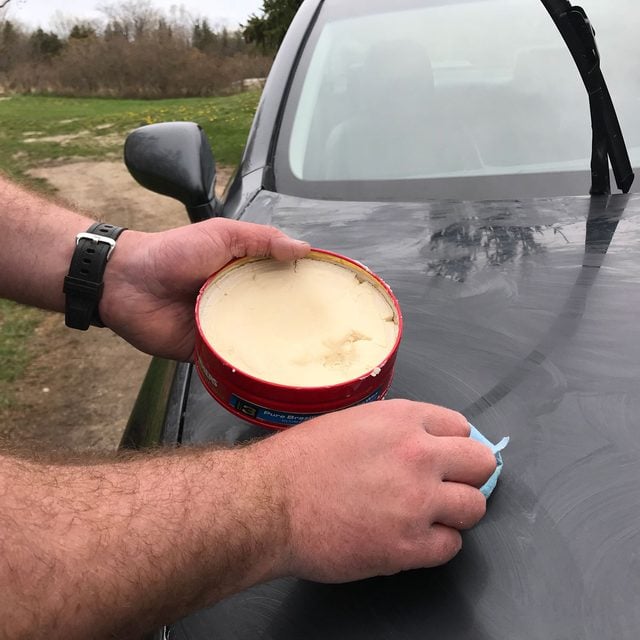
Use a small amount of wax at a time. Apply it in thin, even layers with a foam applicator or soft cloth. Work in circular motions to cover the surface fully. Focus on one section at a time to avoid the wax drying before buffing. Follow the product instructions for best results.
Buffing For Best Shine
Allow the wax to haze slightly before buffing. Use a clean, dry microfiber towel for buffing. Gently rub in circular motions to remove excess wax. Buffing reveals a deep, glossy shine and smooth finish. Check your work by inspecting the surface under light.

Credit: carfromjapan.com
Maintaining Wax Protection
Maintaining wax protection keeps your car’s paint shiny and safe. Wax forms a barrier that repels dirt, water, and UV rays. Over time, this layer wears off and needs refreshing. Regular care extends the life of the wax and protects your vehicle’s look.
Quick Touch-ups
Apply a quick wax touch-up every few weeks. Use a spray wax or detailer to boost protection between full waxes. These products are easy to use and dry fast. They help maintain a glossy finish and repel dust and water. Quick touch-ups save time and keep wax strong.
Avoiding Common Mistakes
- Don’t wax over dirt or grime. It causes scratches.
- Avoid waxing in direct sunlight. It can dry wax too fast.
- Use a clean, soft cloth to apply and remove wax.
- Don’t use too much wax. Thin layers work best.
- Wait for the right time to wax. Paint should be cool and dry.
Following these tips keeps your car’s wax in top condition. Proper care preserves shine and protects paint for longer.
Frequently Asked Questions
How Often Should I Wax My Car For Best Results?
Wax your car every 3 to 4 months to maintain shine. Regular waxing protects paint from UV rays and dirt buildup. It also makes washing easier and preserves your car’s appearance longer.
Does Weather Affect How Often I Wax My Car?
Yes, harsh weather like sun, rain, or snow speeds up wax wear. In extreme climates, waxing every 2 to 3 months is ideal. This keeps your paint shielded against environmental damage effectively.
Can Waxing Too Frequently Harm My Car’s Paint?
Waxing too often is generally safe but excessive polishing might harm paint. Stick to waxing every few months to avoid buildup. Proper application ensures protection without damaging the clear coat.
What Signs Show My Car Needs Waxing Again?
Dullness, water spots, and fading paint indicate it’s time to wax. If water no longer beads on the surface, the wax layer is gone. Regular checks help you maintain optimal protection.
Conclusion
Waxing your car every three months keeps the paint strong and shiny. It protects against dirt, rain, and sun damage. Regular waxing also makes cleaning easier and saves time. Too often can waste wax and money. Too little leaves your car unprotected.
Find a balance that fits your car’s needs and your schedule. A well-waxed car looks great and stays in good shape longer. Give your vehicle the care it deserves with timely waxing. Simple steps make a big difference.