
You want your car to run smoothly and last a long time, right? One simple way to keep it in top shape is by changing your oil regularly.
But how often should you actually change your oil? If you’re confused by all the different advice out there, you’re not alone. Knowing the right oil change schedule can save you money, prevent engine damage, and keep your ride feeling like new.
Keep reading, and you’ll discover exactly when and why to change your oil, so you never have to worry about your car’s health again.
Oil Change Frequency Factors
Changing your car’s oil at the right time keeps the engine healthy. Several factors affect how often you should change it. Understanding these factors helps avoid engine problems and saves money.
Manufacturer Recommendations
Car makers provide oil change intervals in the owner’s manual. These guidelines are based on the engine design and oil type. Following these recommendations ensures the engine runs smoothly. Skipping or delaying oil changes can cause damage. Check your manual for the exact mileage or time frame.
Driving Conditions
The environment affects oil life. Frequent short trips, stop-and-go traffic, or driving in dusty areas wear oil faster. Extreme temperatures also impact oil quality. Towing heavy loads or driving on rough roads increases engine stress. In these cases, changing oil more often is safer. Adjust your oil change schedule based on how you drive.
Oil Type Differences
Different oils last different times. Conventional oil usually needs changing every 3,000 to 5,000 miles. Synthetic oil can last 7,500 to 10,000 miles or more. Synthetic blends fall between these ranges. Using the right oil type extends oil life and engine protection. Always use oil that meets your car’s specifications.
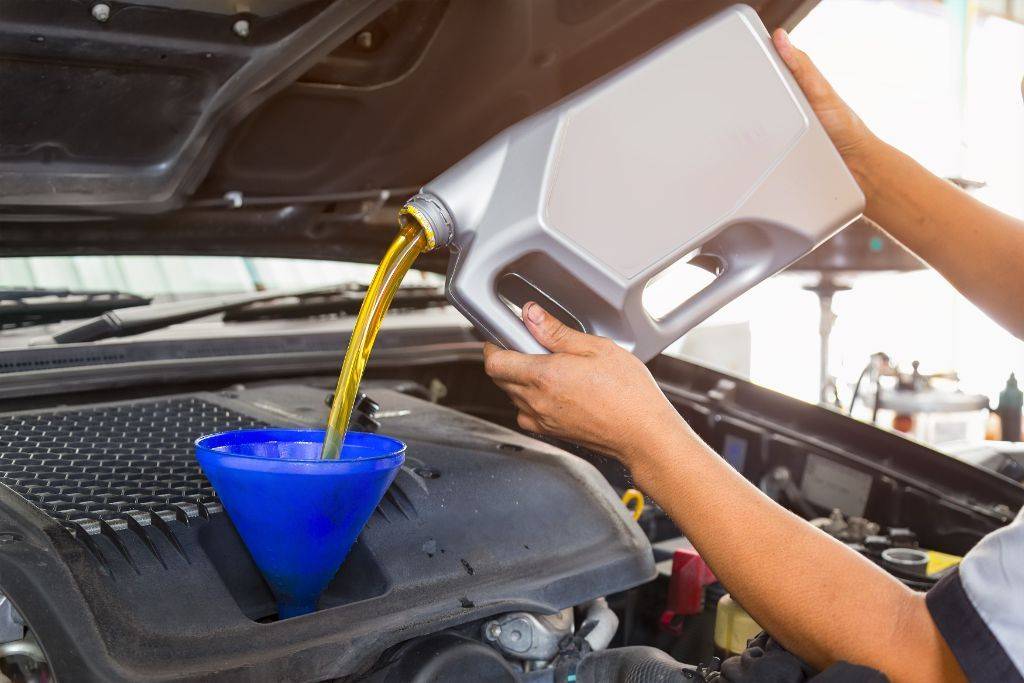
Credit: www.carmudi.com.ph
Signs You Need An Oil Change
Knowing the signs that your car needs an oil change can save you from costly repairs and keep your engine running smoothly. Paying attention to these signals helps you act before damage occurs. Let’s look at some key indicators that your oil is overdue for a change.
Engine Noise And Performance
If you notice unusual engine noises like knocking or ticking, your oil might be losing its ability to lubricate properly. Old oil thickens and fails to reduce friction, causing the engine to work harder and sound louder. You may also feel a drop in acceleration or rough idling, which points to oil that’s no longer protecting your engine parts effectively.
Oil Color And Consistency
Checking the color and texture of your oil is a simple way to gauge its condition. Fresh oil is usually amber and clear, but as it ages, it darkens and becomes gritty. If you spot black, dirty oil or notice sludge when you dip the oil stick, it’s a clear sign that your car needs fresh oil to prevent damage.
Dashboard Warning Lights
Your car’s dashboard is designed to alert you when oil levels or pressure fall below safe limits. A glowing oil can symbol or “Check Engine” light should never be ignored. These warnings mean your engine isn’t getting enough lubrication, so getting an oil change immediately can protect your vehicle from serious harm.
Choosing The Right Oil
Choosing the right oil for your car is more than just picking a brand off the shelf. It directly affects your engine’s health and how often you’ll need to change the oil. Understanding the differences between oil types, viscosity ratings, and additives can help you make smarter decisions for your vehicle.
Conventional Vs Synthetic
Conventional oil is made from refined crude oil and suits older or less demanding engines. It’s usually cheaper but breaks down faster, meaning you might have to change it more often.
Synthetic oil, on the other hand, is engineered for better performance and longevity. It handles extreme temperatures well and resists sludge buildup, which means fewer oil changes and better engine protection.
Ask yourself: Does your car require synthetic oil for warranty purposes or better performance? Choosing synthetic could save you time and hassle in the long run.
Viscosity Ratings
Oil viscosity refers to its thickness and flow at different temperatures, typically shown as numbers like 5W-30 or 10W-40. The first number indicates how the oil flows in cold weather, while the second number shows its performance at high temperatures.
Using the wrong viscosity can cause poor lubrication or make your engine work harder. Check your car’s manual for the recommended rating—it’s designed to match your engine’s needs perfectly.
Think about your local climate too. If you live somewhere cold, a lower “W” number helps the oil circulate quickly during startup.
Oil Additives
Additives enhance oil performance by cleaning, preventing wear, and reducing corrosion. Common additives include detergents to keep your engine clean and anti-wear agents to protect moving parts.
Some oils also have friction modifiers to improve fuel efficiency or antioxidants to extend oil life. Not all oils have the same additives, so reading labels or consulting your mechanic can help you pick the best one.
Have you noticed your engine’s performance slipping or unusual noises? The right additives might be what your oil needs to keep everything running smoothly.

Credit: www.youtube.com
Tips For Maintaining Engine Health
Maintaining your engine’s health goes beyond just changing the oil on schedule. Small habits and choices can greatly extend the life of your car’s engine. Paying attention to these details will help you avoid costly repairs and keep your vehicle running smoothly.
Regular Oil Checks
Checking your oil regularly helps you spot problems early. You don’t have to be a mechanic—just pull out the dipstick, wipe it clean, reinsert it, and check the level and color of the oil.
If the oil looks dark or gritty, it’s time for a change even if you haven’t hit the mileage mark. Have you ever driven with low oil and noticed strange engine noises? That’s a warning you don’t want to ignore.
Using Quality Filters
The oil filter plays a key role in keeping your engine clean by trapping dirt and particles. Using cheap or low-quality filters can cause clogging and reduce oil flow.
Choose filters that meet or exceed your car manufacturer’s specifications. Think of it like using clean water for your body—your engine deserves clean oil too.
Scheduling Professional Inspections
Even if you stay on top of oil changes, professional inspections catch issues you might miss. Mechanics can check for leaks, worn parts, and other engine troubles before they turn serious.
Try to schedule inspections around your oil change intervals. Have you ever discovered a small leak during a routine check that saved you from a big repair bill? Regular expert eyes can make all the difference.

Credit: www.youtube.com
Frequently Asked Questions
How Often Should I Change Oil In My Car?
Most cars require an oil change every 5,000 to 7,500 miles. Check your owner’s manual for exact intervals. Regular changes keep your engine running smoothly and extend its life.
Can I Wait Longer Than Recommended For Oil Changes?
Delaying oil changes can cause engine wear and reduce performance. Stick to the manufacturer’s schedule for best results. Using synthetic oil may allow longer intervals but always verify with your manual.
What Happens If I Don’t Change My Oil Regularly?
Old oil loses its ability to lubricate engine parts effectively. This leads to increased friction, overheating, and engine damage. Regular oil changes prevent costly repairs and maintain fuel efficiency.
Does Driving Style Affect Oil Change Frequency?
Yes, aggressive driving or frequent short trips can degrade oil faster. In such cases, change oil more often than the standard interval. Heavy towing or extreme temperatures also require more frequent oil changes.
Conclusion
Regular oil changes keep your car running smooth and safe. Follow the manufacturer’s guide for the best timing. Old oil can harm the engine and lower fuel efficiency. Check your oil level often to catch problems early. Clean oil helps your engine last longer and work better.
Don’t wait too long to change your oil. Small steps like this save money and avoid big repairs. Take care of your car, and it will take care of you. Simple habits make a big difference in car health.