
Are your car’s side mirrors giving you the full view you need while driving? If you’re unsure whether your mirrors are set correctly, you could be missing critical blind spots that put your safety at risk.
Adjusting your side mirrors the right way is simple, yet many drivers get it wrong. You’ll discover easy steps to position your mirrors perfectly. By the end, you’ll feel more confident on the road and reduce the chances of accidents.
Keep reading to learn how to make this quick adjustment that can protect you every time you drive.
Credit: www.cardekho.com
Preparing To Adjust Mirrors
Before you start adjusting your car’s side mirrors, it’s important to set the stage properly. Taking a few moments to prepare ensures that your adjustments will be accurate and effective. This preparation helps avoid blind spots and improves your overall driving safety.
Positioning The Driver’s Seat
Your seat position directly affects how you see through your mirrors. Adjust your seat so you sit comfortably with your back against the seat and your hands resting naturally on the steering wheel.
Make sure your feet reach the pedals easily without stretching. If you’re too far back or too close, your mirror view will be off, no matter how well you adjust them.
Think about how you normally sit while driving—are you slouched or upright? Adjusting your seat to your usual driving posture will give you the most realistic mirror angles.
Cleaning The Mirrors
Dirty or smudged mirrors can distort your view and make adjustment pointless. Before tweaking your mirrors, wipe them clean with a soft cloth and a bit of glass cleaner or even just water.
Pay attention to corners where dirt often builds up. A clear mirror surface reveals the true reflection and helps you set the right angles.
Have you ever adjusted mirrors without cleaning them first and still felt unsure about the visibility? Cleaning removes that guesswork and gives you confidence in what you see.
Adjusting Side Mirrors Correctly
Adjusting your car’s side mirrors correctly is key to safe driving. Proper mirror positioning reduces blind spots and gives you a clearer view of the road around you. It’s not just about comfort; it’s about being aware of your surroundings at all times.
Setting The Left Mirror
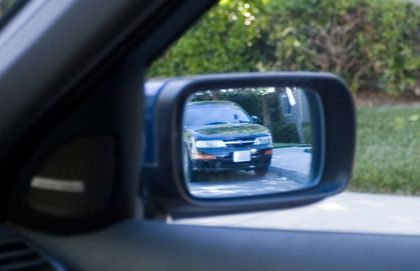
Start by sitting in your normal driving position. Lean your head gently toward the left window until it almost touches the glass. Now, adjust the left mirror so you can just see the side of your car. This setting shows more of the road beside you and less of your own vehicle.
Think about how often you check this mirror while changing lanes or turning. A correctly set left mirror gives you quick, reliable information without needing to twist your neck.
Setting The Right Mirror
For the right mirror, move your head toward the center of the car, right above the center console. Adjust the mirror so the edge of your car is barely visible. This position provides a wider view of the right lane and reduces the blind spot.
Many drivers overlook this adjustment, but it can prevent accidents on highways and busy streets. Ask yourself: Does your right mirror give you enough view without forcing you to lean out or turn your head too much?
Using The Blind Spot Technique
Even with perfectly adjusted mirrors, blind spots remain. Here’s where the blind spot technique comes in. When you prepare to change lanes, quickly glance over your shoulder to check the areas your mirrors don’t cover.
- Adjust mirrors so their edges just show the side of your car.
- This overlap between mirrors and shoulder checks covers the blind spots.
- Practice this routine until it becomes automatic every time you drive.
Have you noticed how often drivers skip the shoulder check? Your mirrors are tools, but your head is your final safety check.
Testing And Fine-tuning
Testing and fine-tuning your car’s side mirrors is essential for safe driving. Properly adjusted mirrors reduce blind spots and improve road visibility. This stage ensures your initial adjustments work well in real conditions. Testing helps identify areas where mirrors may need slight changes. It also confirms comfort and effectiveness for different drivers. Take time to verify angles and adjust as needed.
Checking Mirror Angles On The Road
Drive slowly in a safe area to check mirror angles. Notice if you can see the road next to your car clearly. Watch for blind spots on both sides. Make sure the mirrors show the lanes beside your vehicle. Check visibility while changing lanes or turning. The mirrors should reduce the need to turn your head much. Adjust if you see large blind spots or poor angles.
Making Adjustments For Different Drivers
Each driver may need unique mirror settings. Height, seating position, and driving style affect mirror angles. Take note of these differences when switching drivers. Adjust mirrors to fit each person’s comfort and safety. Keep a memory or note of ideal mirror positions. Encourage all drivers to test and fine-tune before driving. This simple step improves safety for every trip.

Credit: www.youtube.com
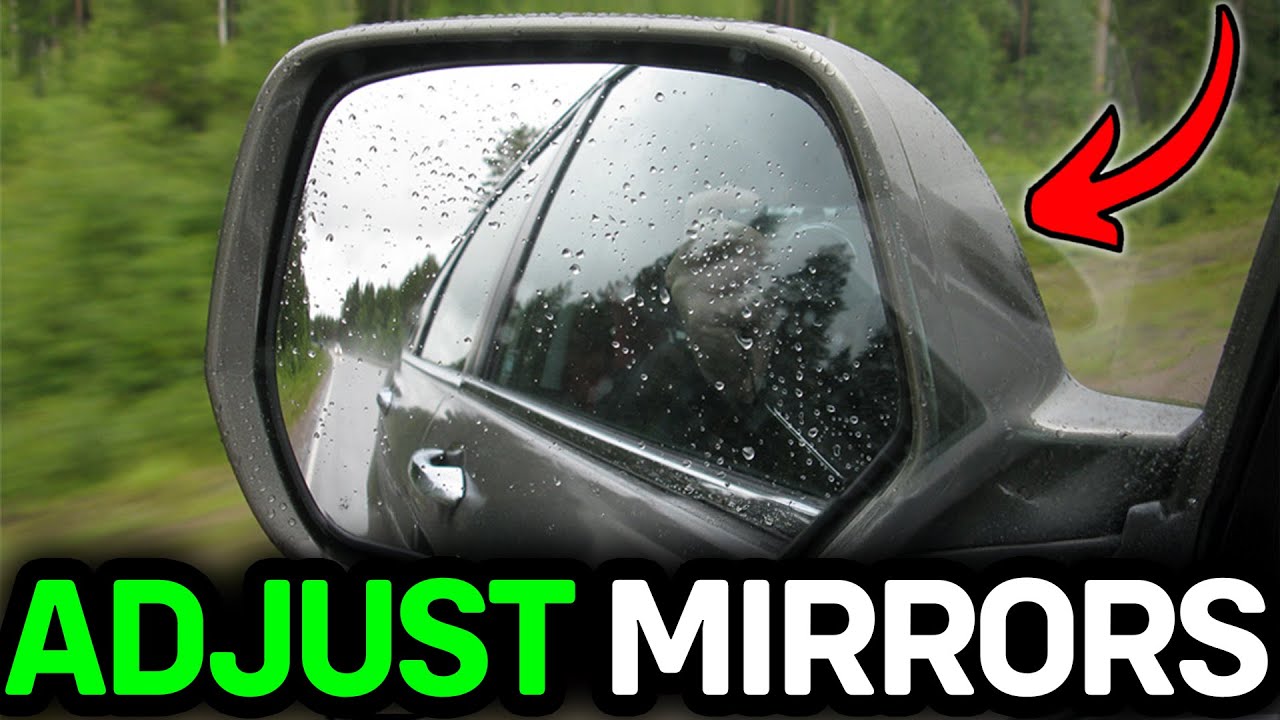
Credit: www.youtube.com
Frequently Asked Questions
How Do I Properly Adjust Car Side Mirrors?
To adjust side mirrors, sit in the driver’s seat and tilt each mirror outward. Ensure the side of your car is barely visible in the mirror’s inner edge. This reduces blind spots and improves your field of vision while driving.
Why Is Adjusting Side Mirrors Important For Safety?
Properly adjusted mirrors eliminate blind spots, helping you see other vehicles clearly. This reduces accidents during lane changes and turns. Adjusting mirrors ensures better awareness of your surroundings, making driving safer for you and others on the road.
When Should I Readjust My Car Side Mirrors?
You should readjust mirrors after anyone else drives your car or after changing seating position. Regular adjustments ensure optimal visibility. Always check mirror alignment before driving, especially if you notice blind spots or restricted views.
Can I Adjust Side Mirrors Manually Or Electronically?
Most cars allow both manual and electronic mirror adjustments. Manual mirrors have a lever or knob near the mirror. Electronic mirrors adjust via controls inside the car, usually on the driver’s door panel. Choose the method based on your car’s features.
Conclusion
Adjusting your car’s side mirrors improves safety on the road. Properly set mirrors reduce blind spots and help you see better. Take a few minutes before driving to check them. Small changes make a big difference in your view. Stay alert and drive with confidence every time.
Safe driving starts with clear vision all around you. Keep practicing this simple step for safer journeys ahead.