
Want your car to shine like new and stay protected from dirt and scratches? Applying wax is the secret to keeping your car looking its best.
But if you’re unsure how to do it right, don’t worry—you’re about to learn a simple, step-by-step way to apply wax that anyone can follow. By the end of this guide, your car will have a smooth, glossy finish that turns heads everywhere you go.
Ready to give your car the care it deserves? Let’s dive in!
Credit: www.familyhandyman.com
Choosing The Right Wax
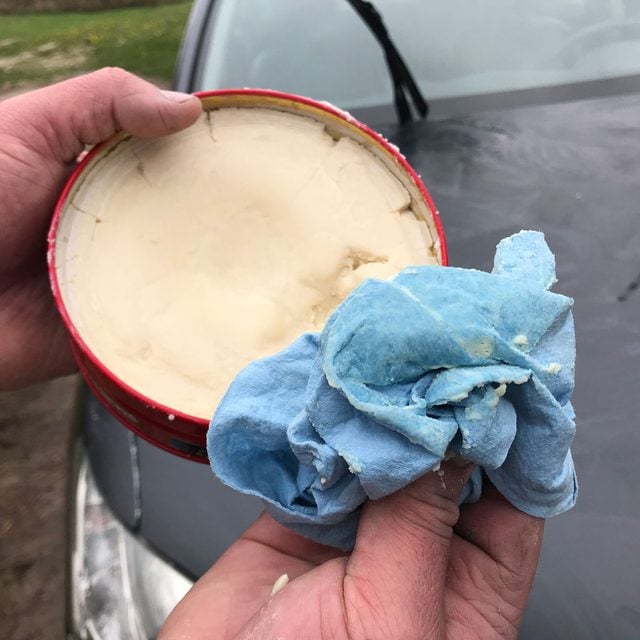
Choosing the right wax is a crucial step before you even touch your car’s surface. The type of wax you pick affects how your car looks and how well it’s protected. You want a wax that matches your car’s finish, your budget, and your patience for application.
Types Of Car Wax
There are mainly three types of car waxes to consider:
- Natural Wax:Usually made from carnauba, it gives a deep, warm shine that many car lovers prefer. However, it doesn’t last as long and needs reapplying more often.
- Synthetic Wax:Made from polymers, it offers longer-lasting protection and is easier to apply. It’s great if you want durability and don’t mind a slightly less warm glow.
- Hybrid Wax:Combines natural and synthetic ingredients to balance shine and durability. It’s a solid choice if you want some of the best features of both types.
Knowing these types helps you decide what suits your car and lifestyle best.
Factors To Consider
Think about the climate where you live. If your car faces harsh sun or heavy rain, a synthetic or hybrid wax might protect your paint better. Natural wax works well in milder conditions or if you’re showing your car and want that extra shine.
How much time do you want to spend waxing? Natural wax often requires more effort and multiple layers. Synthetic wax can be quicker and less fussy.
Also, consider your car’s paint condition. Older or faded paint might benefit from a wax that includes polishing agents. Newer paint might just need a straightforward protective layer.
Have you ever tried a wax that left your car looking dull instead of shiny? Choosing the right wax prevents that disappointment and keeps your car turning heads the right way.
Credit: www.familyhandyman.com
Preparing Your Car
Preparing your car is the first key to a smooth waxing process. A clean, dry surface helps wax stick better and last longer. Dirt, grime, and old wax layers block the new wax from bonding with the paint. Taking time to prepare ensures a shiny, protected finish.
Washing And Drying
Start by washing your car thoroughly. Use a car-specific soap to remove dirt and road grime without harming the paint. Rinse well with clean water to avoid soap spots. Dry the car with a soft, clean microfiber towel. Avoid air drying, which can leave water spots on the surface.
Removing Old Wax
Old wax can create an uneven surface for the new layer. Use a clay bar or a wax remover product to clear off old wax residues. Follow the instructions carefully and work in small sections. Removing old wax helps the new wax bond directly with the paint, improving shine and protection.
Wax Application Techniques
Wax application techniques play a key role in protecting a car’s paint. Proper waxing enhances shine and guards against dirt and moisture. Applying wax correctly extends the life of the car’s finish and keeps it looking fresh.
Using the right method helps the wax spread evenly. This avoids streaks and patches. A smooth, thorough application ensures the best results and a long-lasting protective layer.
Tools You Need
- Soft microfiber cloths
- Foam applicator pads
- High-quality car wax
- Spray bottle with water (optional)
- Clean buckets for rinsing
- Car wash soap
Step-by-step Process
- Wash the car thoroughly and dry it completely.
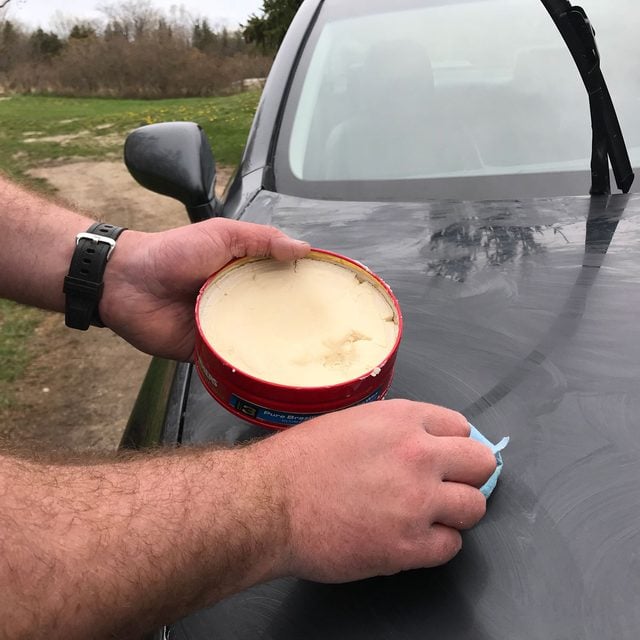
- Apply a small amount of wax to the foam applicator.
- Use circular motions to spread wax on a small car section.
- Cover the entire area with a thin, even layer of wax.
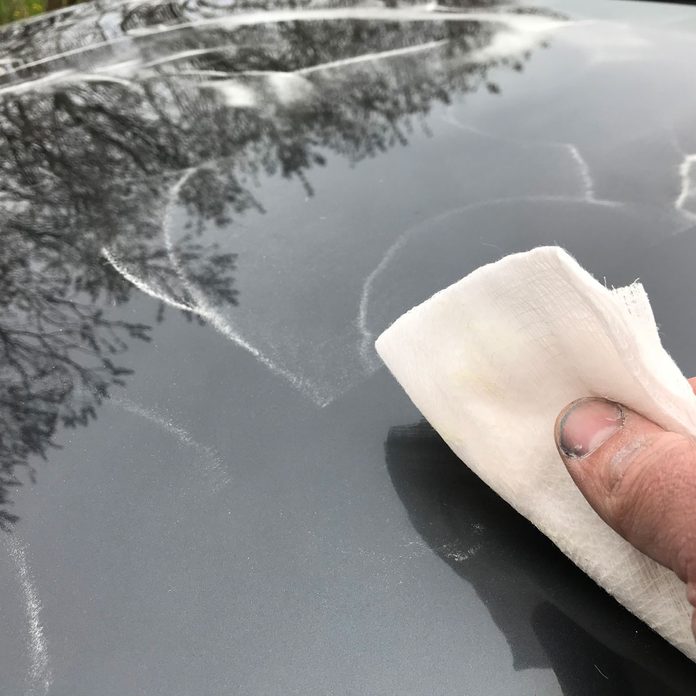
- Let the wax dry until it appears hazy or matte.
- Buff the wax off using a clean microfiber cloth.
- Use light pressure and circular motions to polish the surface.
- Repeat the process section by section until the whole car is waxed.
- Check for missed spots and gently reapply wax if needed.
Credit: www.familyhandyman.com
Maintaining The Waxed Finish
Maintaining the waxed finish on your car is just as important as the initial application. A well-maintained wax layer keeps your car looking shiny and protects the paint from environmental damage. You don’t need to be a professional to keep that glossy finish; small habits and timely care make a huge difference.
Regular Care Tips
Keeping your car clean is the first step to preserving the wax. Dirt and grime can wear down the wax layer, so wash your car regularly using a gentle soap designed for automotive finishes.
Avoid automatic car washes with harsh brushes that can scratch the wax. Instead, hand wash with a soft sponge or microfiber cloth to protect the surface.
After washing, dry your car thoroughly to prevent water spots. These spots can dull the wax and make your car look less vibrant.
Try to park in shaded areas or use a car cover to reduce exposure to harsh sunlight and bird droppings, both of which can erode the wax faster.
When To Reapply Wax
Ask yourself: how does the car’s surface feel? If the wax layer is still doing its job, the paint will feel smooth and slightly slippery. Once the surface starts to feel rough or dry, it’s time to reapply wax.
Generally, wax lasts between 6 to 8 weeks, but this varies depending on weather and driving conditions. Frequent rain, snow, or intense sun can shorten this timeframe.
Another way to check is by observing water behavior on your car. If water beads up and rolls off easily, the wax is still protecting the paint. When water spreads out or forms flat patches, the wax is worn.
Keep a calendar reminder or note in your car care journal to track when you last waxed. Staying consistent helps maintain that fresh, showroom shine you want to keep.
Frequently Asked Questions
How Often Should I Wax My Car For Best Results?
Wax your car every three to four months to maintain shine and protection. Regular waxing shields paint from UV rays, dirt, and moisture. Frequent application keeps the surface smooth and helps prevent fading and damage over time.
What Is The Best Wax Type For Cars?
Carnauba and synthetic waxes are popular choices. Carnauba offers a deep, natural shine but lasts shorter. Synthetic waxes provide longer-lasting protection and are easier to apply. Choose based on your desired finish and durability.
Can I Wax My Car In Direct Sunlight?
Avoid waxing your car in direct sunlight. Heat can cause wax to dry too quickly, leading to uneven application and streaks. Work in a shaded, cool area for the best and smoothest results.
Should I Wash My Car Before Waxing?
Yes, always wash your car before waxing. Clean surfaces allow wax to bond properly with the paint. Dirt and debris can cause scratches if waxed over. Dry the car completely before applying wax.
Conclusion
Applying wax to your car protects its paint and keeps it shiny. Clean the surface well before starting. Use small, circular motions for even coverage. Let the wax dry, then buff gently with a soft cloth. Regular waxing helps prevent damage from sun and dirt.
It also makes washing easier. Take your time and enjoy the process. Your car will look fresh and cared for. Simple steps lead to great results. Try waxing every few months for best care.