
Want your car to look shiny and new without spending a fortune? Knowing how to buff and wax your car is a simple skill that can transform your vehicle’s appearance and protect its paint.
Imagine driving with a glossy finish that turns heads everywhere you go. In this guide, you’ll discover easy steps to make your car gleam like it just rolled off the showroom floor. Keep reading, and you’ll learn how to bring out the best in your car’s finish with just a few tools and a little effort.
Your car deserves to shine—let’s get started!

Credit: www.youtube.com
Preparing The Car Surface
Preparing your car’s surface before buffing and waxing is crucial to achieve a smooth, shiny finish. Skipping this step can trap dirt or imperfections under the wax, making your efforts less effective. Taking the time to properly clean and inspect the surface sets the foundation for a flawless result.
Washing And Drying
Start by giving your car a thorough wash using a car-specific shampoo. Avoid household detergents, as they can strip away protective coatings. Rinse well to remove all soap residues, then dry the car with a clean microfiber towel to prevent water spots.
Have you noticed how water spots can dull your paint even before waxing? Drying carefully helps avoid that problem. Pat the surface gently rather than rubbing hard to protect your clear coat.
Removing Surface Contaminants
Even after washing, your car’s surface may still have contaminants like tar, sap, or industrial fallout. Use a clay bar kit to gently lift these particles without damaging the paint. This step helps the wax adhere better and improves the overall smoothness.
Think about how smoother surfaces feel—this is exactly what you want for a mirror-like shine. Don’t rush this part; a well-clayed surface makes buffing more effective and less risky.
Inspecting For Scratches And Swirls
Before you buff, take a close look at your paint under good lighting. Small scratches and swirl marks can often be seen more clearly in direct sunlight or with a flashlight. Identifying these early lets you decide if you need a light polishing before waxing.
Have you ever waxed over scratches, only to see them remain? Spotting them now means you can address the problem properly. Fixing these imperfections can drastically improve the final shine and protect your paint better.
Choosing The Right Buffing Tools
Choosing the right buffing tools is essential for a smooth and shiny car finish. The right tools help remove scratches and swirl marks effectively. They also protect your car’s paint from damage during the process. Understanding the types of buffers and pads, the right compounds, and safety gear makes the job easier and safer.
Types Of Buffers And Pads
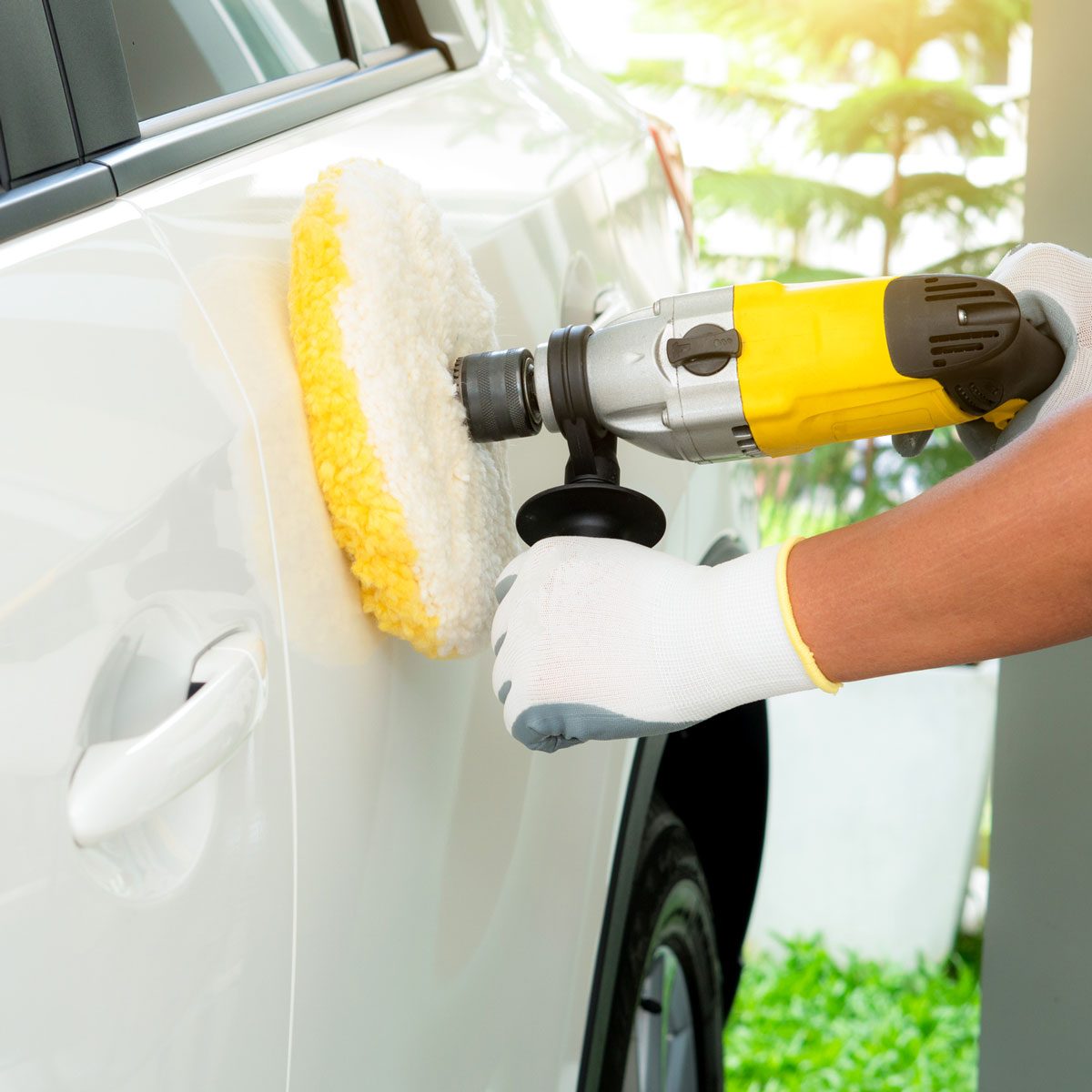
Buffers come in different styles for various tasks. Random orbital buffers are gentle and easy to use. Rotary buffers offer more power but need careful handling.
- Foam pads:Best for applying wax and polishing.
- Wool pads:Effective for heavy cutting and removing deep scratches.
- Microfiber pads:Provide a smooth finish with less heat buildup.
Choosing the right pad depends on the paint condition and the desired finish.
Selecting The Appropriate Compound
Compounds remove imperfections and restore shine. Cutting compounds work on deep scratches and oxidation. Polishing compounds refine the surface for a smooth look. Finishing compounds add a glossy shine. Match the compound strength with the paint condition for best results.
Safety Gear And Precautions
Protect your eyes and hands during buffing. Wear safety goggles to shield from splashes and debris. Use gloves to avoid skin irritation from compounds. Work in a well-ventilated area to prevent inhaling fumes. Keep the buffer moving to avoid burning the paint.
Buffing Techniques For A Smooth Finish
Buffing your car is key to achieving that flawless, glossy finish that turns heads. The right technique makes all the difference between a streaky surface and a mirror-like shine. Let’s dive into the essential buffing techniques that ensure your paintwork looks smooth and professionally done.
Applying The Compound
Start by choosing the right compound for your car’s condition. Use a small amount—about a dime-sized drop—to avoid overdoing it. Spread the compound evenly on the buffing pad before you turn on the buffer.
Applying the compound this way prevents splatter and helps you maintain control. You want the product to work on a small section at a time, so your buffer doesn’t dry out the compound or create uneven spots.
Proper Buffering Movements
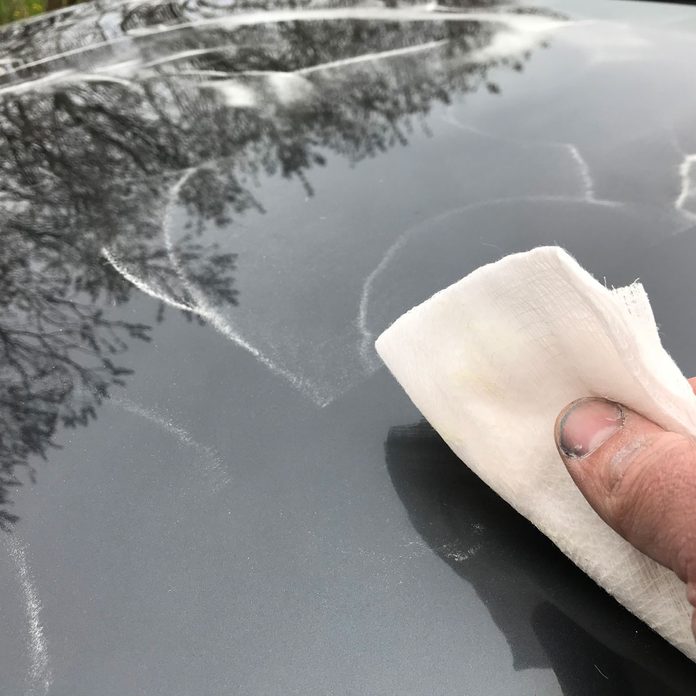
Keep your buffer moving constantly to avoid burning the paint. Use slow, overlapping passes in a back-and-forth or circular motion. Don’t press too hard; let the machine’s weight do the work.
Imagine you’re painting a wall—consistent coverage is key. Pausing too long in one spot can cause swirl marks or damage. How steady is your hand when buffing? Practice makes perfect here.
Handling Different Paint Types
Each paint type reacts differently to buffing. For soft paint, use a lighter compound and lower speed to prevent removing too much clear coat. Harder paints tolerate more aggressive buffing but still require care to avoid scratches.
Some cars have delicate finishes, like matte or metallic, which need special compounds. Always test on a small hidden area first. Have you checked your paint type before starting? That little step can save your car’s look.
Credit: www.familyhandyman.com
Waxing For Long-lasting Shine
Waxing your car is the key to keeping that fresh, showroom shine for weeks or even months. It creates a protective layer that guards your paint against dirt, UV rays, and water spots. But not all waxes are the same, and how you apply and maintain them will make a huge difference in the results you get.
Types Of Car Wax
Choosing the right wax depends on your priorities: ease, durability, or finish. Here are the main types:
- Carnauba Wax:Known for a deep, warm shine. It’s natural but tends to wear off faster, usually lasting a few weeks.
- Synthetic Wax (Sealants):These last longer, often up to 6 months, and provide strong protection, but the shine can be less rich than carnauba.
- Liquid Wax:Easy to apply and quick drying, perfect if you want a fast, good-looking finish.
- Paste Wax:Offers a thicker coat and often richer shine but requires more effort to apply and buff.
Think about how often you’re willing to wax and what kind of look you prefer before picking your product.
Applying And Removing Wax
Before waxing, your car should be clean and dry to avoid locking in dirt. Apply wax in small sections using a foam applicator or microfiber pad. Use circular motions with moderate pressure to spread the wax evenly.
Let the wax haze over; this usually takes a few minutes depending on the product. Removing wax is just as important—use a clean, soft microfiber towel to buff it off gently. Don’t rush this step; thorough buffing brings out the maximum shine and smooth finish.
Have you noticed some waxes leave streaks or feel sticky? That’s often because they weren’t fully buffed or the layer was too thick.
Maintaining The Waxed Surface
After waxing, you want to protect that shine without scrubbing it off too soon. Wash your car regularly with a pH-balanced shampoo to prevent wax breakdown. Avoid automatic car washes with harsh brushes; hand washing is always safer for your wax.
Reapply wax every few months or when you notice water no longer beads on the surface. Spot waxing small areas between full applications can help maintain the shine without a full wax job. Simple touches like parking in the shade and wiping off bird droppings quickly can save your wax from wearing down prematurely.
What small habits can you add to your routine to keep your car looking freshly waxed longer?
Credit: www.familyhandyman.com
Frequently Asked Questions
What Is The Difference Between Buffing And Waxing A Car?
Buffing removes minor scratches and smooths the paint surface. Waxing adds a protective layer and enhances shine. Both improve appearance but serve different purposes. Buffing is more abrasive, while waxing protects against dirt and UV rays.
How Often Should You Buff And Wax Your Car?
Buff your car only when necessary, about 1-2 times a year. Waxing can be done every 3-4 months to maintain protection. Over-buffing may damage paint, so wax regularly to keep the finish glossy and safe.
Can I Buff And Wax My Car By Myself?
Yes, you can buff and wax your car yourself with proper tools and products. Follow instructions carefully, work in a shaded area, and use clean cloths. DIY buffing and waxing save money and keep your car looking great.
What Tools Do I Need To Buff And Wax A Car?
You need a buffer or microfiber cloth, car polish, wax, and applicator pads. A dual-action polisher is ideal for beginners. Clean water and towels for drying are also essential for best results.
Conclusion
Buffing and waxing your car keeps it shiny and protected. Regular care helps prevent scratches and fading. Use the right tools and gentle motions for best results. Take your time and work on small sections. Your car will look fresh and well-maintained.
Enjoy the smooth finish and added shine. Simple steps make a big difference in car care. Keep up this routine to maintain your car’s beauty. A little effort goes a long way. Clean, buff, wax — repeat as needed.