
Planning to take your kayak on a road trip but unsure how to carry it safely on your car? You’re not alone.
Transporting a kayak might seem tricky, but with the right steps, you can do it quickly and securely. Imagine avoiding damage to your kayak, your car, and keeping yourself safe on the road—all while making the loading process easier than you thought.
In this guide, you’ll discover simple, practical tips that anyone can follow to carry a kayak on a car without stress. Ready to learn how? Let’s dive in.

Credit: www.youtube.com
Choosing The Right Kayak Rack
Choosing the right kayak rack is key for safe and easy transport. The rack holds your kayak firmly during travel. It must fit your vehicle and kayak type. The right rack prevents damage and makes loading simple. Consider your needs carefully before buying.
Types Of Kayak Racks
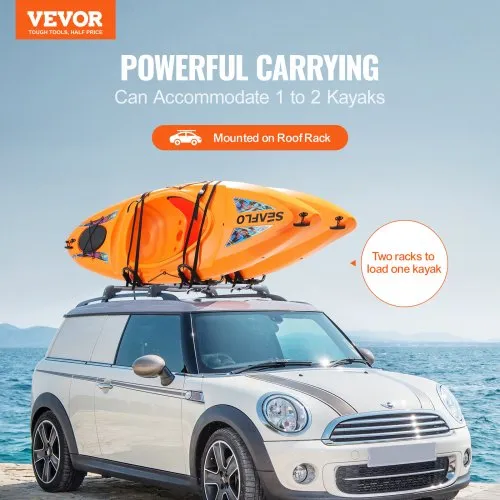
- Roof Racks:Mount on top of your car. They save space and work for most kayaks.
- Hitch Racks:Attach to your vehicle’s trailer hitch. They offer easy loading and unloading.
- Truck Bed Racks:Fit in the bed of a pickup truck. Perfect for large or heavy kayaks.
- Foldable Racks:Compact and easy to store. Ideal for occasional use and small vehicles.
Factors To Consider
- Vehicle type and roof size
- Kayak weight and length
- Frequency of use and storage space
- Ease of installation and removal
- Security features to prevent theft
- Budget and rack durability
Installation Tips
- Check your vehicle’s roof or hitch capacity first.
- Follow the manufacturer’s instructions closely.
- Use proper tools for a secure fit.
- Test the rack with your kayak before long trips.
- Ensure straps and locks are tight and secure.
- Double-check all attachments before driving.
Securing Your Kayak Properly
Securing your kayak properly is crucial before transport. A well-secured kayak prevents accidents and protects your gear. It keeps the kayak stable on your car and safe from wind or road bumps. Follow these tips to secure your kayak with ease and confidence.
Using Straps And Tie-downs
Use strong straps designed for kayak transport. Ratchet straps or cam buckle straps work well. Loop the straps over the kayak and under the car rack. Tighten them enough to hold the kayak firmly. Avoid straps that can easily loosen during the trip. Secure both the front and rear ends of the kayak. This stops it from shifting or bouncing while driving.
Positioning The Kayak
Place the kayak on the car rack with the hull facing down. This position reduces wind resistance and adds stability. Center the kayak on the rack to balance the weight evenly. Make sure the kayak does not hang too far over the edges of the car. Check that the cockpit is facing up if the kayak has one. This helps water to drain and prevents damage.
Preventing Damage During Transport
- Use foam blocks or padding between the kayak and the rack.
- Cover sharp edges on the kayak to avoid scratches or dents.
- Attach bow and stern lines to the car’s frame for extra security.
- Check all straps and lines before every trip.
- Avoid over-tightening straps to prevent damage to the kayak’s surface.
Proper preparation helps keep your kayak safe and your trip worry-free.
Loading And Unloading Safely
Loading and unloading your kayak safely is essential to protect both your gear and your body. Handling a bulky kayak can be tricky, especially if you’re doing it alone or in tight spaces. Understanding the right techniques minimizes the risk of damage and injury, making your kayaking trips more enjoyable right from the start.
Best Techniques For Lifting
Start by positioning yourself close to the kayak. Bend your knees, keep your back straight, and use your legs to lift—this reduces strain on your back.
Grip the kayak firmly at sturdy points, usually near the cockpit or handles. Avoid grabbing the thin edges or fragile parts, as they can break or cause you to lose balance.
Lift smoothly and avoid sudden jerks. If the kayak feels too heavy or awkward, pause and adjust your grip or stance before continuing.
Teamwork And Assistance
Carrying a kayak is often easier and safer with a partner. Communicate clearly about when to lift, move, and set down the kayak to avoid surprises.
Coordinate your movements, matching your pace and height. This helps keep the kayak balanced and prevents tipping or dropping.
If you don’t have a partner, consider using kayak carts or roof racks with easy-loading features to reduce the physical effort.
Avoiding Common Mistakes
- Don’t twist your body while carrying the kayak—turn your whole body instead to avoid back injuries.
- Avoid lifting the kayak above shoulder height unless absolutely necessary. This increases the risk of dropping it or losing control.
- Never rush the process. Hastiness can cause slips, drops, or damage to your kayak and car.
Have you ever loaded your kayak and felt unsure if you were doing it safely? Taking a few extra seconds to focus on technique can save you from costly repairs and painful strains.
Credit: www.vevor.ca

Credit: www.baysports.com.au
Frequently Asked Questions
How Do I Secure A Kayak On My Car Roof?
Use strong, adjustable roof racks or crossbars to hold the kayak. Secure with ratchet straps or cam buckle straps. Tie down the kayak firmly at bow and stern to prevent movement during transit.
Can I Carry A Kayak Inside My Car?
Yes, if your car is spacious, fold or disassemble the kayak if possible. Use blankets to protect the interior. Secure the kayak to avoid shifting and damage while driving.
What Type Of Kayak Carrier Is Best For Cars?
J-style carriers save space and hold kayaks securely on the roof. Saddle carriers provide stability for longer kayaks. Choose based on kayak size, car type, and ease of loading.
How Much Weight Can My Car Roof Hold?
Check your car’s manual for roof load limits. Most passenger cars support 75-150 pounds safely. Avoid exceeding this limit to prevent damage to the roof or vehicle instability.
Conclusion
Carrying a kayak on your car can be simple and safe. Use the right equipment like roof racks or kayak carriers. Secure the kayak tightly to avoid movement during travel. Check straps often to keep everything in place. Drive carefully, especially on windy roads or rough terrain.
Taking these steps helps protect your kayak and car. Enjoy your trip without worries. Ready to hit the water?