
Are you sure your tires are inflated just right? Checking your tire pressure gauge might sound simple, but doing it the right way can save you money, improve your car’s performance, and keep you safe on the road.
In this guide, you’ll learn exactly how to check your tire pressure quickly and accurately. By the end, you’ll feel confident knowing your tires are in perfect shape—ready to take you wherever you need to go. Keep reading, because your tires—and your wallet—will thank you.
Choosing The Right Tire Pressure Gauge
Choosing the right tire pressure gauge is important for accurate readings. A good gauge helps maintain tire safety and improves fuel efficiency. There are different types available. Knowing their features helps pick the best one for your needs.
Types Of Tire Pressure Gauges
- Stick Gauge:Simple and easy to use. Shows pressure on a small rod.
- Dial Gauge:Has a round dial with a needle. Easy to read at a glance.
- Digital Gauge:Displays pressure on a screen. Offers precise and quick readings.
Features To Look For
- Accuracy:Look for gauges with clear, reliable measurements.
- Ease of Use:Choose a gauge that fits well and is easy to read.
- Durability:A sturdy gauge lasts longer and withstands rough use.
- Size:Compact models are easier to carry and store.
- Pressure Range:Ensure the gauge covers the tire pressure you need.

Credit: www.carhub.ca
Preparing Your Vehicle And Gauge
Before you check your tire pressure gauge, setting up the right conditions is key. Preparing your vehicle and gauge properly ensures accurate readings and helps you avoid common mistakes. This preparation might seem simple, but skipping it can lead to unreliable results and affect your vehicle’s performance.
Checking Tire Temperature
Your tires need to be at the right temperature before you check the pressure. Cold tires give the most accurate reading because heat causes air inside to expand, which increases pressure.
Check your tires after the car has been parked for at least three hours or driven less than a mile at low speed. If you’ve just returned from a long drive, wait before measuring. Have you noticed how tire pressure seems higher right after a trip? That’s why temperature matters.
Gathering Necessary Tools
Having the right tools ready makes the process smooth and effective. Besides your tire pressure gauge, you should have:
- A reliable tire pressure gauge (digital or analog)
- A portable air compressor or access to an air pump
- A pen and paper or your phone to note down readings
- The vehicle’s recommended tire pressure, usually found on the driver’s door jamb or owner’s manual
Preparing these tools beforehand saves time and frustration. Have you ever started checking your tires only to realize you don’t know the correct pressure? Knowing the recommended pressure is just as important as having the gauge itself.
Step-by-step Pressure Measurement
Checking your tire pressure is a simple task. It helps keep your vehicle safe and improves fuel efficiency. Follow these clear steps to measure your tire pressure accurately. This guide makes the process easy, even for beginners.
Locating The Valve Stem
The valve stem is a small tube on the tire rim. It lets air in and out of the tire. Look around the edge of the tire to find it. The valve stem usually has a cap to protect it from dirt.
Remove the cap carefully. Keep it in a safe place. You need clear access to the valve stem for the gauge.
Using The Gauge Correctly
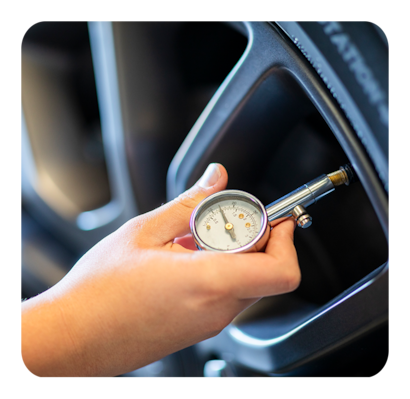
Hold the tire pressure gauge firmly. Press it straight onto the valve stem. This stops air from leaking out. You should hear a short hiss if the seal is not tight.
Keep the gauge steady until the reading appears. Note the number shown on the gauge. Compare it with the recommended tire pressure for your vehicle. This number is often found in the owner’s manual or on a sticker inside the driver’s door.
Replace the valve cap after checking. Repeat the process for each tire. Checking all tires ensures even pressure for better driving.
Credit: www.westbroadvw.com
Interpreting And Adjusting Tire Pressure
Interpreting and adjusting your tire pressure correctly can save you from unexpected flats and improve your vehicle’s fuel efficiency. Knowing how to read your tire pressure gauge and act on the results helps keep your tires in good shape. Let’s break down the steps so you can confidently maintain the right pressure every time.
Reading The Gauge Results
After pressing the tire pressure gauge onto the valve stem, look closely at the reading. Most gauges display pressure in pounds per square inch (PSI), which is the standard measurement for tires. Compare this number to the recommended PSI found in your vehicle’s manual or the sticker inside the driver’s door.
Be aware that pressure can change with temperature. If you check your tires after driving, the reading might be higher than when the tires are cold. Always try to measure tire pressure when the tires haven’t been driven on for at least three hours.
Have you ever noticed your tires feeling softer on cold mornings? That’s normal because air contracts when cold, lowering the PSI. This is why regular checks are important, especially in changing weather conditions.
Inflating Or Deflating Tires
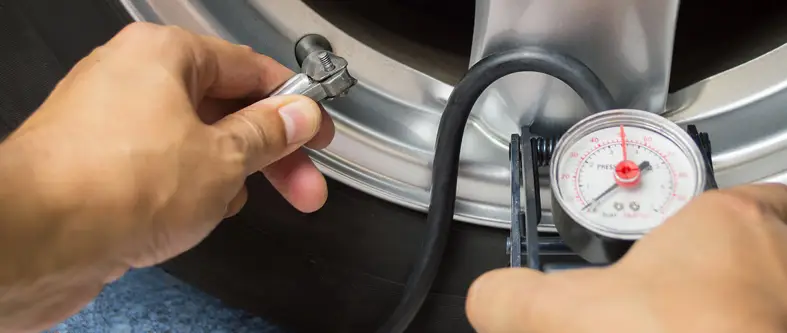
If your tire pressure is below the recommended level, it’s time to add air. Use an air compressor at a gas station or a portable one at home. Add air in short bursts and keep checking the gauge to avoid overinflation.
If the pressure is too high, release some air by pressing the small pin inside the valve stem with a tool or your fingernail. Let the air out gradually and measure frequently until you reach the right PSI.
- Always double-check the pressure after inflating or deflating.
- Don’t forget to replace the valve cap to keep dirt and moisture out.
- Keep a tire pressure gauge in your glove box for quick checks.
Adjusting tire pressure might seem simple, but getting it just right makes a big difference in driving comfort and safety. What’s the last time you checked your tire pressure? Could it be affecting your car’s performance without you realizing it?
Credit: point-s.ca
Frequently Asked Questions
How Do I Use A Tire Pressure Gauge Correctly?
To use a tire pressure gauge, remove the valve cap, press the gauge firmly onto the valve stem, and read the pressure. Ensure no air escapes during measurement for accuracy. Check all tires, including the spare, regularly for optimal performance and safety.
When Should I Check Tire Pressure With A Gauge?
Check tire pressure at least once a month and before long trips. Measure when tires are cold, as heat can increase pressure readings. Regular checks help maintain fuel efficiency, improve tire life, and ensure safe driving conditions.
What Is The Ideal Tire Pressure For Most Vehicles?
The ideal tire pressure varies by vehicle, usually between 30-35 PSI. Check the vehicle’s manual or the sticker inside the driver’s door for exact specifications. Maintaining correct pressure improves safety, handling, and tire longevity.
Can A Tire Pressure Gauge Detect Slow Leaks?
Yes, a tire pressure gauge can help detect slow leaks by showing gradual pressure drops over time. Regularly checking pressure helps identify leaks early and prevents unexpected flat tires or damage.
Conclusion
Checking your tire pressure gauge is simple and important for safety. Keep your tires at the right pressure for better fuel efficiency and longer tire life. Use the gauge regularly, especially before long trips or changes in weather. A well-maintained tire improves driving comfort and control.
Don’t forget to check the pressure when tires are cold for accurate readings. Stay safe on the road by making tire pressure checks a regular habit. Easy steps can help avoid flat tires and improve your car’s performance.