
Are your tires ready for the road? Knowing how to check tire pressure with a gauge is one simple step that can save you from unexpected troubles.
When your tires have the right pressure, you get better fuel efficiency, safer handling, and longer tire life. But if you don’t check regularly, you might be risking your safety and wasting money. You’ll learn exactly how to use a tire pressure gauge quickly and easily.
By the end, you’ll feel confident keeping your tires in perfect shape—so keep reading and take control of your ride!

Credit: www.youtube.com
Choosing The Right Tire Pressure Gauge
Choosing the right tire pressure gauge is important for accurate readings. The right gauge helps keep tires safe and extends their life. It also saves fuel and improves vehicle handling. Picking a gauge that fits your needs makes checking tire pressure simple and quick.
Types Of Tire Pressure Gauges
- Stick Gauges:Simple and easy to use. A small rod slides out to show pressure.
- Dial Gauges:Have a round face with a needle. Good for clear, easy reading.
- Digital Gauges:Show pressure on a screen. Usually the most accurate and fast.
Features To Look For
- Accuracy:Choose a gauge with precise readings. Look for one with +/- 1 psi error margin.
- Durability:Look for strong materials. A metal body lasts longer than plastic.
- Ease of Use:Select a gauge that fits well in your hand. A backlit display helps in low light.
- Pressure Range:Make sure the gauge covers your tire’s pressure range, usually 0-60 psi.
- Size and Portability:Smaller gauges are easy to carry. Some come with keychain attachments.
Preparing Your Vehicle For Measurement
Preparing your vehicle for tire pressure measurement ensures accurate and safe readings. Proper preparation helps avoid false readings caused by heat or movement. It also makes the process quick and straightforward. Follow simple steps before using a tire pressure gauge.
When To Check Tire Pressure
Check tire pressure when tires are cold. Cold tires mean the car has been parked for at least three hours. Avoid measuring right after driving. Heat expands air inside tires, causing higher pressure readings. Measure pressure early in the morning or after a long rest for best results.
Gathering Necessary Tools
Collect all tools before starting to avoid interruptions. You need:
- A reliable tire pressure gauge (digital or analog)
- The vehicle’s recommended tire pressure information (found in the driver’s door or manual)
- A pen and paper to write down the readings
- A small cloth or tissue to clean the valve stem if needed
Having these tools ready makes the process smooth and efficient.
Step-by-step Guide To Using A Tire Pressure Gauge
Checking your tire pressure with a gauge is a simple task that anyone can do. It ensures your safety on the road and helps maintain your vehicle’s performance. Knowing how to properly use a tire pressure gauge puts control in your hands and can save you from costly repairs later.
Removing The Valve Cap
First, locate the valve stem on your tire. It’s a small rubber or metal nozzle sticking out from the wheel. Unscrew the valve cap carefully and keep it somewhere safe to avoid losing it.
Have you noticed how often valve caps go missing? Keeping them on protects the valve from dirt and moisture, which can affect pressure readings. Don’t skip this small but important step.
Taking The Pressure Reading
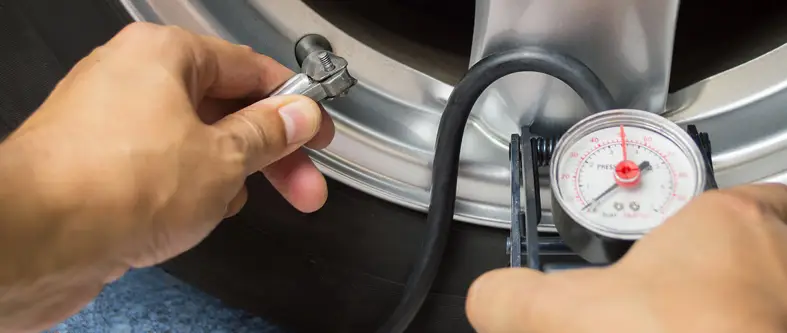
Press the tire pressure gauge firmly onto the valve stem. You should hear a brief hiss of air, but hold the gauge steady to get an accurate reading. If you’re using a digital gauge, the number will display immediately; for analog gauges, the needle will point to the pressure.
Try to take the reading quickly but carefully. A shaky grip or quick removal can cause air to escape and give a false reading. What’s your experience with different types of gauges—digital or analog?
Interpreting The Results
Compare the reading with the recommended tire pressure found in your vehicle’s manual or on the sticker inside the driver’s door. If the pressure is too low, add air until it reaches the right level. If it’s too high, release some air by pressing the valve stem gently.
Remember, correct tire pressure improves fuel efficiency and tire life. Would you guess that even a 5 psi difference can impact your car’s handling? Checking regularly helps you stay safe and saves money.

Credit: www.youtube.com
Maintaining Proper Tire Pressure
Maintaining proper tire pressure is essential for your vehicle’s safety, fuel efficiency, and tire longevity. Tires with too little or too much air can affect how your car handles and wears out your tires faster. You might not notice small changes in pressure, but they can make a big difference over time.
Adjusting Pressure If Needed
After checking your tire pressure with a gauge, compare the reading to your vehicle’s recommended pressure, usually found on a sticker inside the driver’s door or in the owner’s manual. If the pressure is low, add air until it reaches the correct level. If it’s too high, release some air by pressing on the valve stem until you hit the right pressure.
Keep a portable air compressor or visit a gas station with an air pump nearby. It’s easier to adjust pressure right after measuring, so you don’t forget or delay this important step. Have you ever driven on underinflated tires and noticed poor handling or reduced mileage?
Regular Pressure Checks
Tires lose pressure naturally over time, often about one pound per square inch (PSI) per month. Regular checks—at least once a month and before long trips—help you catch pressure drops early. Checking when tires are cold (before driving or after resting for a few hours) gives the most accurate reading.
Set a reminder on your phone or link tire checks to another monthly routine like paying bills. This small habit can save you money and reduce the risk of accidents. When was the last time you checked your tire pressure? If it’s been a while, now’s a great time to start.
Credit: point-s.ca
Frequently Asked Questions
How Do I Use A Tire Pressure Gauge Correctly?
Remove the valve cap, press the gauge onto the valve stem firmly, and read the pressure. Avoid air leaks for accurate results. Check each tire individually for consistent readings.
When Is The Best Time To Check Tire Pressure?
Check tire pressure when tires are cold, ideally before driving or after resting for 3 hours. This ensures accurate readings unaffected by heat expansion.
What Is The Recommended Tire Pressure For My Car?
Refer to your vehicle’s owner manual or the sticker inside the driver’s door. It lists the ideal tire pressure specific to your car model.
How Often Should I Check My Tire Pressure?
Check tire pressure at least once a month and before long trips. Regular checks improve safety, fuel efficiency, and tire lifespan.
Conclusion
Checking tire pressure with a gauge is simple and quick. It helps keep your tires safe and lasts longer. Always check tires when they are cold for best results. Correct pressure improves driving comfort and saves fuel. A small effort can prevent big problems on the road.
Make it a habit to check your tires regularly. Stay safe and enjoy a smooth ride every time.