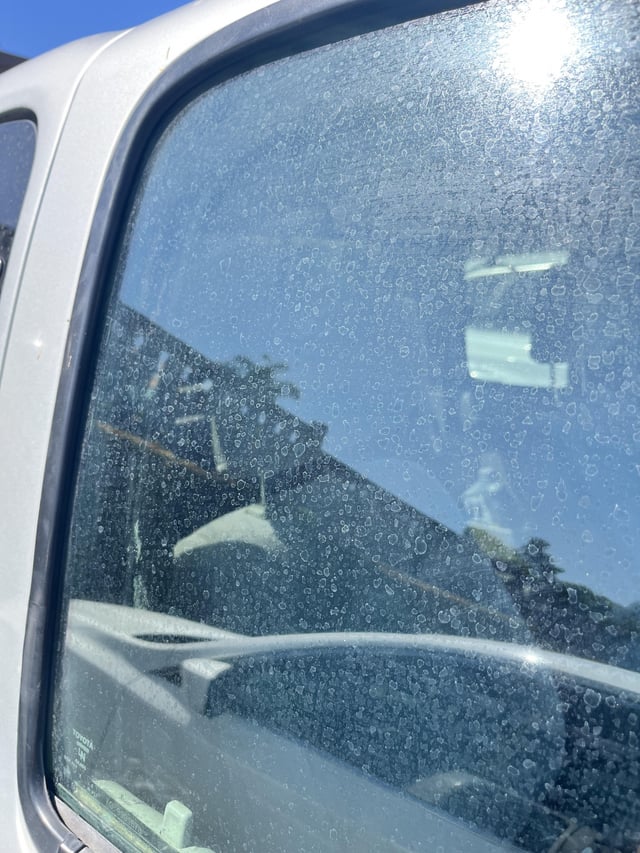
Are hard water stains ruining the shine of your car? You’re not alone—those stubborn white marks can make your vehicle look dull and neglected.
But don’t worry, getting rid of them is easier than you think. You’ll discover simple, effective ways to restore your car’s smooth, glossy finish. Keep reading, and you’ll learn how to protect your car and keep it looking its best every day.

Credit: www.reddit.com
Causes Of Hard Water Stains
Hard water stains on your car can be frustrating to deal with, especially when they seem to appear overnight. Understanding the causes of these stains can help you prevent them and keep your vehicle looking pristine. Let’s break down what actually creates these stubborn marks and where they come from on your car.
Mineral Deposits Explained
Hard water contains high levels of minerals like calcium and magnesium. When water evaporates from your car’s surface, these minerals don’t evaporate with it. Instead, they remain behind, forming visible white or cloudy spots known as hard water stains.
These mineral deposits can build up over time, especially if your car is frequently exposed to sprinklers, rain, or washing with hard water. Have you noticed those spots that just won’t wash away with soap and water? That’s the mineral residue clinging tightly to your paint or glass.
Common Sources On Cars
- Rainwater:It might seem harmless, but rain often contains dissolved minerals picked up from the atmosphere.
- Sprinkler Systems:Water from lawn sprinklers is usually hard and can splash onto your car’s surface.
- Washing with Tap Water:Using hard tap water to wash your car without properly drying it encourages stain formation.
- Parking Near Water Sources:Cars parked under trees that drip water or near fountains can accumulate mineral deposits.
Ever wondered why your windshield or chrome details get those white spots more than the painted areas? Those surfaces attract and show mineral deposits more clearly, making it easier to spot hard water stains.
Diy Cleaning Methods
Removing hard water stains from your car does not require harsh chemicals. Simple DIY cleaning methods can restore your car’s shine quickly. These methods use common household items that are safe and effective. They help break down mineral deposits without damaging the paint.
Try these easy techniques to clean your car at home and keep it looking fresh. Each method targets tough stains and leaves your car spotless.
Vinegar And Water Solution
Mix equal parts of white vinegar and water in a spray bottle. Spray the solution on hard water stains and let it sit for 5 minutes. Vinegar’s acidity helps dissolve mineral deposits. Wipe the area gently with a soft cloth. Rinse with clean water and dry the surface to avoid new stains.
Baking Soda Paste
Create a paste using baking soda and a small amount of water. Apply the paste to the stained areas with a soft sponge. Baking soda acts as a mild abrasive that lifts stains without scratching. Rub gently in circular motions. Rinse thoroughly with water and dry with a microfiber cloth.
Lemon Juice Application
Fresh lemon juice works wonders on hard water stains. Squeeze lemon juice directly onto the stains or use a cloth soaked in lemon juice. Let it sit for 3 to 5 minutes. The natural acid breaks down the mineral buildup. Wipe the surface clean and rinse with water. Dry the car to prevent water spots.
Preventive Measures
Preventing hard water stains on your car saves time and effort. It keeps your vehicle looking shiny and new. Simple habits and protective steps can reduce damage caused by minerals in water. These measures help maintain your car’s paint and glass surfaces.
Regular Washing Tips
Wash your car often to stop mineral buildup. Use clean, soft water if possible. Avoid letting water dry on the surface. Dry the car with a soft microfiber cloth. Wash in the shade to reduce water spots. Use gentle car shampoo, not household detergents.
Protective Coatings
Apply wax or sealant to protect your car’s paint. These coatings create a barrier against water and minerals. Reapply every few months for best results. Ceramic coatings offer long-lasting protection. They make cleaning easier and reduce staining.
Using Water Softeners
Use softened water for washing your car. Water softeners remove minerals that cause stains. Soft water helps rinse your car cleaner. It prevents white spots and streaks. Consider installing a water softener system at home for car washing.

Credit: www.reddit.com

Credit: www.reddit.com
Frequently Asked Questions
How Do I Remove Hard Water Stains From My Car?
Use a mixture of vinegar and water to dissolve stains. Apply with a soft cloth, then rinse thoroughly. Avoid abrasive scrubbers to protect the paint.
What Household Items Clean Hard Water Stains On Cars?
White vinegar, lemon juice, and baking soda effectively break down hard water stains. These natural cleaners are safe for car surfaces and easy to use.
Can Hard Water Stains Damage Car Paint?
Yes, hard water stains can etch and dull paint if left untreated. Regular cleaning prevents permanent damage and maintains your car’s shine.
How Often Should I Clean Hard Water Stains On My Car?
Clean hard water stains as soon as you notice them. Prompt removal prevents buildup and protects your car’s finish from long-term damage.
Conclusion
Hard water stains on your car can be stubborn and ugly. Regular cleaning helps keep your car shiny and smooth. Use gentle products to avoid scratching the paint. Act quickly to prevent stains from setting deep. A clean car looks fresh and well cared for.
Taking small steps often saves you from big problems later. Keep your car spotless and enjoy the drive every day.