
Looking to add extra brightness to your car for night drives or off-road adventures? Hooking up a light bar might seem tricky, but with the right steps, you can do it yourself and save time and money.
In this guide, you’ll learn exactly how to connect your light bar safely and correctly, so it works perfectly every time. Keep reading, and soon you’ll have powerful lighting that makes your drives safer and more enjoyable.
Choosing The Right Light Bar
Choosing the right light bar is key for your car’s lighting needs. The perfect light bar improves visibility and matches your vehicle’s style. Consider several factors before buying a light bar. These include types, power, and size. Understanding these aspects helps you pick the best option for your car.
Types Of Light Bars
Light bars come in different styles. Each type serves a unique purpose. Here are the common types:
- LED Light Bars:Bright, energy-efficient, and long-lasting.
- Halogen Light Bars:Affordable but less bright and short-lived.
- Combination Light Bars:Mix of spot and flood beams for wide coverage.
LED light bars are popular due to their brightness and power saving. Choose a type that fits your driving conditions.
Power And Size Considerations
Power affects how bright the light bar will be. Higher wattage means more light but more battery use. Size impacts where and how you mount the bar on your car. Larger light bars offer wider light spread but may be harder to install.
- Match power with your car’s electrical system capacity.
- Pick a size that fits your vehicle’s design and mounting space.
- Check local laws for size and brightness limits.
Balancing power and size ensures better performance and safety.
Wiring And Mounting Basics
Wiring and mounting a light bar on a car requires careful attention to both electrical connections and physical installation. Proper wiring ensures the light bar functions safely and reliably. Solid mounting keeps the light bar stable during driving and off-road use.
Understanding the basics of tools, materials, and mounting techniques will help you complete the installation smoothly. This section covers the essentials needed to get started.
Gathering Tools And Materials
Start by collecting all necessary tools and parts. Having everything ready saves time and reduces mistakes.
- Light bar with mounting brackets
- Wiring harness with relay and fuse
- Switch for control inside the car
- Wire strippers and crimping tools
- Screwdrivers and wrenches
- Electrical tape and zip ties
- Drill with bits for mounting holes
- Multimeter to check connections
Choose quality materials to prevent electrical issues. Follow the light bar’s instructions closely.
Mounting The Light Bar Securely
Secure mounting prevents damage from vibrations or bumps on the road. Use the brackets that come with the light bar or purchase suitable ones.
Steps to mount properly:
- Pick a flat surface on the vehicle’s roof or bumper
- Mark holes for drilling using the bracket as a guide
- Drill holes carefully to avoid damage to the car
- Attach brackets firmly with bolts and nuts
- Place the light bar on brackets and tighten screws
- Adjust the angle for best light coverage
- Secure all wires away from heat or moving parts
Check the stability by gently shaking the light bar. It should not move or rattle.
Connecting The Electrical System
Connecting the electrical system of your light bar is a critical step that ensures it works safely and efficiently. It’s not just about attaching wires; it’s about creating a reliable circuit that protects your vehicle’s electrical components. Proper connection can prevent voltage drops and potential damage, making your light bar perform at its best every time you switch it on.
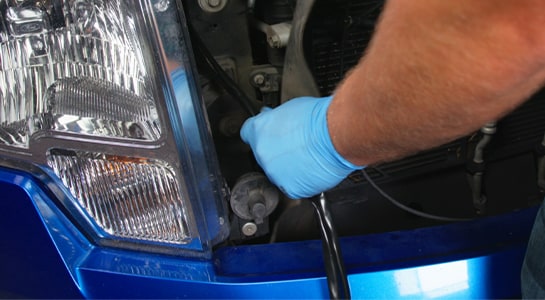
Wiring The Light Bar To The Battery
Start by locating your car’s battery terminals. You want to connect the positive wire from the light bar directly to the positive terminal on the battery. Use a fuse holder with an appropriate fuse rating close to the battery to protect the circuit from power surges.
Next, connect the negative wire to the vehicle’s chassis or the battery’s negative terminal. A solid ground connection is just as important as the positive wire to avoid flickering or dim lighting. Have you checked if your car’s ground points are clean and free from rust? A poor ground can cause frustrating electrical problems.
Using A Switch And Relay
A switch lets you control the light bar from inside your vehicle, while a relay handles the high current the light bar needs without frying the switch. Connect the relay’s coil terminals to the switch and ground, and its power terminals between the battery and the light bar.
Choose a switch rated for the current your light bar will draw. Running the light bar through a relay means the switch only carries a small control current, extending its life and keeping your wiring safe. Think about where you want the switch installed—easy access can make all the difference during nighttime drives.
Testing The Setup
Before sealing everything up, test your connections thoroughly. Turn on the switch and observe the light bar’s brightness and stability. If it flickers or doesn’t turn on, double-check your ground and fuse connections.
Use a multimeter to measure voltage at the light bar terminals. It should be close to your battery voltage. If it’s significantly lower, you might have a loose connection or undersized wiring. Have you ever experienced dim lights due to wiring errors? Catching these issues early saves you from headaches later.

Credit: www.youtube.com
Credit: www.oreillyauto.com
Frequently Asked Questions
How Do I Wire A Light Bar To My Car Battery?
Connect the light bar’s positive wire to the battery’s positive terminal. Attach the negative wire to a suitable ground. Use a relay and fuse for safety. Ensure all connections are secure to prevent shorts and damage.
What Tools Are Needed To Install A Light Bar On A Car?
You need wire strippers, crimpers, a relay, fuse, switch, electrical tape, and mounting brackets. A drill and screwdriver may also be required for mounting. Proper tools ensure a safe and clean installation.
Can I Install A Light Bar Without Professional Help?
Yes, with basic electrical knowledge and proper tools, you can install a light bar yourself. Follow the wiring diagram carefully and ensure all connections are insulated. Always prioritize safety to avoid damage or injury.
Where Should I Mount A Light Bar On My Car?
Mount the light bar on the roof, front bumper, or grille for optimal visibility. Ensure the location is sturdy and does not obstruct your view or legal requirements. Secure the mount tightly to prevent vibrations.
Conclusion
Hooking up a light bar on your car is easier than you think. Follow each step carefully to avoid mistakes. Use the right tools and parts for safety. Double-check all connections before testing the light. A well-installed light bar improves visibility at night.
It also adds a stylish look to your vehicle. Take your time and work patiently for best results. Soon, you will enjoy brighter, safer drives on dark roads. Keep this guide handy for any future light bar installations.