Is your car tire feeling a little flat right now? You don’t need to rush to a mechanic or wait for roadside help.
Knowing how to inflate a car tire at home can save you time, money, and stress. Imagine getting back on the road quickly and safely, all by yourself. In this guide, you’ll discover simple steps and handy tips that anyone can follow.
Ready to take control of your car’s tire pressure and drive with confidence? Let’s get started!
Tools Needed For Inflation
Before you start inflating your car tire at home, it’s important to gather the right tools. Having the proper equipment not only makes the task easier but also ensures your tire gets the correct pressure. Missing out on any essential tool can lead to inaccurate inflation or even damage to your tire.
Choosing The Right Air Compressor
Not all air compressors are the same. A portable, 12-volt air compressor that plugs into your car’s cigarette lighter is ideal for home use. It’s compact, easy to store, and powerful enough to inflate car tires efficiently.
Look for compressors with an automatic shut-off feature to prevent over-inflation. If you live in a colder area, select a model rated for low temperatures to avoid breakdowns. Have you ever tried using a gas-powered compressor in your garage? It’s noisy and overkill for a simple tire inflation.
Using A Tire Pressure Gauge
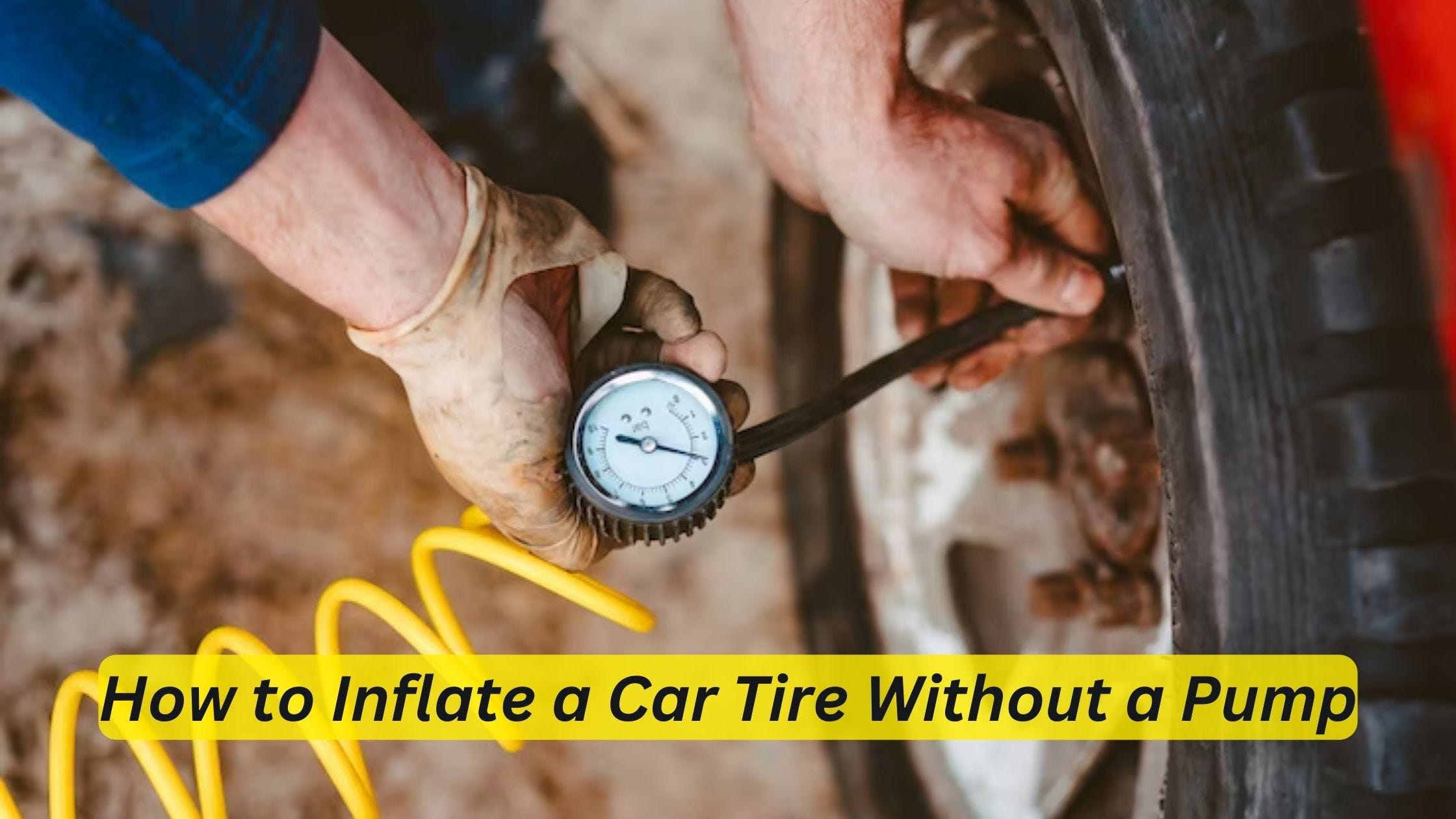
A tire pressure gauge is crucial for checking your tire’s current pressure and ensuring you reach the recommended level. Digital gauges tend to be more accurate and easier to read than analog ones.
Keep your gauge handy every time you inflate your tires. I once relied solely on the compressor’s built-in gauge and ended up under-inflating my tire because it wasn’t precise. A separate, reliable gauge helps you avoid this mistake.
Additional Helpful Items
- Valve stem caps:Always have a few spare caps to replace any that are lost or damaged.
- Flashlight:Inflating tires in low light requires good visibility to check valves and gauge readings.
- Cleaning cloth:Wipe around the valve stem before attaching the compressor to keep dirt out.
- Owner’s manual:Refer to it for the exact tire pressure recommended by your car manufacturer.
Do you keep these items together in a dedicated tire inflation kit? Having everything organized saves time and frustration when you need to inflate your tires quickly.

Credit: www.youtube.com
Step-by-step Inflation Process
Inflating a car tire at home is a simple task with the right steps. Following a clear process ensures safety and proper tire pressure. This section guides you through the key actions to inflate your tire efficiently.
Checking Tire Pressure
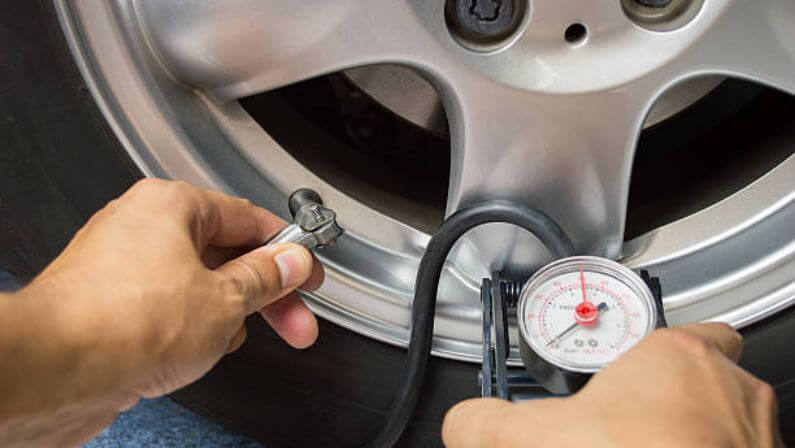
Start by removing the valve cap on the tire. Use a tire pressure gauge to check the current pressure. Compare the reading to the car’s recommended tire pressure. This information is usually found on the driver’s door frame or in the owner’s manual. Note the pressure level to know how much air to add.
Connecting The Air Pump
Choose an air pump suitable for your tire valve type. Attach the pump nozzle firmly onto the valve stem. Make sure there is no air leakage during connection. A tight seal helps the tire inflate quickly and evenly. Turn on the pump and prepare to add air.
Inflating To Recommended Pressure
Inflate the tire slowly and check the pressure often. Stop adding air once the recommended pressure is reached. Overinflating can cause tire damage or poor handling. After inflating, remove the pump nozzle carefully. Replace the valve cap to keep dirt out.
Safety Tips And Maintenance
Keeping your car tires properly inflated is not just about performance; safety plays a huge role. Incorrect tire pressure can lead to accidents, poor fuel efficiency, and quicker tire wear. Understanding key safety tips and maintenance routines will help you keep your tires in top shape and your driving experience smooth.
Avoiding Overinflation
It’s easy to think that more air means better performance, but overinflating your tires can cause serious problems. Excess pressure makes tires more rigid, reducing the contact patch with the road, which affects traction and handling.
Have you ever noticed your ride feeling bumpier than usual after inflating tires? That’s a sign you might have gone too far. Always check the manufacturer’s recommended pressure on the tire sidewall or your car’s manual before inflating.
Regular Tire Pressure Checks
Checking your tire pressure regularly can prevent many issues before they start. Tires naturally lose air over time, especially with temperature changes, so weekly or biweekly checks are a smart habit.
Keep a reliable pressure gauge handy. Digital ones offer quick, accurate readings and are easy to use at home. Making this a routine can save you money and stress down the road.
When To Visit A Professional
Sometimes, a simple inflation at home isn’t enough. If you notice uneven tire wear, persistent pressure loss, or damage like cuts and bulges, it’s time to see a professional.
A mechanic can inspect tires for hidden issues and recommend repairs or replacements. Don’t ignore warning signs; your safety depends on it.

Credit: www.goodhousekeeping.com
Credit: medium.com
Frequently Asked Questions
How Do I Check My Car Tire Pressure At Home?
Use a reliable tire pressure gauge to check pressure. Remove the valve cap, press the gauge on the valve, and read the measurement. Compare it to the recommended PSI found in your car manual or door sticker.
What Tools Are Needed To Inflate A Car Tire?
You need a tire pressure gauge and an air compressor or portable pump. These tools help measure and add air accurately to your tire.
Can I Use A Regular Air Pump For My Car Tires?
Yes, a regular air pump works if it fits the valve and provides enough pressure. Ensure it can reach your tire’s recommended PSI safely.
How Often Should I Inflate Car Tires At Home?
Check and inflate your tires monthly or before long trips. Regular maintenance ensures safety, better fuel efficiency, and longer tire life.
Conclusion
Inflating a car tire at home is simple and saves time. Keep a tire pressure gauge nearby to check levels. Always follow your car’s recommended pressure for safety. Use a reliable air pump and connect it properly. Stop inflating once the correct pressure is reached.
Regular tire checks help improve fuel efficiency and tire life. Taking a few minutes today keeps you safe tomorrow. Try this easy process next time your tire feels low. You can do it yourself, no need to wait for help.