
If you own an RV, you know how important it is to keep it well-maintained. One simple upgrade that can make a big difference is installing vent covers.
These covers protect your vents from rain, debris, and pests, while still allowing fresh air to flow inside. Wondering how to install RV vent covers quickly and correctly? You’re in the right place. This guide will walk you through easy steps that anyone can follow, saving you time and hassle.
By the end, you’ll feel confident to protect your RV vents and enjoy worry-free travels. Keep reading to learn how!
Choosing The Right Vent Cover
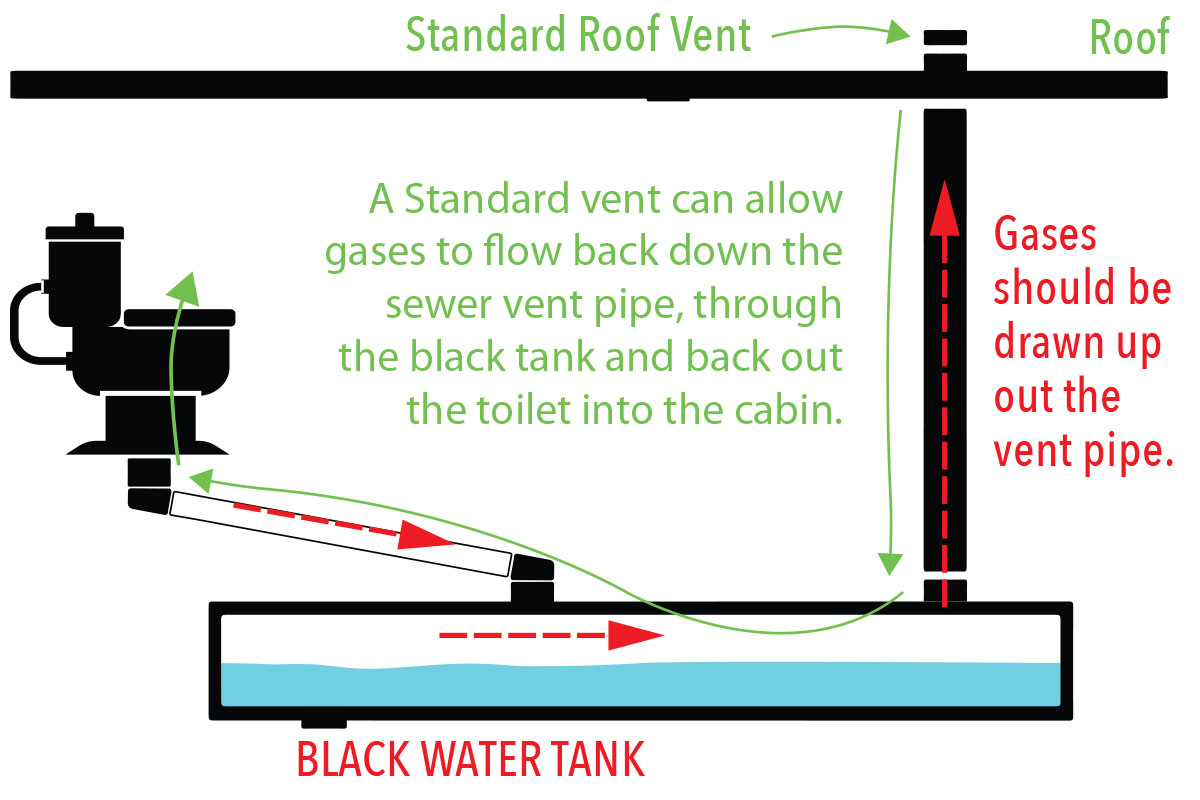
Choosing the right vent cover for your RV is more important than you might think. The right cover protects your RV from rain, debris, and pests, while also allowing proper airflow. Picking a vent cover that fits well and suits your needs can save you time and money down the road.
Types Of Rv Vent Covers
There are several types of RV vent covers available, each designed for different needs. Some vent covers are simple plastic domes that protect vents from rain without blocking airflow. Others come with built-in fans to improve ventilation inside your RV.
Consider whether you want a passive cover or one with a fan. Also, some vent covers have a clear design to let in light, while others are tinted to reduce heat. Think about what features matter most for your travel style and climate.
Material Considerations
Material plays a big role in durability and performance. Most vent covers are made from plastic or acrylic, which are lightweight and resist cracking. However, some high-end covers use stronger UV-resistant plastics that last longer under harsh sun exposure.
Metal vent covers exist too but can be prone to rust unless coated properly. You want a material that won’t fade or warp quickly because replacing covers frequently can become costly. Ask yourself: How often do you travel in extreme weather?
Measuring Your Vents
Accurate measurements ensure a perfect fit for your vent cover. Use a tape measure to get the width and length of your current vent opening, or check the manufacturer’s specs if available. Don’t forget to measure the height of the vent frame too.
Measure twice to avoid buying the wrong size. A vent cover that’s too small won’t protect properly, and one that’s too big may not seal correctly. Getting this right means less hassle when installing and better protection afterward.

Credit: weldtecdesigns.com
Preparing For Installation
Preparing for the installation of RV vent covers is a crucial phase that sets the foundation for a smooth and lasting fit. Taking time to get organized and inspect the area can save you from surprises later on. It also ensures the vent cover performs well and protects your RV from the elements.
Gathering Tools And Supplies
Before you start, make sure you have all the necessary tools and supplies within reach. This usually includes a screwdriver, caulking gun, sealant, cleaning cloths, and the vent cover itself. Having everything ready helps you stay focused and avoid interruptions during installation.
Think about the sealant type that matches your RV’s material—silicone works great for most surfaces. You might also want to keep some gloves handy to protect your hands from sharp edges or sticky sealant.
Cleaning The Vent Area
Cleaning the vent opening thoroughly is essential for a good seal and secure installation. Remove any dirt, dust, old sealant, or debris with a brush or cloth. A clean surface allows the new vent cover to stick properly and prevents leaks.
Consider using a mild detergent if the area is greasy or grimy, then let it dry completely. Have you ever installed something only to find it loose later because the surface wasn’t clean? Avoid that frustration by giving this step the attention it deserves.
Checking For Damage
Inspect the vent opening and surrounding roof area for any cracks, rust, or structural damage. Small issues can turn into bigger problems if you cover them up without repairs. Pay special attention to the edges where the vent cover will sit.
If you spot damage, fix it before proceeding. Use appropriate patching materials or consult a professional if necessary. This check not only ensures a secure fit but also extends the life of your RV roof and vent system.
Step-by-step Installation Guide
Installing RV vent covers might seem straightforward, but a careful approach ensures lasting protection and better ventilation. This guide breaks down the process into clear, manageable actions so you can confidently upgrade your RV’s ventilation system. Each part of the installation has its own importance to prevent leaks and secure the cover firmly.
Removing The Old Vent Cover
Start by inspecting the existing vent cover for screws or fasteners holding it in place. Use a screwdriver to carefully remove all screws, keeping them safe in case you need them later. Gently lift the old cover away, watching for any sealant or adhesive that might require scraping off with a putty knife.
Be cautious not to damage the vent base or surrounding roof area while removing the old cover. If the cover is stuck, applying a little heat with a hairdryer can soften the sealant, making removal easier. Have a bucket or towel ready to catch any debris or water trapped beneath the old cover.
Positioning The New Cover
Place the new vent cover over the vent opening to check the fit before securing it. Align it so that the screw holes match the base, ensuring there are no gaps where water could enter. This step is crucial—you want the cover to sit flush against the roof surface for a tight seal.
Try lowering the cover from different angles if it doesn’t fit perfectly the first time. Sometimes a slight adjustment can prevent future issues with wind noise or water leaks. Have a helper hold the cover steady while you prepare to secure it.
Securing The Cover Properly
Use stainless steel screws to attach the vent cover firmly, as they resist rust and corrosion. Tighten each screw evenly in a diagonal pattern to avoid warping the cover. Stop tightening as soon as the cover feels snug—over-tightening can crack the plastic or damage the roof.
If your vent cover came with new screws, use those instead of the old ones to ensure proper fit and strength. Double-check that all screws are secure but not forced in. Loose screws can cause rattling noise, while overtightened ones can lead to cracks.
Sealing And Weatherproofing
Apply a high-quality RV roof sealant around the vent cover edges to prevent water from seeping in. Use a caulking gun for an even bead and smooth it out with a gloved finger or a putty knife. Pay special attention to screw heads and corners, as these are common leak points.
Let the sealant cure according to the manufacturer’s instructions before exposing the RV to rain or washing it. You might want to test the seal by gently spraying water around the vent and checking inside for any moisture. Proper sealing extends your vent cover’s lifespan and keeps your RV dry.
Credit: www.happycampers.store

Credit: www.amazon.com
Frequently Asked Questions
What Tools Are Needed To Install Rv Vent Covers?
You need a screwdriver, sealant, measuring tape, and cleaning materials. These tools ensure a secure and leak-free vent cover installation.
How Do I Remove Old Rv Vent Covers Safely?
Unscrew all fasteners carefully and clean the surface. Avoid damaging the roof or surrounding seals during removal.
Can I Install Rv Vent Covers Without Professional Help?
Yes, installing vent covers is a simple DIY task. Follow instructions carefully to ensure proper fit and seal.
How Do Rv Vent Covers Improve Ventilation?
They protect vents from rain and debris while allowing air circulation. This helps reduce moisture and odors inside your RV.
Conclusion
Installing RV vent covers protects your RV from rain and debris. It also helps keep the inside air fresh. Follow the steps carefully for a secure fit. Use the right tools and materials to avoid damage. Regular checks keep your vent covers in good shape.
A simple task that makes a big difference. Enjoy your travels with added comfort and peace of mind. Easy to do, worth the effort.