
Changing a tire can feel overwhelming if you don’t know where to start. But what if you had a simple, step-by-step guide that makes the whole process easy and safe?
Knowing how to jack up your car correctly is the first and most important step. You’ll learn exactly how to lift your car with confidence so you can change your tire quickly and get back on the road. Keep reading—your next flat tire won’t stand a chance!

Credit: www.mrclutch.com
Prepare Your Car And Tools
Preparing your car and tools is essential before jacking up a car to change a tire. Proper preparation keeps you safe and makes the process smoother. It involves choosing a safe spot and gathering all the tools needed. This step sets the foundation for a quick and secure tire change.
Find A Safe Location
Stop your car in a flat area away from traffic. Avoid soft ground or slopes to prevent the car from moving. Turn on your hazard lights to alert other drivers. Engage the parking brake to keep the car steady. Place wheel wedges or blocks behind the tires to stop rolling.
Gather Necessary Equipment
Collect all tools before starting. You will need:
- A car jack suitable for your vehicle
- A lug wrench to loosen and tighten lug nuts
- The spare tire in good condition
- Wheel wedges or blocks for safety
- Gloves to protect your hands
- A flashlight if working in low light
Keep these tools close to your car. Check the car manual for specific jack points and tool instructions. This preparation helps change the tire quickly and safely.
Position The Jack Correctly
Positioning the jack correctly is a key step in safely lifting your car to change a tire. If you place the jack in the wrong spot, you risk damaging your vehicle or causing the jack to slip. Taking a moment to find the right position will make the entire process smoother and safer.
Locate The Jack Points
Every car has specific jack points designed to handle the weight without damage. These spots are usually reinforced and marked in your owner’s manual or near the car’s frame.
Look for small notches or metal tabs along the side of your car, close to the tires. If you can’t find them, check under the car near the wheel you plan to lift.
Have you ever tried to lift a car only to have the jack slip off? Finding the exact jack point prevents that dangerous situation and protects your car’s body.
Set Up The Jack Securely
Once you’ve found the right jack point, place the jack firmly on a flat, stable surface. Uneven ground can cause the jack to tilt or fall, which is risky.
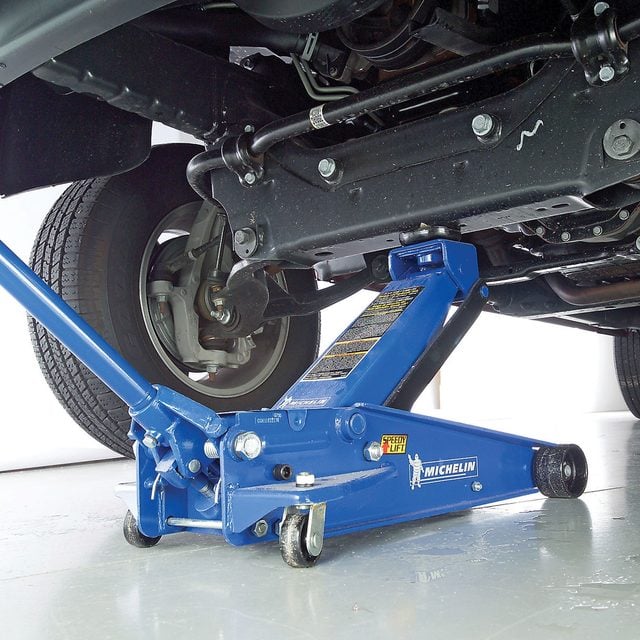
Make sure the jack’s saddle—the part that touches the car—is aligned perfectly with the jack point. If it’s off-center, the car might slip when lifted.
Apply steady pressure to the jack handle. Avoid sudden movements that could shift the jack. Does your jack have a locking mechanism? Engage it to keep the jack stable during lifting.
Lift The Car And Change The Tire
Lifting your car and changing a tire might seem intimidating, but with the right approach, you can do it safely and efficiently. Knowing exactly how to handle each step gives you confidence and keeps you protected. Let’s focus on raising the vehicle, swapping the tire, and lowering the car back down carefully.
Raise The Vehicle Safely
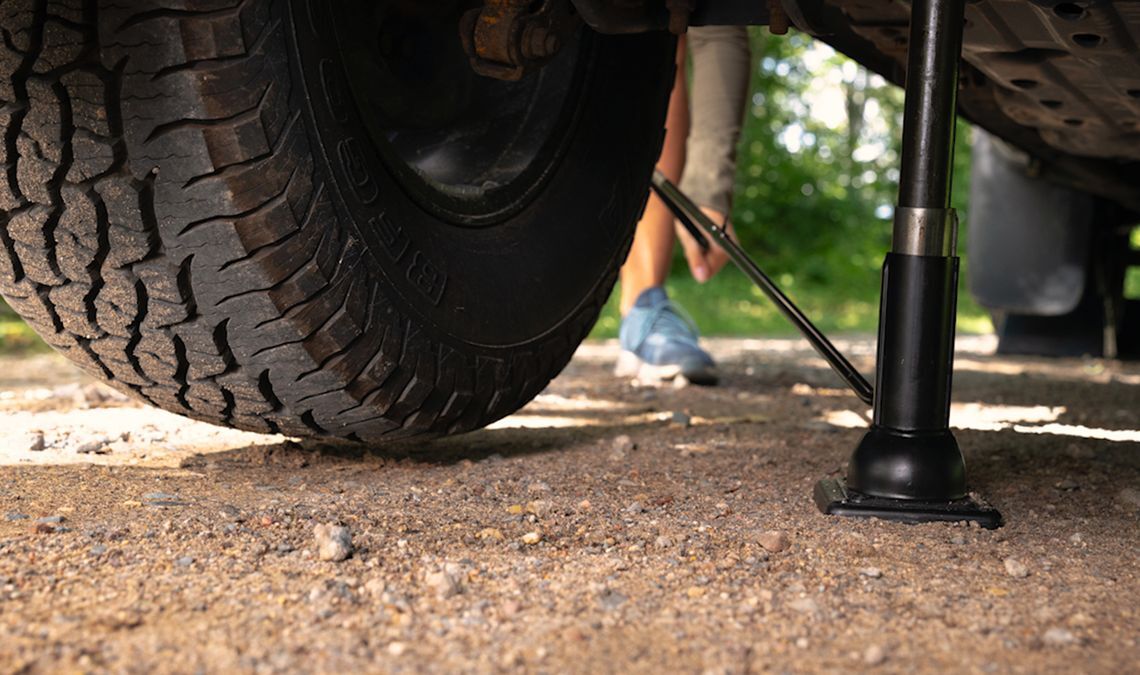
Before you start lifting, make sure your car is on a flat, stable surface. Engage the parking brake and place wheel wedges behind the wheels opposite to the one you’re lifting to prevent any movement.
Locate the vehicle’s jacking point, usually marked in your owner’s manual or visible near the frame. Position the jack firmly under this spot to avoid damage and ensure stability.
Slowly pump or crank the jack to lift the car just enough to clear the flat tire. Watch the car closely as it rises—if it shifts or feels unstable, lower it and reposition your jack.
Remove And Replace The Tire
Once the car is lifted, loosen and remove the lug nuts by turning them counterclockwise. Keep them in a safe spot so you don’t lose any.
Carefully pull the flat tire straight off the hub. Sometimes it might stick due to rust or dirt; a gentle wiggle usually helps loosen it.
Align the spare tire with the wheel bolts and push it onto the hub as far as it will go. Screw the lug nuts back on by hand to keep the tire in place before tightening them with the wrench.
Lower The Car Carefully
Slowly lower the car by turning the jack handle in the opposite direction. Keep an eye on the tire to ensure it stays properly seated as the car comes down.
Once the tire touches the ground, tighten the lug nuts firmly in a crisscross pattern. This ensures even pressure and a secure fit.
After the car is fully lowered and the jack is removed, double-check the lug nuts for tightness. Have you ever thought about how many accidents happen because of loose tires? Taking this extra moment could save you from trouble down the road.
Credit: www.bfgoodrichtires.com
Credit: www.familyhandyman.com
Frequently Asked Questions
How Do I Safely Jack Up A Car To Change A Tire?
First, park on a flat surface and engage the parking brake. Place wheel chocks opposite the tire to lift. Locate the car’s jack point near the tire. Use a sturdy jack and lift the car slowly until the tire is off the ground.
What Tools Do I Need To Jack Up A Car?
You need a car jack, a lug wrench, wheel chocks, and a spare tire. Some cars include a jack and lug wrench in the trunk. Always use the correct jack type for your vehicle to ensure safety.
Where Is The Correct Jack Point On A Car?
The jack point is usually near the tire on the frame or pinch weld. Check your vehicle’s manual for exact locations. Using the wrong point can damage the car or cause the jack to slip.
Can I Jack Up A Car On Any Surface?
No, always jack up a car on a flat, stable surface. Avoid soft ground, slopes, or uneven areas. Using a jack on unstable surfaces risks the car falling and causing injury.
Conclusion
Changing a tire starts with safely jacking up your car. Always place the jack under the correct spot to avoid damage. Lift the car slowly and keep it steady. Once the car is raised, remove the tire carefully and replace it with the spare.
Lower the car gently after the new tire is secure. Practicing this process helps build confidence. Stay calm, follow each step, and you can handle a flat tire easily. Safety matters most, so never rush the job. Simple tools and clear steps make tire changes manageable for everyone.